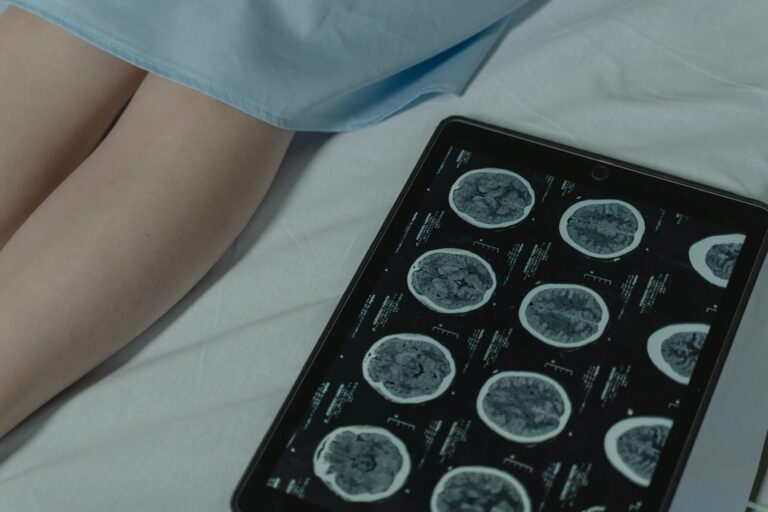
Interviewing Experts in Dementia Research and Care
Dementia is a complex condition that affects millions of people worldwide. It not only impacts those living with the disease but also their families and caregivers. To better understand dementia and improve care, researchers often conduct interviews with experts in the field. These interviews provide valuable insights into the latest research, challenges in care, and potential solutions.
### Why Interview Experts?
Experts in dementia research and care include scientists, healthcare professionals, and individuals with lived experience. They offer unique perspectives on the latest developments in dementia research, current challenges in healthcare systems, and innovative approaches to care. By listening to these experts, researchers can identify gaps in current care practices and develop more effective strategies for supporting people with dementia.
### How Interviews Are Conducted
Interviews with experts typically involve in-depth discussions about specific topics related to dementia. These might include the latest research findings, barriers in healthcare systems, or innovative care practices. Researchers often use structured questionnaires to guide the conversations, ensuring that all relevant areas are covered. The interviews are usually recorded to ensure accuracy and may be transcribed for further analysis.
### Types of Experts Interviewed
1. **Researchers and Scientists**: These individuals provide insights into the latest scientific discoveries and potential treatments for dementia. They discuss advances in fields like genetics, neurology, and pharmacology.
2. **Healthcare Professionals**: Doctors, nurses, and other healthcare workers share their experiences with diagnosing and managing dementia. They highlight challenges in providing care and suggest improvements to healthcare systems.
3. **People with Dementia and Their Caregivers**: Including individuals with dementia and their caregivers in interviews is crucial. They offer firsthand accounts of living with the condition, highlighting personal challenges and suggesting