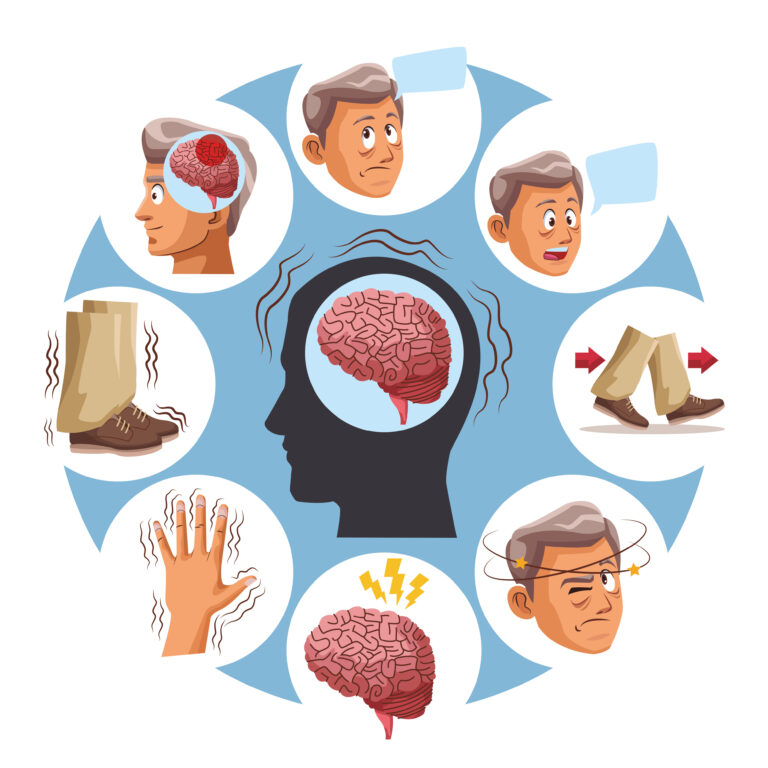
Dementia is a progressive brain disorder that affects millions of people worldwide. It is a condition that primarily affects memory, thinking, and behavior and can greatly impact an individual’s daily life. As the disease progresses, it can become increasingly challenging for caregivers to track and manage their loved one’s symptoms. However, with the advancements in technology, there are now various tools and resources available to help caregivers monitor and keep track of dementia symptoms. In this article, we will explore how technology can be used to track dementia symptoms and improve the quality of life for both the patient and caregiver.
1. Wearable Devices:
Wearable devices such as smartwatches and fitness bands have become popular in recent years. These devices can also be utilized to track dementia symptoms. There are specific wearables designed for seniors that can monitor vital signs, activity levels, sleep patterns, and even location. These devices can provide real-time data and alerts to caregivers, giving them a better understanding of the individual’s daily routine and any changes in behavior patterns.
The use of wearable devices can also help track medication adherence, which is crucial for individuals with dementia who often struggle with remembering to take their medications. Some devices have built-in reminders and alarms to ensure that the person takes their medication at the prescribed time.
2. Apps for Daily Routine Tracking:
There are many mobile applications available that can help track daily routines and activities. These apps can be used by both the caregiver and the person with dementia. They allow the caregiver to input tasks and appointments into the app, which then sends reminders to the individual with dementia. For example, an app can remind them when it’s time to take their medication, go for a walk, or attend a doctor’s appointment.
Additionally, some apps have features that allow caregivers to log symptoms such as changes in mood or behavior, which can then be shared with healthcare professionals during appointments. This information can help doctors make more accurate diagnoses and create personalized care plans for their patients.
3. Virtual Reality for Memory Improvement:
Virtual reality (VR) technology has been gaining traction in the healthcare industry, and it has also shown promising results in improving memory function in individuals with dementia. VR can recreate familiar settings from the past, such as a childhood home or a favorite vacation spot, to evoke memories. This technology can trigger positive emotions and reduce anxiety in individuals with dementia, ultimately improving their overall well-being.
4. Voice-Activated Assistants:
Voice-activated assistants, such as Amazon’s Alexa or Google Home, can be beneficial for individuals with dementia. These devices can be used to set reminders, play music or audiobooks, and answer questions. They can also assist in daily tasks like setting alarms or making phone calls. These assistants can be programmed to respond to specific voice commands, which can make it easier for those with memory loss to interact with them.
5. GPS Tracking Devices:
Individuals with dementia have an increased risk of wandering and getting lost, which can be frightening for both the patient and caregivers. GPS tracking devices can help prevent this by providing real-time location updates. These devices can be attached to clothing or worn as a bracelet or necklace, and if the person wanders off, their location can be easily tracked using a smartphone or computer.
6. Monitoring Systems for Safety:
Various monitoring systems can be installed in the individual’s home to ensure their safety and provide peace of mind for caregivers. These systems use sensors to track movement and activity levels, allowing caregivers to keep an eye on their loved one’s daily routine. Some systems also have fall detection capabilities, which immediately alert caregivers if a fall occurs.
7. Telehealth Services:
Telehealth services have become increasingly popular during the COVID-19 pandemic, but they have also proven to be valuable for individuals with dementia. These services allow patients to consult with healthcare professionals remotely, eliminating the need for them to visit a doctor’s office. This can be especially beneficial for those with mobility issues or difficulty leaving the house. Telehealth appointments can also be scheduled as needed, reducing unnecessary trips to a doctor’s office.
In conclusion, technology has revolutionized the way we can track and manage dementia symptoms. The use of wearable devices, apps, VR, voice-activated assistants, GPS tracking, monitoring systems, and telehealth services can greatly improve the quality of life for both individuals with dementia and their caregivers. These technologies provide valuable information to healthcare professionals, allowing for more personalized care plans and improved outcomes for those living with dementia. As technology continues to advance, it is essential to stay informed about the latest tools and resources available to support individuals with dementia and their caregivers.