Creating a pampering self-care day for caregivers is a wonderful way to recharge and nurture your well-being. Caregiving can be demanding, often leaving little time to focus on yourself, but dedicating a day just for you can make a big difference in your physical, mental, and emotional health.
Start by setting aside uninterrupted time where you won’t have to attend to caregiving duties. Choose a quiet space where you feel comfortable and relaxed. Begin the day with gentle movement—this could be stretching or a slow walk outside—to awaken your body without strain.
Next, treat yourself to nourishing food that feels like comfort but also fuels your energy. Preparing something fresh and wholesome can be part of the ritual itself—a mindful activity that connects you with caring for yourself as much as others.
Incorporate moments of calm through meditation or deep breathing exercises. Even five minutes of focused breathing can help clear your mind and reduce stress. Journaling is another powerful tool; writing down thoughts or feelings allows you to process emotions and gain clarity.
Pampering might also include simple pleasures like soaking in a warm bath infused with calming scents such as lavender or eucalyptus. If possible, add soothing music or soft lighting to create an atmosphere of peace.
Don’t forget the power of connection—even on this self-care day—by scheduling brief calls with supportive friends or joining an online caregiver support group later in the day if it feels right for you. Sharing experiences reminds you that you’re not alone in this journey.
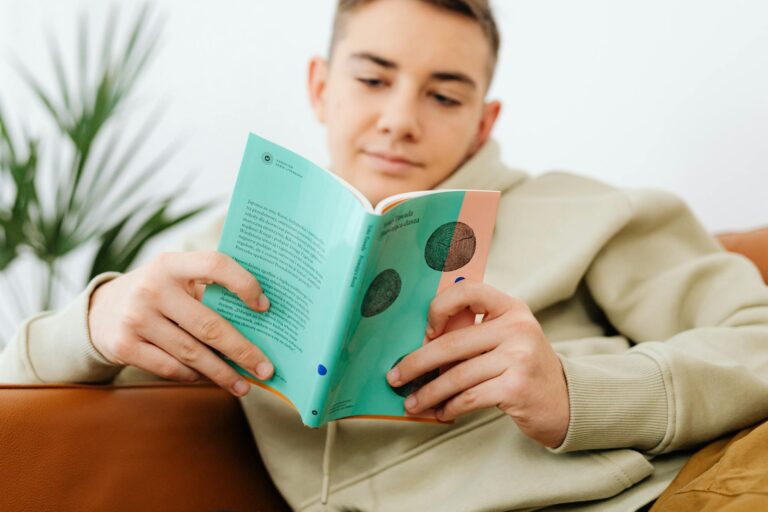
Finally, end your self-care day by doing something purely joyful: reading a favorite book, watching an uplifting movie, gardening, or simply sitting outside enjoying nature’s beauty.
This kind of intentional pause helps caregivers restore their energy reserves so they can continue providing care without losing sight of their own needs. Taking these steps regularly builds resilience against burnout while honoring the vital role caregivers play—not only in others’ lives but also in their own well-being.