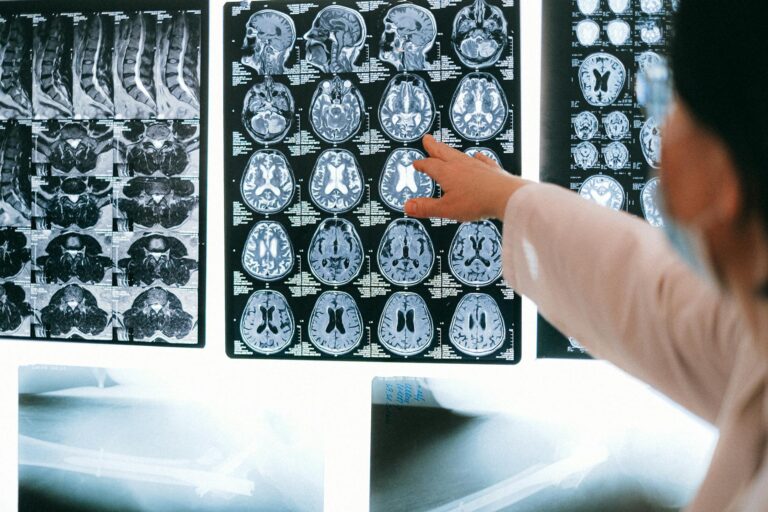
Caring for a dementia patient who experiences paranoia can be deeply challenging, but understanding the nature of their paranoia and responding with patience, empathy, and practical strategies can make a significant difference in their well-being and your relationship with them.
Paranoia in dementia often manifests as suspiciousness or mistrust toward caregivers, family members, or even strangers. The person may wrongly believe others intend to harm them, steal from them, or deceive them. These false beliefs arise because dementia affects brain areas responsible for perception and reasoning. The experience is very real to the person living with dementia—even if it seems unfounded to you—and this can cause fear, anxiety, agitation, or aggression.
To cope effectively with a dementia patient’s paranoia:
**1. Recognize that paranoia is part of the illness:** It’s important to remember that paranoid thoughts are symptoms caused by changes in the brain due to dementia. They are not deliberate attempts at manipulation or rudeness but expressions of confusion and fear.
**2. Stay calm and reassuring:** When your loved one expresses paranoid fears—such as accusing you of stealing—respond gently without arguing or trying to logically disprove their belief. Instead say things like “I’m here to help you” or “You’re safe.” Your calm presence helps reduce their anxiety.
**3. Validate feelings rather than facts:** Even if what they say isn’t true factually (e.g., “Someone took my money”), acknowledge how they feel (“That must be upsetting”) instead of contradicting them directly. This approach lowers defensiveness.
**4. Identify triggers:** Paranoia may worsen due to unmet needs like pain, hunger, fatigue; environmental factors such as noise or clutter; medication side effects; infections; sleep deprivation; or unfamiliar surroundings. Observing when paranoia spikes helps you address root causes before behaviors escalate.
**5. Simplify communication:** Use short sentences spoken slowly and clearly since cognitive decline makes complex conversations difficult during paranoid episodes.
**6. Maintain routine:** Predictability reduces confusion which can fuel paranoia by providing structure through consistent daily activities at familiar times in familiar places.
**7. Create a safe environment:** Remove anything that might provoke suspicion (e.g., hiding valuables where they might look for stolen items) while ensuring safety features like good lighting reduce shadows that could frighten someone prone to misperceptions.
**8. Redirect attention gently:** If paranoid thoughts become overwhelming for your loved one try redirecting focus onto something pleasant—a favorite hobby like looking at photos—or engage them in simple tasks requiring concentration but not frustration.
**9. Avoid confrontation over delusions:** Trying to convince someone firmly that their delusion is false often increases distress rather than resolving it because reasoning skills are impaired by disease progression.
**10.Use distraction techniques carefully:** Sometimes changing scenery briefly—going outside together—or playing soothing music helps ease tension caused by paranoid thinking without direct confrontation about fears themselves.
Beyond these immediate coping strategies:
– **Monitor health closely**, since infections (like urinary tract infections), dehydration, pain from arthritis etc., often worsen behavioral symptoms including paranoia.
– **Ensure adequate sleep**, as poor sleep quality exacerbates cognitive symptoms including hallucinations and suspiciousness.
– **Consult healthcare providers about medications**, since some drugs used for other conditions may increase confusion/paranoia while certain antipsychotic medications might be prescribed cautiously when non-drug approaches fail.
– **Seek support yourself**, because caring for someone experiencing intense behavioral changes takes emotional strength — caregiver burnout is common without respite care options or counseling resources available.
Understanding why people with dementia develop paranoia also helps: Their brains struggle processing reality accurately due partly to memory loss combined with impaired judgment leading easily into fearful misinterpretations of everyday events around them — such as mistaking a visitor’s friendly gesture as threatening behavior because facial recognition fails intermittently causing distrust even toward close family members sometimes mistaken for strangers altogether during advanced stages of illness.
Patience becomes essential when dealing repeatedly day after day with accusations rooted no