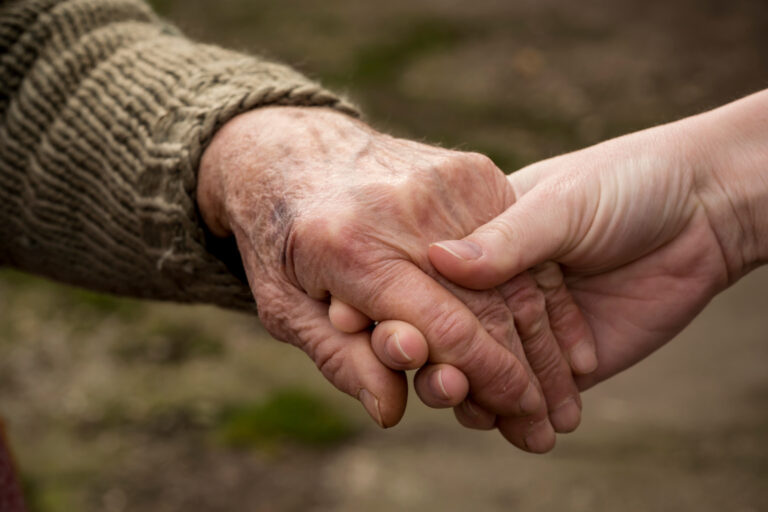
Building a support plan for someone with brain trauma involves understanding their unique needs and creating a structured approach to help them recover and manage daily life. Brain trauma, or traumatic brain injury (TBI), can cause a wide range of physical, cognitive, emotional, and social challenges, so a personalized plan is essential.
Start by gathering detailed information about the person’s injury, including medical history, current symptoms, medications, and any treatments they are receiving. This helps identify the areas where support is most needed. It is important to involve healthcare professionals such as neurologists, rehabilitation therapists, and primary care providers who specialize in brain injury to guide the plan based on evidence-based practices[1][3].
Next, assess the person’s cognitive and physical abilities. Cognitive rehabilitation therapy (CRT) is often used to improve memory, attention, problem-solving, and other mental functions. This therapy is goal-oriented and tailored to the individual’s specific difficulties[2]. Physical therapy, occupational therapy, and speech therapy may also be necessary depending on the injury’s effects.
Include strategies to manage symptoms such as headaches, dizziness, fatigue, anxiety, and depression. Treatments may involve medications, controlled physical activity, psychotherapy, and specialized therapies like vestibular or ocular therapy for balance and vision problems[3]. Early intervention and symptom-based treatment improve recovery outcomes.
Social and environmental factors play a crucial role in recovery. The support plan should address social determinants of health such as access to transportation, housing, food, and financial resources. Screening for these factors helps prevent barriers that could hinder recovery[5]. Emotional support from family, friends, and support groups is also vital.
Set clear, achievable goals with the person and their care team. These goals should focus on improving independence, communication, mobility, and quality of life. Regular follow-up and adjustments to the plan are necessary as the person’s condition changes over time.
Finally, educate the person and their caregivers about brain trauma, expected symptoms, and coping strategies. Providing resources and connecting them to community organizations or brain injury associations can offer ongoing support and guidance[7][9].
Sources
https://www.miragenews.com/new-guideline-sets-standard-for-adult-tbi-1576975/
https://www.nationalacademies.org/publications/13220
https://www.buffalo.edu/pss/news-home/gen_news.host.html/content/shared/university/news/ub-reporter-articles/stories/2025/12/leddy-editorial-concussion-primary-care-guidelines.detail.html
https://sanantonioreport.org/concussion-ut-health-tbi-traumatic-brain-injury-new-standards/
https://www.braininjurycolorado.org
https://www.headway.org.uk