**The Hidden Crisis Behind TikTok’s “Brain Fog” Trend**
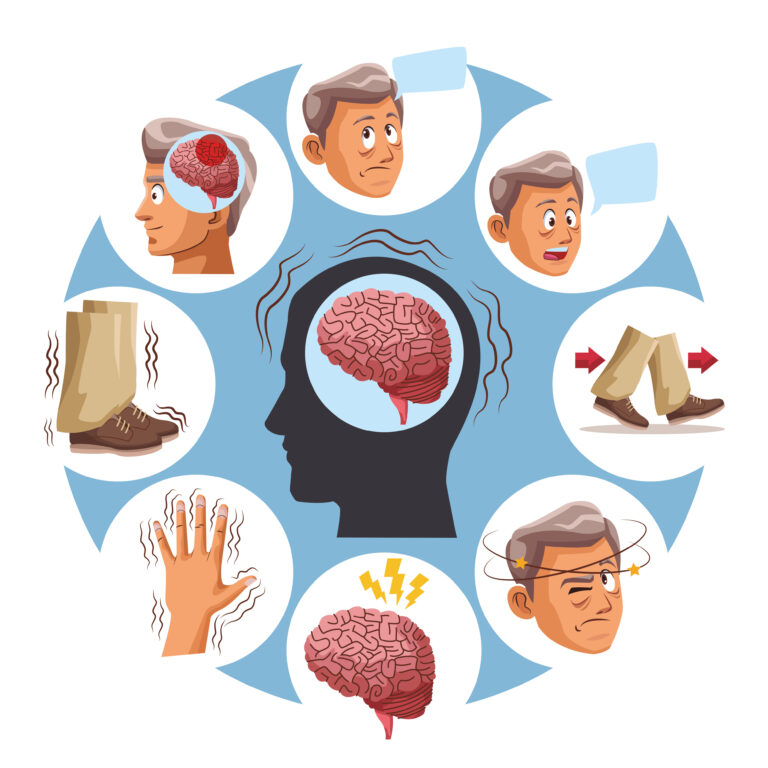
In recent months, a new trend has been making waves on TikTok: “brain fog.” This term describes a range of cognitive symptoms, including difficulty concentrating, forgetfulness, and trouble finding words. At first glance, it might seem like just another social media fad. However, the reality is much more complex. The rise of “brain fog” on TikTok is actually a reflection of a global cognitive crisis that affects millions of people.
### What is Brain Fog?
Brain fog is not just a vague term; it’s a real condition that can be caused by various factors. These include diet, mental health, and even certain medical conditions. For instance, research has shown that consuming high amounts of junk food can lead to brain fog. This is because junk food often lacks essential nutrients that the brain needs to function properly[1].
### The Mental Health Connection
Mental health is another significant factor in brain fog. Conditions like depression and ADHD can cause cognitive symptoms that are often described as brain fog. For example, people with ADHD might experience a constant barrage of thoughts, making it hard to focus[3]. Similarly, major depressive disorder can lead to brain fog due to the impact it has on cognitive function[4].
### The Global Perspective
The global risks report for 2025 highlights several key concerns that could exacerbate the brain fog issue. These include extreme weather events, societal polarization, and the spread of misinformation. These factors can contribute to increased stress levels and decreased mental well-being, both of which are linked to brain fog[2].
### Prioritizing Brain Health
The recent focus on brain health at the World Economic Forum in Davos underscores the importance of addressing this issue. Brain health is no longer just a personal concern but a global priority. Governments and organizations are recognizing the need to invest in brain health to foster a more productive and resilient society. This includes addressing the economic impact of brain disorders and exploring ways to unlock the potential of brain health for economic growth[5].
### Conclusion
The “brain fog” trend on TikTok might seem like a minor phenomenon, but it hides a deeper issue. It reflects a global cognitive crisis that is influenced by diet, mental health, and broader societal factors. By understanding the causes of brain fog and prioritizing brain health, we can take steps towards a more resilient and productive society. This is not just about individual well-being; it’s about addressing a critical challenge that affects us all.