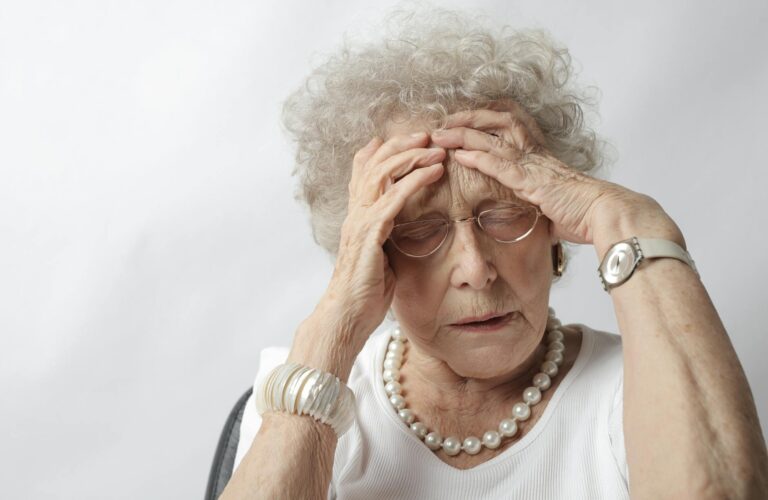
Pain often acts as a spark that sets off changes in how people behave, feel, and act day to day. When pain hits, it can lead to emotional ups and downs, trouble sleeping, and habits that make things worse over time.
Think about someone dealing with ongoing pain, like in the face of the trigeminal nerve, a condition called trigeminal neuralgia. Here, sharp pain attacks can happen often, especially if multiple nerve branches are involved or if attacks come frequently. This pain does not just hurt physically. It stirs up strong emotions. People might feel more anxious or down, with studies showing these issues affect up to 30 to 60 percent of those with the condition. The more widespread or intense the pain, the higher the emotional strain.
This emotional shift creates a loop. Pain lowers a person’s ability to handle feelings, which then makes the pain feel even worse. For example, during a sudden pain flare, someone might struggle to calm their mind. Thoughts like “this will never end” or worst-case fears take over, a pattern known as catastrophizing. These thoughts keep the stress going and make it harder to manage daily tasks.
Sleep takes a hit too. Frequent pain wakes people up or stops them from falling asleep in the first place. Poor rest builds more fatigue, worry, and low mood, which feeds back into worse pain tolerance. In one group of patients, those with pain spread across both sides of the face or with a history of treatments had the toughest time sleeping well.
Behavior changes follow close behind. Someone in pain might pull away from friends or skip work to avoid triggers. They could get irritable, snap at loved ones, or stop hobbies they once enjoyed. Anxiety might lead to constant checking for pain signs, while depression brings tiredness and less movement. In chest pain cases linked to stress, these feelings start a chain that leads to exhaustion from overthinking.
Even when pain has no clear body cause, people might face doubt from others, adding shame or withdrawal to their behaviors. Stressful events or unmet needs amplify this, turning physical hurt into deep emotional pain that shows up as avoidance or anger.
Nursing approaches that target these risks, like tailored plans for pain frequency or emotional support, help break the cycle. Patients stick better to care and feel more satisfied when pain, mood, and sleep improve together.
Sources
https://www.frontiersin.org/journals/neurology/articles/10.3389/fneur.2025.1681364/full
https://www.droracle.ai/articles/610811/what-is-the-nature-of-emotional-pain-experienced-by
https://onlinelibrary.wiley.com/doi/10.1002/ejp.70204?af=R
https://www.dovepress.com/a-study-on-the-association-between-risk-factors-and-psychosocial-facto-peer-reviewed-fulltext-article-JPR
https://www.tandfonline.com/doi/full/10.1080/24740527.2025.2583909?src=