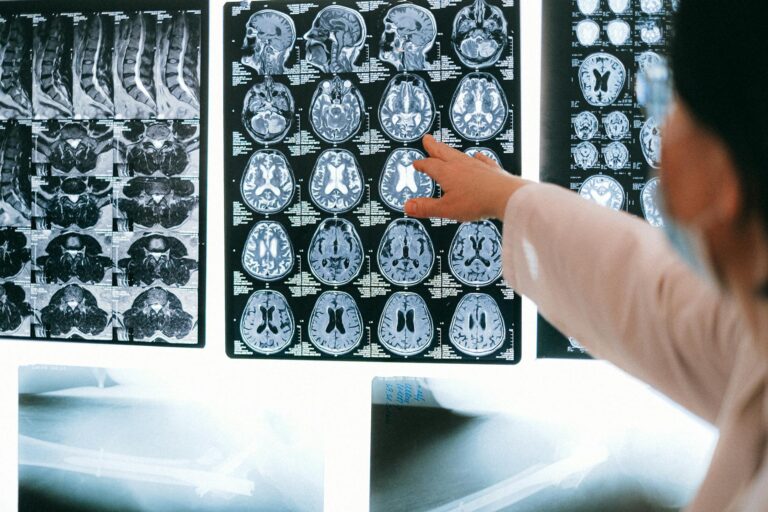
Menopause brain fog and Alzheimer’s disease both involve cognitive difficulties, but they differ significantly in cause, nature, progression, and prognosis. Understanding these differences is important to avoid unnecessary alarm and to seek appropriate care.
**Menopause brain fog** is a temporary, reversible condition linked primarily to hormonal changes, especially fluctuations and declines in estrogen during perimenopause and menopause. Estrogen plays a key role in brain function, influencing memory, concentration, mood, and clarity of thought. When estrogen levels drop, neurotransmitter activity can be disrupted, blood flow to the brain may decrease, and sleep quality often suffers. These factors combine to produce symptoms such as forgetfulness, difficulty focusing, mental fatigue, and a general feeling of “fuzziness” or clouded thinking. This fog is often accompanied by other menopause symptoms like hot flashes, night sweats, anxiety, and mood swings. Importantly, menopause brain fog tends to fluctuate and improve over time, especially after menopause stabilizes and hormone levels settle. It does not progressively worsen or cause permanent brain damage.
In contrast, **Alzheimer’s disease** is a chronic, progressive neurodegenerative disorder characterized by irreversible brain cell damage and decline in cognitive function. It primarily affects memory, reasoning, language, and the ability to perform everyday tasks. Alzheimer’s is caused by abnormal protein deposits in the brain, such as beta-amyloid plaques and tau tangles, which disrupt neural communication and lead to cell death. Symptoms start subtly but worsen steadily over years, eventually leading to severe memory loss, confusion, disorientation, and loss of independence. Unlike menopause brain fog, Alzheimer’s does not fluctuate or improve spontaneously. It requires medical diagnosis and management, and currently has no cure.
Here are key points that highlight how menopause brain fog differs from Alzheimer’s:
– **Cause**: Menopause brain fog is caused by hormonal fluctuations, mainly estrogen decline; Alzheimer’s is caused by neurodegenerative changes and abnormal brain proteins.
– **Onset and progression**: Menopause brain fog usually begins in midlife during perimenopause and is temporary; Alzheimer’s typically begins later in life and progressively worsens.
– **Symptoms**: Menopause brain fog involves mild forgetfulness, difficulty concentrating, and mental fatigue; Alzheimer’s involves significant memory loss, confusion, impaired judgment, and language difficulties.
– **Duration**: Menopause brain fog fluctuates and often improves or resolves after menopause; Alzheimer’s symptoms steadily worsen without remission.
– **Impact on daily life**: Menopause brain fog may cause frustration and reduced mental sharpness but usually does not impair daily functioning severely; Alzheimer’s leads to progressive loss of independence.
– **Sleep and mood**: Menopause brain fog is often linked to sleep disturbances and mood changes like anxiety or irritability; Alzheimer’s may also affect sleep and mood but as part of broader cognitive decline.
– **Reversibility**: Menopause brain fog is reversible with time and sometimes lifestyle changes or hormone therapy; Alzheimer’s is irreversible.
– **Diagnosis**: Menopause brain fog is diagnosed based on symptoms and menopausal status; Alzheimer’s requires clinical evaluation, cognitive testing, and sometimes brain imaging.
Women experiencing brain fog during midlife often worry it might be early Alzheimer’s, but the presence of other menopause symptoms (hot flashes, irregular periods, night sweats) and the timing around menopause strongly suggest menopause brain fog. Improving sleep, managing stress, maintaining a healthy diet, and sometimes hormone therapy can help reduce menopause-related cognitive symptoms.
In summary, menopause brain fog is a common, temporary, hormone-related cognitive cloudiness that differs fundamentally from the progressive, degenerative cognitive decline seen in Alzheimer’s disease. Recognizing these differences helps guide appropriate reassurance, management, and when necessary, further medical evaluation.