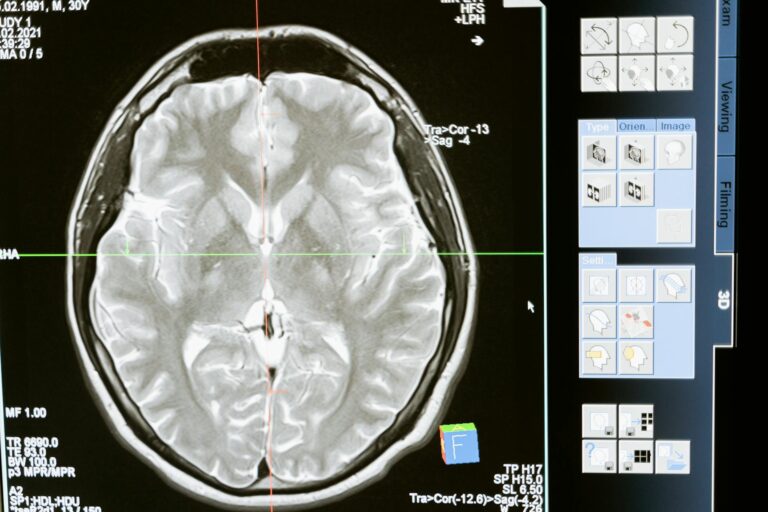
The human brain burns about 300 to 400 calories per day, which accounts for roughly 20 percent of the body’s total energy use. Although the brain only makes up about 2 percent of body weight, it requires a significant amount of energy to maintain its functions such as thinking, memory, and controlling bodily processes. This energy is mostly used to power neurons and support the transmission of signals between them.
When you engage in activities like studying or intense mental work, the brain’s calorie consumption can increase slightly because of heightened metabolic activity. This is due to increased neurotransmitter activity and the brain’s need to process and store information, which requires more energy. However, the increase is not as large as the calories burned during physical exercise. Proper nutrition, especially protein intake, supports this brain activity by providing amino acids needed for neurotransmitter production.
The brain’s energy comes primarily from glucose, a type of sugar that circulates in the blood. The brain is very sensitive to changes in glucose levels, which is why maintaining a balanced diet is important for cognitive function. While mental effort does burn calories, the difference in calorie burn between resting and active thinking is relatively small compared to physical exercise.
In summary, the brain is a high-energy organ that consumes a significant portion of daily calories to function properly, with slight increases during intense mental tasks. Nutrition plays a key role in supporting this energy demand.
Sources
https://fordhamobserver.com/81210/recent/sports-and-health/science-says-studying-burns-calories/
https://www.sciencedaily.com/releases/2025/10/251020092824.htm
https://medicalxpress.com/news/2025-11-science-weight-loss-brain-wired.html