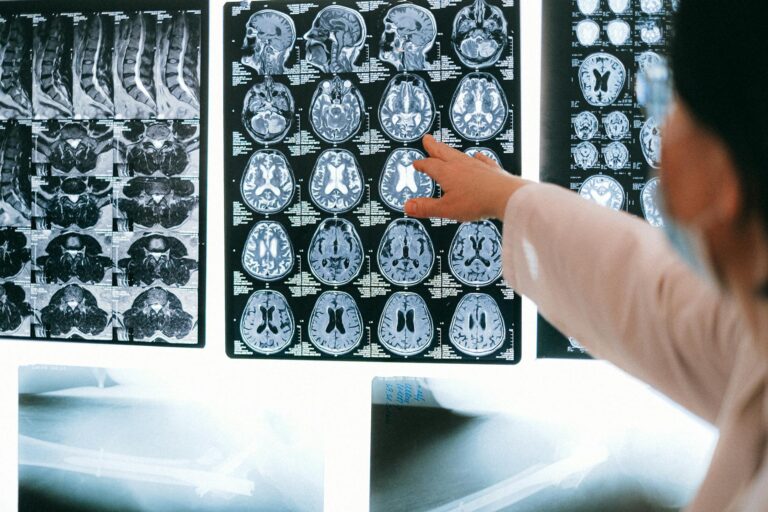
Emotional memory often outlasts factual memory because the brain processes and stores emotional experiences differently and more powerfully than neutral facts. When an event triggers strong feelings—whether joy, fear, sadness, or excitement—the brain’s emotional centers, especially the amygdala, become highly active. This activation enhances the encoding and consolidation of the memory, making the emotional aspects more vivid and durable than the factual details.
The amygdala, a small almond-shaped structure deep in the brain, plays a crucial role in detecting emotional significance. When it senses something emotionally charged, it interacts closely with the hippocampus, which is responsible for forming and storing episodic memories (the memories of events and facts). This interaction boosts the strength and vividness of the memory. In fact, during emotional experiences, the amygdala generates bursts of high-frequency activity that shape how the hippocampus encodes the memory. Later, when recalling the event, the hippocampus reactivates these patterns, especially those linked to the emotional content, making the emotional memory feel more intense and real than neutral memories.
This biological mechanism explains why people often remember how they felt during an event more clearly than the exact details. For example, someone might vividly recall the fear they felt during a car accident but struggle to remember the color of the car or the exact sequence of events. Emotional memories are often encoded with sensory fragments—like sounds, smells, or physical sensations—and strong feelings rather than a clear, logical narrative. This can make emotional memories feel fragmented or disorganized, especially in cases of trauma, where the brain’s normal memory processing is disrupted by overwhelming stress.
Traumatic memories illustrate this phenomenon well. During intense fear or distress, the hippocampus’s ability to organize memories into coherent stories is impaired, while the amygdala becomes hyperactive. As a result, traumatic memories are often stored as chaotic sensory impressions or raw emotional states rather than detailed facts. This disorganized storage can cause intrusive flashbacks or nightmares, where the emotional intensity floods the present moment, making it difficult to separate past trauma from current reality.
Moreover, emotional memories tend to be prioritized during sleep, a critical time for memory consolidation. The brain selectively strengthens memories with emotional significance, ensuring they remain accessible over time. This selective consolidation means that even if factual details fade, the emotional essence of an experience can persist for years or even a lifetime.
Another reason emotional memory outlasts facts is that emotions serve as a kind of mental bookmark. They signal to the brain that an experience is important and worth remembering, often because it relates to survival, social bonding, or personal identity. This prioritization helps explain why people remember emotionally charged events like weddings, funerals, or moments of danger more vividly than mundane daily occurrences.
However, the vividness of emotional memories does not guarantee accuracy. Emotional memories can be distorted or exaggerated over time. The brain’s tendency to reconstruct memories means that feelings associated with an event can sometimes overshadow or alter the factual content. For instance, a memory of a heated argument might become more hostile or painful in recollection than it was in reality, because the emotional charge colors the way the memory is stored and retrieved.
In everyday life, this means that people often carry emotional memories that shape their attitudes, behaviors, and relationships long after the factual details have faded. These emotional memories influence how individuals perceive themselves and others, contributing to identity and emotional well-being. They can also affect decision-making, sometimes leading to biases based on past emotional experiences rather than objective facts.
Therapeutically, understanding the persistence of emotional memory is important. Treatments for conditions like PTSD focus on helping individuals process and integrate traumatic emotional memories into coherent narratives, reducing their intrusive power. By addressing the emotional core of memories rather than just the facts, therapy can help people regain control over memories that otherwise dominate their mental landscape.
In essence, emotional memory outlasts facts because the brain’s emotional systems amplify and preserve the feelings tied to experiences, ofte