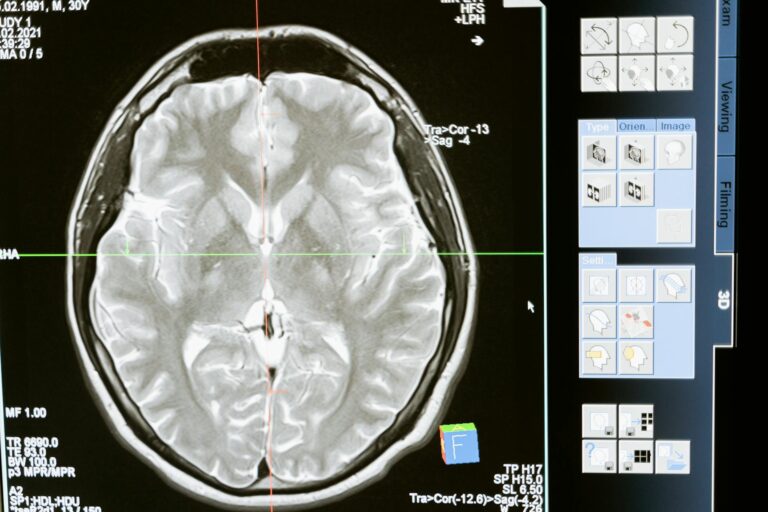
Parkinson’s disease affects mood swings primarily because it disrupts the brain’s chemistry and neural circuits that regulate emotions. The disease causes the loss of dopamine-producing nerve cells in the brain, and dopamine is not only crucial for controlling movement but also plays a significant role in mood regulation. When dopamine levels drop, it can lead to emotional instability, causing mood swings, depression, anxiety, and apathy.
Mood swings in Parkinson’s are often part of a broader set of non-motor symptoms that affect many people with the disease. These mood changes can be sudden and unpredictable, making it difficult for both the person with Parkinson’s and their loved ones to understand or manage. The emotional shifts may range from feelings of sadness or hopelessness to irritability or frustration, sometimes without an obvious trigger. This is because the disease affects brain regions beyond those controlling movement, including areas involved in mood and behavior.
One reason mood swings occur is that Parkinson’s disease alters the balance of several brain chemicals besides dopamine, such as serotonin and norepinephrine, which are also important for emotional health. The loss of these chemicals can cause depression and anxiety, which often manifest as mood swings. Additionally, the physical symptoms of Parkinson’s—like tremors, stiffness, and difficulty moving—can be frustrating and exhausting, contributing to emotional distress and mood fluctuations.
Another factor is that Parkinson’s can affect cognitive functions, including how a person processes emotions and reacts to stress. This can make it harder for them to regulate their mood or respond appropriately to social situations, sometimes leading to sudden outbursts or withdrawal. Fatigue and sleep disturbances, common in Parkinson’s, further worsen mood stability by reducing emotional resilience.
Medications used to treat Parkinson’s can also influence mood swings. Some drugs that increase dopamine levels may cause side effects such as impulsivity or agitation, while others might lead to feelings of apathy or depression. Finding the right medication balance is often a trial-and-error process, and mood symptoms may improve or worsen depending on the treatment.
The emotional impact of Parkinson’s extends beyond the individual to their relationships. Loved ones may feel hurt or confused by mood swings, especially when they don’t realize these changes are caused by the disease and not intentional behavior. This can create tension and feelings of isolation for both parties.
Managing mood swings in Parkinson’s involves a combination of approaches. Psychological therapies like cognitive-behavioral therapy (CBT) can help people develop strategies to cope with emotional changes. Medications targeting depression or anxiety may be prescribed alongside Parkinson’s treatments. Lifestyle changes, such as regular exercise, social engagement, and good sleep hygiene, also support emotional well-being.
Because Parkinson’s disease is progressive, mood swings and other non-motor symptoms may change over time. Early recognition and treatment of mood disturbances are important to improve quality of life. Care teams often use screening tools to identify mood problems and tailor interventions accordingly.
In essence, Parkinson’s disease affects mood swings by disrupting the brain’s chemical balance and neural pathways involved in emotion regulation. This leads to a complex interplay of depression, anxiety, apathy, and irritability that can fluctuate unpredictably. Understanding these changes as part of the disease process helps patients and caregivers navigate the emotional challenges alongside the physical symptoms.