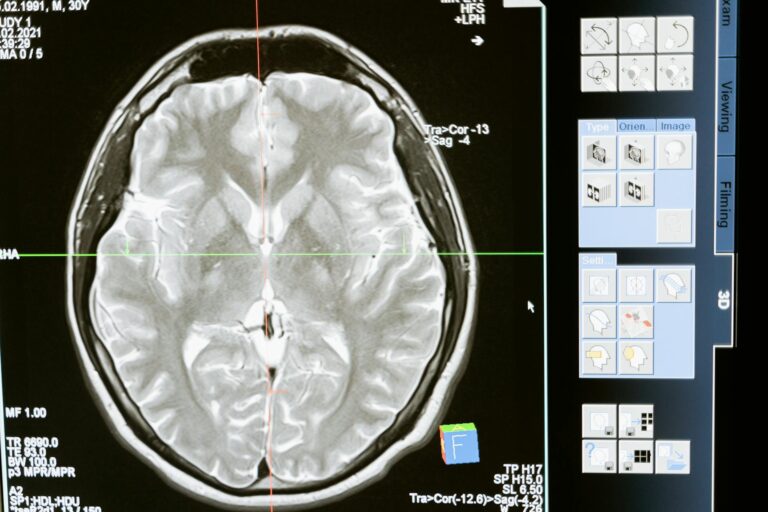
Parkinson’s disease, a progressive neurological disorder, primarily affects movement but also significantly impacts memory and cognitive functions, especially in its advanced stages. As the disease progresses, many individuals experience a decline in memory, attention, and the ability to process information, which can culminate in Parkinson’s disease dementia (PDD).
In the early and middle stages of Parkinson’s, cognitive changes may be subtle, often involving slower mental processing, difficulty focusing, and mild memory lapses. However, in advanced stages, these cognitive impairments become more pronounced and debilitating. Memory problems in advanced Parkinson’s are not just about forgetting things; they involve difficulties with recalling recent events, learning new information, and sometimes confusion about familiar people or places. This memory decline is often accompanied by other cognitive deficits such as impaired problem-solving, reduced attention span, and difficulty with planning or organizing tasks.
The underlying cause of these memory issues is linked to the progressive loss of dopamine-producing neurons in the brain, particularly in an area called the substantia nigra, which is crucial for movement control but also connected to cognitive functions. As Parkinson’s advances, the disease spreads beyond this region to affect other parts of the brain, including the cerebral cortex and basal ganglia networks, which are involved in memory, executive function, and emotional regulation. This widespread brain involvement leads to the complex cognitive symptoms seen in late-stage Parkinson’s.
In addition to memory loss, people with advanced Parkinson’s may experience fluctuations in attention and alertness, making it harder to concentrate or follow conversations. Visual hallucinations and changes in mood or behavior, such as apathy or depression, are also common and can further complicate cognitive function. These symptoms reflect the broader impact of Parkinson’s on brain chemistry and neural circuits beyond just dopamine deficiency.
The memory impairment in advanced Parkinson’s differs from that seen in Alzheimer’s disease. While Alzheimer’s typically starts with memory loss and gradually affects language and personality, Parkinson’s dementia usually emerges after years of motor symptoms and involves more pronounced fluctuations in cognition and vivid hallucinations earlier on. This distinction is important for diagnosis and care, as the management strategies may differ.
As memory and cognitive functions decline, individuals with advanced Parkinson’s often require increasing support with daily activities and decision-making. Communication can become challenging, and safety concerns arise due to impaired judgment and memory lapses. Caregivers play a critical role in providing assistance and adapting the environment to help maintain quality of life.
Overall, memory problems in advanced Parkinson’s disease reflect the extensive neurological changes caused by the disease’s progression. These changes affect multiple brain regions responsible for memory, attention, and executive functions, leading to a complex pattern of cognitive decline that significantly impacts the lives of those affected and their families.