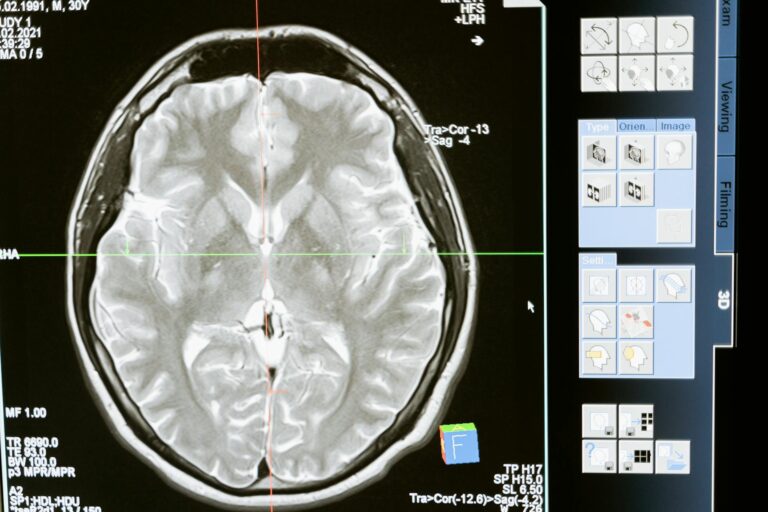
Parkinson’s disease profoundly shapes late-life care decisions because it is a progressive neurological disorder that affects movement, cognition, and many aspects of daily living. As the disease advances, individuals face increasing physical limitations, cognitive decline, and complex symptom management challenges, all of which require thoughtful, evolving care planning tailored to their changing needs.
One of the earliest impacts on late-life care decisions is the gradual loss of independence. Parkinson’s causes symptoms like tremors, stiffness, slowed movement, and balance problems, which worsen over time. This progression means that people with Parkinson’s often need help with basic activities such as dressing, eating, bathing, and moving safely around their home. Caregivers and healthcare providers must decide when and how to introduce assistance, whether through family support, home health aides, or eventually moving to assisted living or nursing facilities. These decisions are deeply personal and often involve balancing the desire to maintain independence with the need to prevent falls and injuries.
Medication management is another critical factor influencing care choices. Parkinson’s symptoms are primarily managed with medications that require careful timing and dosage adjustments as the disease progresses. In advanced stages, fluctuations in symptom control can become more pronounced, leading to periods of immobility or dyskinesias (involuntary movements). Healthcare teams may consider device-assisted therapies such as deep brain stimulation or infusion pumps to provide more consistent symptom relief. Deciding whether to pursue these options involves weighing potential benefits against risks and the individual’s preferences, often requiring discussions among the patient, family, and specialists.
Cognitive changes, including dementia and memory problems, frequently develop in later stages of Parkinson’s, complicating care decisions further. Cognitive decline affects communication, decision-making capacity, and the ability to follow medication regimens, increasing reliance on caregivers. This shift often necessitates legal and financial planning, such as establishing power of attorney and advance directives, to ensure the person’s wishes are respected when they can no longer advocate for themselves.
End-of-life care decisions become particularly complex in Parkinson’s disease due to the high symptom burden and the unpredictable course of the illness. People with advanced Parkinson’s may experience severe motor symptoms, pain, swallowing difficulties, respiratory issues, and neuropsychiatric symptoms like depression or hallucinations. These challenges require integrated palliative care approaches focused on comfort, symptom management, and quality of life. Decisions about interventions such as feeding tubes, hospitalization, or resuscitation must be made in advance, ideally through conversations involving the patient, family, and healthcare team.
Hospice care is often considered when Parkinson’s reaches its terminal phase, providing specialized support for symptom relief and emotional care. However, the timing of hospice referral can be difficult to determine because Parkinson’s progression is variable. Some patients may receive palliative sedation to manage refractory symptoms, reflecting the complexity of end-of-life care in this population. Families and caregivers must navigate these decisions with sensitivity, balancing hope for stability with realistic expectations about disease progression.
Caregiver support is a vital component of late-life care decisions in Parkinson’s disease. The demands of caregiving increase as the disease advances, often leading to physical, emotional, and financial strain. Caregivers must learn to adapt alongside the person with Parkinson’s, providing assistance while respecting their autonomy. Education about the disease, training in safe caregiving techniques, and access to respite care or support groups can help reduce burnout and improve outcomes for both patients and caregivers.
Home modifications and assistive technologies also play a significant role in late-life care planning. Installing grab bars, ramps, and adaptive equipment can enhance safety and prolong independent living. Mobility aids, communication devices, and adaptive utensils help manage symptoms and maintain function. These practical adjustments require foresight and resources but can significantly improve quality of life.
Psychological and social factors influence care decisions as well. Depression, anxiety, and social isolation are common in Parkinson’s and affect both patients and caregivers. Access to counseling, support groups, and community resources can provid