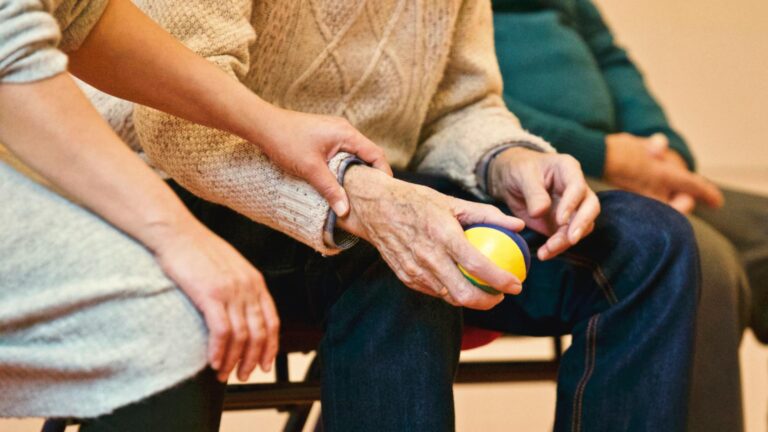
Parkinson’s disease profoundly affects everyday household safety by impairing movement, balance, coordination, and cognitive function, which increases the risk of accidents and injuries in the home environment. The symptoms of Parkinson’s—such as tremors, muscle stiffness, slowed movement, and postural instability—make routine activities like walking, cooking, bathing, and transferring between positions more difficult and hazardous. These challenges necessitate thoughtful modifications and safety measures within the home to reduce risks and maintain independence.
One of the most significant safety concerns for people with Parkinson’s is the increased likelihood of falls. Approximately 60 to 70 percent of individuals with Parkinson’s experience falls, often occurring indoors during activities like getting out of bed, moving to or from a chair or toilet, or walking while carrying objects. This heightened fall risk stems from impaired balance, muscle rigidity, and difficulties with multitasking, such as walking while talking or carrying items. Falls can lead to serious injuries, including fractures and head trauma, which can severely impact quality of life and independence.
To mitigate these risks, homes need to be adapted to the changing needs of someone with Parkinson’s. Removing throw rugs and clutter is essential because these items can easily cause tripping. Uneven surfaces and thresholds should be leveled or removed to prevent stumbles. Installing grab bars in critical areas like bathrooms—near showers, tubs, and toilets—provides stable support for transfers and reduces the chance of slipping. Non-slip mats in the bathroom and kitchen further enhance safety by preventing falls on wet or slick floors.
Lighting also plays a crucial role in household safety. Parkinson’s patients often experience freezing of gait, where they temporarily feel stuck and unable to move forward. Well-lit pathways, nightlights, and easily accessible flashlights near beds and phones help reduce disorientation and prevent falls during nighttime movements. Emergency preparedness is another key aspect: posting emergency numbers in visible locations, carrying a phone at all times, and considering medical alert systems can ensure timely assistance if an accident occurs.
Daily tasks such as cooking and cleaning become more challenging as Parkinson’s progresses. Tremors and muscle stiffness can make handling utensils, chopping vegetables, or pouring liquids risky. To address this, kitchen modifications like keeping frequently used pots, pans, and utensils within easy reach reduce the need for stretching or bending, which can destabilize balance. Using adaptive tools with ergonomic grips can help maintain control despite tremors. Similarly, organizing the home to minimize unnecessary movement conserves energy and reduces fatigue, which can otherwise increase the risk of accidents.
Personal care activities such as bathing and dressing also require special attention. Muscle rigidity and slowed movements can make standing in the shower or getting in and out of the bathtub dangerous. Installing walk-in tubs or showers with seats, along with grab bars, can provide safer options. Using a shower chair and handheld showerhead allows for seated bathing, reducing fall risk. Dressing aids like button hooks or elastic shoelaces can help maintain independence while minimizing frustration and risk of injury.
Cognitive changes associated with Parkinson’s, including slowed thinking, confusion, or difficulty multitasking, can further compromise safety. These changes may lead to forgetting to turn off appliances, leaving stoves unattended, or mismanaging medications. Simplifying routines, using timers or reminders, and organizing medications in clearly labeled pillboxes can reduce these risks. Smoke detectors and fire extinguishers should be installed and regularly checked to protect against fire hazards.
As Parkinson’s disease advances, the cumulative effect of motor and cognitive impairments often requires increased support. Family caregivers may need to assist with daily activities, but this can be physically and emotionally demanding. In some cases, moving to assisted living or specialized care facilities equipped with safety features and trained staff becomes necessary to ensure continuous protection and care.
In summary, Parkinson’s disease affects everyday household safety by impairing physical and cognitive abilities, increasing the risk of falls, accidents, and injuries. Addressing these challenges involves removing hazards, installin