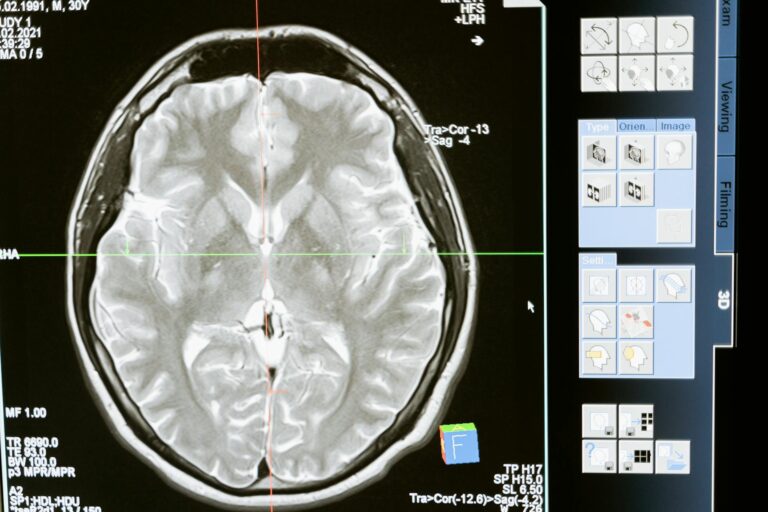
Parkinson’s disease (PD) profoundly affects communication skills over the long term through a combination of motor, cognitive, and speech-related challenges. As the disease progresses, individuals often experience a gradual decline in their ability to speak clearly, express themselves, and engage in conversations, which can significantly impact their social interactions and quality of life.
One of the primary ways Parkinson’s affects communication is through **motor symptoms that impair speech production**. The muscles involved in speaking—those controlling the vocal cords, tongue, lips, and jaw—can become weak, rigid, or uncoordinated. This leads to a condition called **dysarthria**, characterized by a soft, monotone, or slurred voice. Many people with Parkinson’s speak more quietly than usual, making it difficult for others to hear them. Their speech may also lose its natural rhythm and intonation, sounding robotic or emotionless. Over time, these changes can make conversations frustrating and exhausting, as the person struggles to be understood and may withdraw from social situations to avoid embarrassment or fatigue.
In addition to motor speech difficulties, Parkinson’s disease often causes **cognitive changes that affect communication**. These changes can include problems with attention, processing speed, and executive functions such as planning and organizing thoughts. For example, someone with Parkinson’s might find it harder to follow a fast-paced conversation, keep track of multiple topics, or find the right words to express complex ideas. Short-term memory issues can also interfere with recalling recent information, which complicates everyday communication. Unlike dementia, which involves widespread cognitive decline, these cognitive impairments in Parkinson’s can be more subtle but still significantly impact the ability to engage in meaningful dialogue.
Another important factor is the **impact on language skills**. While Parkinson’s primarily affects motor control, it can also influence receptive and expressive language abilities. This means that understanding what others say and formulating coherent responses can become more challenging. Speech may become fragmented or less fluent, and the person might struggle with word-finding or constructing sentences. These language difficulties, combined with speech motor problems, create a complex barrier to effective communication.
Swallowing difficulties, or **dysphagia**, often accompany speech problems in Parkinson’s. The muscles used for swallowing can weaken, increasing the risk of choking and aspiration. This not only affects nutrition and health but also influences communication because the act of speaking and swallowing share many of the same muscles. Therapies that target both speech and swallowing muscles are crucial to maintaining safety and communication ability.
Long-term, these combined challenges can lead to **social isolation and emotional distress**. When communication becomes effortful and unreliable, people with Parkinson’s may avoid social interactions, leading to loneliness and depression. Family members and caregivers also face increased burdens as they try to interpret unclear speech and provide support.
Fortunately, specialized therapies can help manage these communication difficulties. Programs like **SPEAK OUT® Therapy** focus on strengthening the muscles used for speech and swallowing by encouraging patients to speak with intent and purpose rather than relying on automatic speech patterns. Techniques such as the **Lee Silverman Voice Treatment (LSVT LOUD)** emphasize speaking louder and more clearly, which can improve vocal strength and clarity. Speech-language pathologists work closely with patients to tailor exercises that address individual needs, helping to maintain communication skills for as long as possible.
Assistive technologies are also emerging as valuable tools to support communication in Parkinson’s. These can include devices that amplify speech, software that aids word retrieval, or apps that facilitate alternative communication methods when speech becomes too difficult. An interdisciplinary approach involving physical therapy, occupational therapy, and speech therapy can maximize the effectiveness of these technologies and improve overall daily functioning.
In summary, Parkinson’s disease affects communication skills long-term by impairing the motor control of speech, altering cognitive and language abilities, and causing swallowing difficulties. These changes make speaking and understanding language more challenging, which can isolate individuals socially and emotionally. However, targeted therapies and assistive technologies offer hope for maintainin