Menopause is a natural part of life for women, marking the end of their menstrual cycles. While it’s a significant milestone, it also brings about several changes that can affect cardiovascular health. Understanding how menopause influences cardiovascular fitness is crucial for maintaining overall well-being during this phase.
### The Role of Estrogen
Estrogen plays a protective role in heart health. It helps keep blood vessels flexible and supports the balance of cholesterol levels in the body. During menopause, estrogen levels drop significantly, which can lead to increased blood pressure and cholesterol levels. These changes can elevate the risk of heart disease, as the protective effects of estrogen are diminished[2][3].
### Impact on Cardiovascular Health
Menopause can increase the risk of cardiovascular diseases due to several factors:
– **Increased Blood Pressure and Cholesterol**: The decline in estrogen levels can cause blood pressure to rise and cholesterol levels to increase, both of which are risk factors for heart disease[3][5].
– **Changes in Body Composition**: Menopause often leads to changes in body composition, such as increased body fat around the abdomen, which can further contribute to cardiovascular risks[1].
### Lifestyle Changes to Improve Cardiovascular Fitness
While menopause itself cannot be controlled, there are several lifestyle changes that can help maintain cardiovascular fitness:
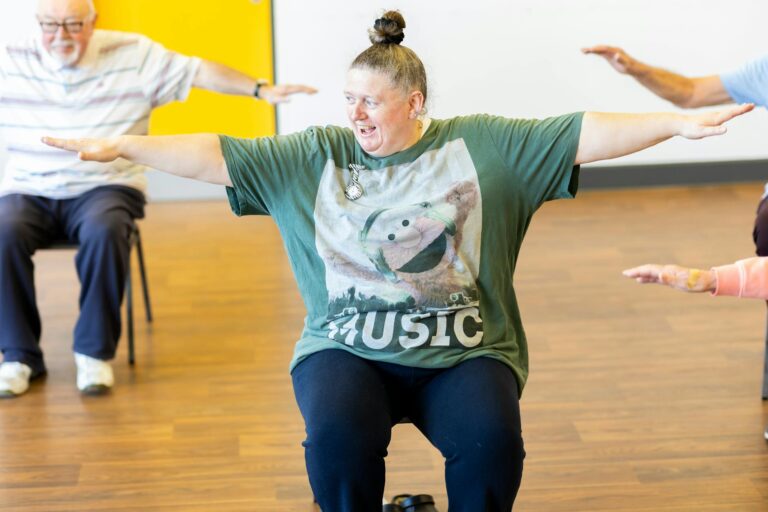
– **Regular Exercise**: Engaging in regular physical activity, such as walking, running, or swimming, can help keep the cardiovascular system healthy. The American Heart Association recommends at least 150 minutes of moderate exercise or 75 minutes of vigorous exercise per week, along with strength training to target major muscle groups[4].
– **Weight Training**: Weight training not only improves muscle strength but may also stimulate some estrogen production, which can help mitigate the risk of cardiovascular disease[4].
– **Dietary Changes**: Eating a heart-healthy diet rich in fiber from whole foods and plant-based sources can help manage cholesterol levels. Increasing fiber intake can bind excess cholesterol and remove it from the body, reducing the risk of cardiovascular disease[4].
### Conclusion
Menopause brings about significant changes that can impact cardiovascular health. However, by adopting a healthy lifestyle, including regular exercise and a balanced diet, women can reduce their risk of heart disease and maintain optimal cardiovascular fitness during this phase of life. While the timing of menopause cannot be controlled, proactive steps can be taken to protect heart health and overall well-being.