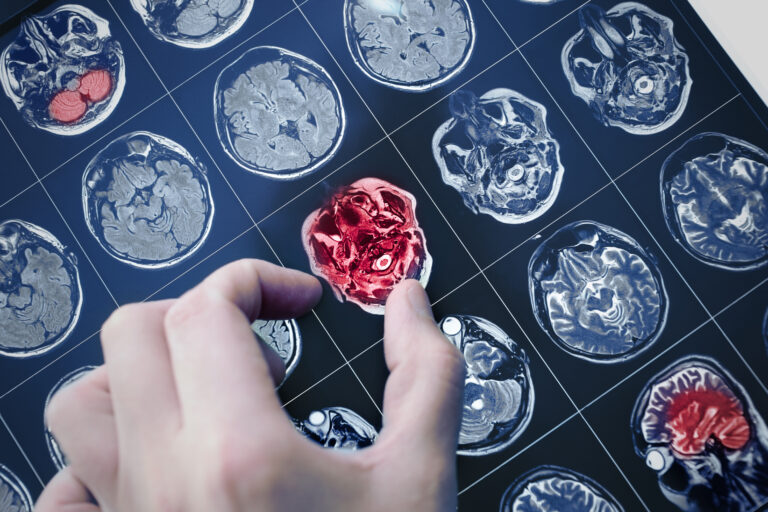
Lowering heart attack risk protects against dementia primarily because both conditions share common underlying factors related to blood flow, inflammation, and vascular health. When the heart is healthier and able to pump blood efficiently, the brain receives adequate oxygen and nutrients, which helps maintain cognitive function and reduces the risk of dementia.
The heart and brain are closely connected through the vascular system. A heart attack usually results from blocked arteries that reduce blood flow to the heart muscle. Similar blockages or damage in the blood vessels supplying the brain can lead to strokes or chronic brain ischemia (insufficient blood flow), both of which increase dementia risk. Conditions like heart failure, atrial fibrillation, and coronary heart disease, which impair heart function or blood flow, have been linked to higher rates of cognitive decline and dementia. For example, atrial fibrillation increases the risk of blood clots that can travel to the brain, causing strokes or silent brain injuries that contribute to dementia, even in people who have never had a stroke. Heart failure reduces the heart’s ability to pump blood, leading to less oxygen reaching the brain, which can cause vascular changes and cognitive impairment. Coronary heart disease can also weaken the blood-brain barrier, allowing harmful substances to enter the brain and trigger inflammation, further damaging brain tissue.
Inflammation plays a critical role in linking heart disease and dementia. Chronic inflammation associated with cardiovascular disease can damage blood vessels in both the heart and brain, promoting plaque buildup and vascular dysfunction. This inflammation can activate platelets and increase clotting, raising the risk of strokes and microvascular brain injury, which are important contributors to dementia. Genetic factors and lifestyle behaviors that increase cardiovascular risk—such as high blood pressure, diabetes, obesity, and high cholesterol—also increase dementia risk by promoting vascular damage and metabolic dysfunction.
Preventing heart attacks by managing these risk factors helps maintain healthy blood vessels and reduces inflammation, which in turn protects the brain’s vascular system. For instance, controlling hypertension and diabetes reduces the likelihood of both heart disease and vascular dementia. Medications that improve heart health, such as statins and certain antidiabetic drugs, may also lower dementia risk by improving blood vessel function and reducing inflammation.
Vaccinations against infections like influenza and shingles have been shown to reduce cardiovascular events and may also lower dementia risk, possibly by preventing infections that trigger inflammation and vascular damage.
In summary, lowering heart attack risk protects against dementia by preserving the integrity of the vascular system that supplies the brain, reducing inflammation and clotting, and ensuring adequate blood flow and oxygen delivery to brain tissue. This interconnectedness means that strategies promoting heart health—through lifestyle changes, medical management, and preventive care—also support brain health and reduce the likelihood of cognitive decline and dementia.