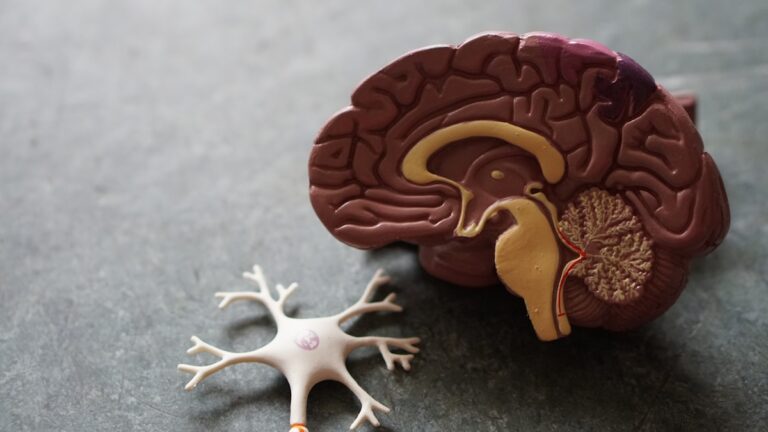
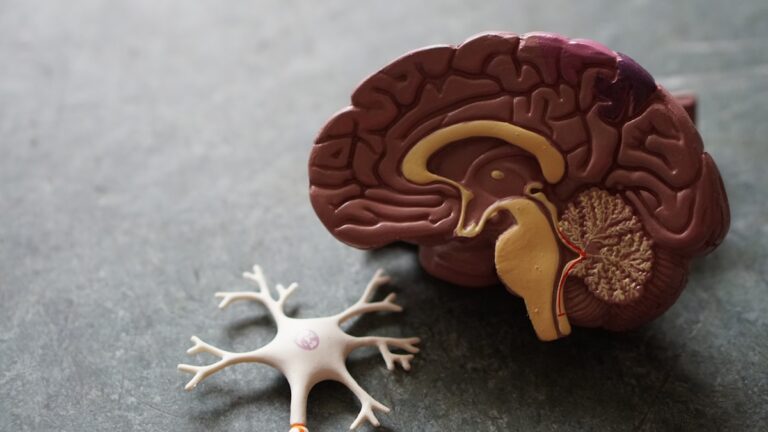
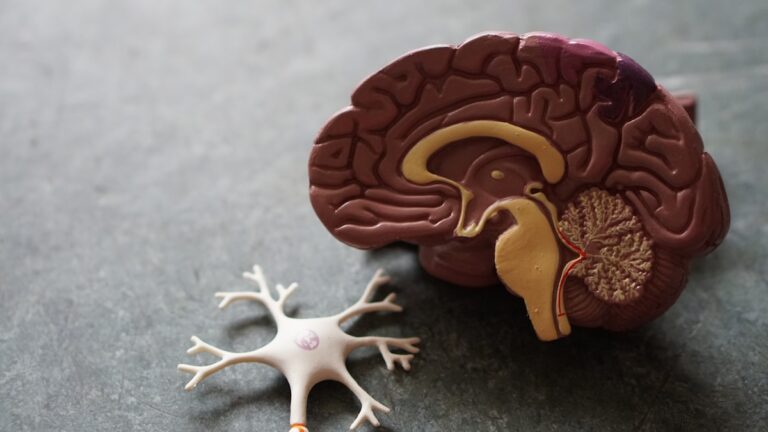
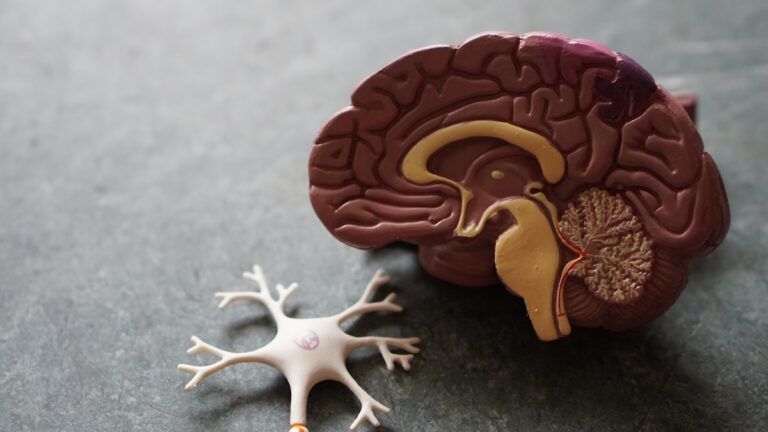
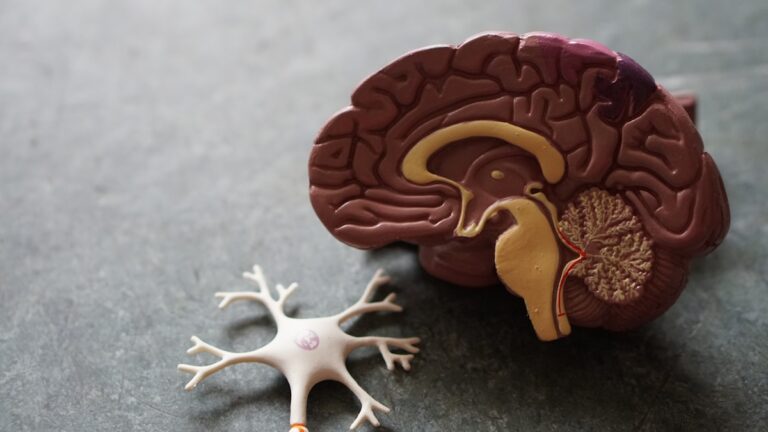
Laughter protects the brain from dementia through multiple interconnected mechanisms that promote brain health, reduce stress, and enhance cognitive function. When you laugh, your brain activates several regions involved in emotion, memory, and reward processing. This activation triggers the release of feel-good chemicals like endorphins and oxytocin, which not only improve mood but also support immune function and reduce inflammation—factors important for maintaining healthy brain cells.
One key way laughter helps is by lowering stress hormones such as cortisol. Chronic stress is known to damage the hippocampus—the part of the brain critical for memory formation—and increase vulnerability to dementia. By reducing these harmful hormones, laughter creates a protective environment that preserves neural integrity.
Moreover, laughter stimulates cognitive flexibility and emotional regulation by engaging areas like the frontal lobe responsible for executive functions including judgment and problem-solving. This mental stimulation strengthens neural connections and encourages creative thinking patterns rather than rigid or depressive ones often linked with cognitive decline.
Social laughter further enhances these benefits by fostering strong social bonds. Social interaction itself is a powerful defense against dementia because it keeps the mind active through communication and shared experiences while providing emotional support that combats loneliness—a known risk factor for cognitive deterioration.
Physiologically, laughing increases heart rate temporarily but then promotes muscle relaxation and improved circulation afterward. These cardiovascular benefits mirror those of light exercise which has been shown to slow down age-related cognitive decline.
In addition to immediate neurochemical boosts—dopamine release enhancing pleasure centers in the brain—laughter also triggers growth hormone production supporting overall adult immune health. A robust immune system helps protect against infections or chronic inflammation that can accelerate neurodegeneration.
Finally, incorporating regular moments of joy through humor or playful activities acts as a simple yet effective strategy to keep your mind sharp over time by continuously engaging multiple aspects of cognition: attention, memory recall, creativity, problem-solving skills—all vital components in resisting dementia’s progression.
So when you laugh at a joke or share a funny story with friends or family members—even if just briefly—you are not only lifting your spirits but actively nurturing your brain’s resilience against diseases like Alzheimer’s by reducing stress damage; boosting beneficial neurotransmitters; promoting social connection; stimulating mental agility; improving cardiovascular health; supporting immunity—and ultimately creating an environment where neurons thrive instead of deteriorate with age.