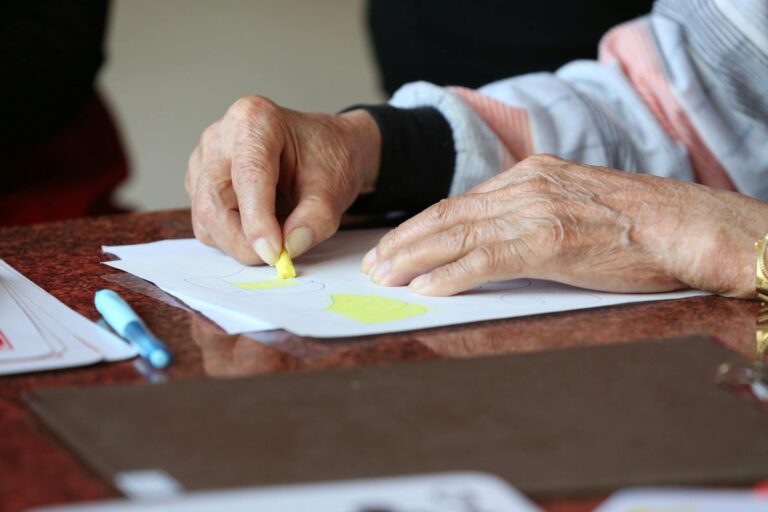
Dementia is a condition that affects the brain and changes how a person thinks, feels, and behaves. One of the most noticeable ways dementia impacts someone is through communication. Understanding how dementia affects communication can help family members, friends, and caregivers support their loved ones better.
At its core, dementia makes it harder for people to find the right words or follow conversations. Early on, someone with dementia might forget recent events or lose track of what they were saying in the middle of a sentence. They may also have trouble understanding complex ideas or instructions. This happens because dementia damages parts of the brain responsible for language and thinking[2][5].
As dementia progresses, these communication difficulties become more severe. People might struggle to name everyday objects or recognize familiar faces and places. Sometimes they may repeat themselves without realizing it or use words incorrectly without knowing it sounds strange to others[2][4]. In some cases, especially with certain types like primary progressive aphasia (PPA), language problems are among the first signs before memory issues appear[5].
Besides word-finding problems, people with dementia often have trouble following conversations because they cannot keep up with rapid changes in topics or understand subtle social cues like tone of voice or facial expressions[1][4]. This can lead to frustration on both sides—those living with dementia may feel misunderstood while their conversation partners might feel confused.
Mood changes linked to communication struggles are common too. Someone who finds it hard to express themselves might become anxious, sad, angry, or withdrawn from social activities because talking becomes stressful[2]. These emotional shifts further affect how well they communicate.
Caregivers can help by using simple strategies:
– Speak slowly and clearly.
– Use short sentences.
– Give one idea at a time.
– Be patient and give extra time for responses.
– Use gestures or pictures if words fail.
– Avoid correcting mistakes harshly; instead gently guide conversation.
Remember that each person’s experience is unique depending on their type of dementia and overall health[2]. Communication challenges will change over time but staying connected through kindness and understanding makes a big difference in quality of life.
In summary: Dementia gradually disrupts how people use language—making speaking, understanding others’ speech, remembering words—and following conversations difficult. These changes affect emotions too but thoughtful support helps maintain meaningful interactions despite these challenges[1][2][4][5].