Dance therapy offers significant benefits for people with cerebral palsy (CP) by improving physical fitness, motor skills, emotional well-being, and social interaction. It is an adaptive, enjoyable form of physical activity that can be tailored to individual abilities, helping to enhance muscle control, flexibility, coordination, and mental health.
Cerebral palsy is a neurological disorder that affects muscle control, movement, and posture due to brain injury or abnormal development, often resulting in muscle stiffness, weakness, and impaired motor function. While there is no cure, therapies like dance therapy can improve quality of life by addressing these challenges.
**Physical Benefits of Dance Therapy for Cerebral Palsy**
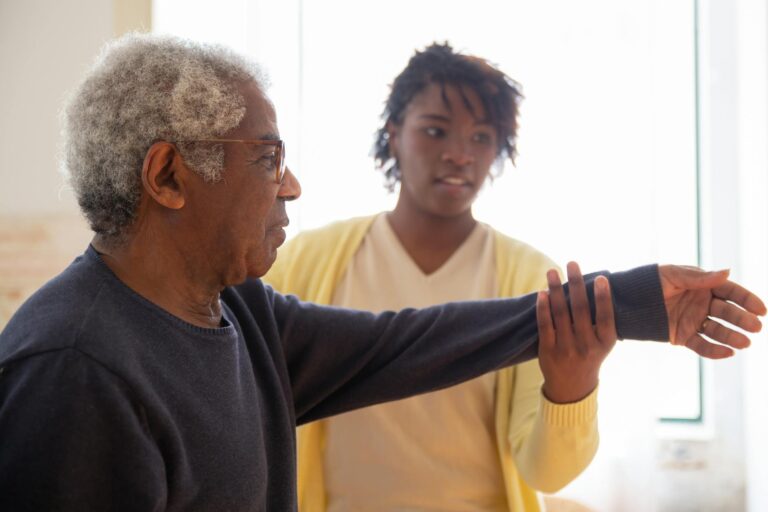
Dance therapy incorporates rhythmic, repetitive movements that promote muscle strengthening and flexibility. For individuals with CP, this is crucial because their muscles often suffer from spasticity (increased muscle tone) or weakness, limiting mobility. Regular dance movements help:
– **Improve muscle strength and tone:** Dance requires controlled muscle activation, which can reduce spasticity and improve voluntary muscle control, making everyday movements easier[1].
– **Enhance flexibility and range of motion:** Stretching and flowing dance movements help prevent muscle contractures (permanent shortening of muscles) and joint deformities common in CP[1].
– **Boost coordination and balance:** Dance involves complex motor patterns that challenge the brain and body to work together, improving motor planning and balance, which are often impaired in CP[3].
– **Increase cardiovascular fitness:** Adapted dance routines can serve as aerobic exercise, improving heart and lung health, which is important since people with CP may have limited opportunities for physical activity[1].
**Emotional and Psychological Benefits**
Dance therapy is not only physical but also expressive, allowing individuals to connect with their emotions and communicate nonverbally. This can lead to:
– **Improved mood and reduced anxiety:** Physical activity like dance releases endorphins, natural mood enhancers, which can alleviate depression and anxiety often experienced by people with CP[1].
– **Enhanced self-esteem and confidence:** Mastering dance movements and participating in group sessions fosters a sense of achievement and social belonging[1].
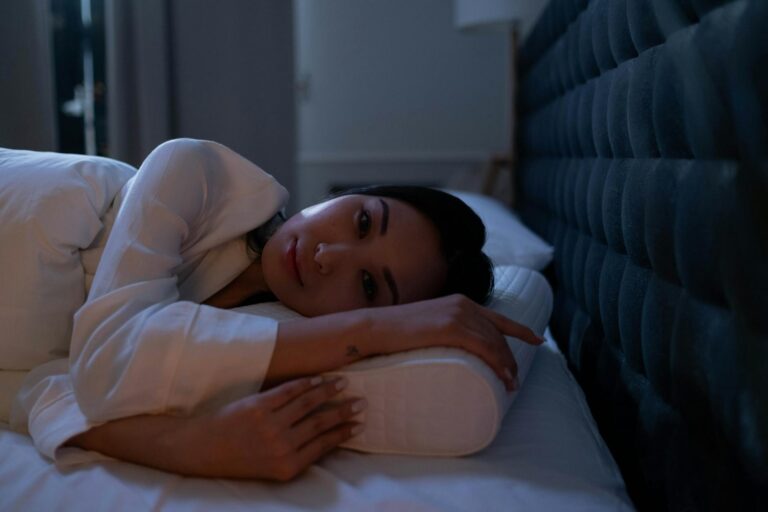
– **Better sleep quality:** Studies integrating art therapy and physical activity, including dance, have shown improvements in sleep quality for children with hemiplegic cerebral palsy, which is vital for overall health and recovery[2].
**Social Interaction and Inclusion**
Dance therapy often takes place in group settings, encouraging social interaction and teamwork. This helps individuals with CP develop interpersonal skills and reduces feelings of isolation. Programs like STEPtember promote inclusive activities such as dancing, wheelchair rolling, and yoga, emphasizing participation regardless of physical limitations[4].
**Therapeutic Integration**
Dance therapy can be integrated with other therapeutic approaches such as occupational therapy and neurodevelopmental therapy (NDT). These combined interventions focus on developing typical movement patterns and functional skills. Dance adds a creative, motivating dimension that can increase engagement and adherence to therapy[3].
**Adaptability and Accessibility**
Dance therapy is highly adaptable to different levels of motor function. Whether a person with CP is ambulatory or uses a wheelchair, movements can be modified to suit their abilities, ensuring safety and maximizing benefits. This inclusivity makes dance therapy a valuable option across the spectrum of CP severity[4].
In summary, dance therapy helps people with cerebral palsy by improving muscle strength, flexibility, coordination, cardiovascular health, emotional well-being, and social skill