Community engagement plays a significant role in lowering the risk of dementia by actively stimulating the brain, fostering emotional well-being, and encouraging healthier lifestyles. When people participate regularly in social activities, volunteer work, group hobbies, or community events, they create and maintain strong social connections that help keep their minds sharp and resilient against cognitive decline.
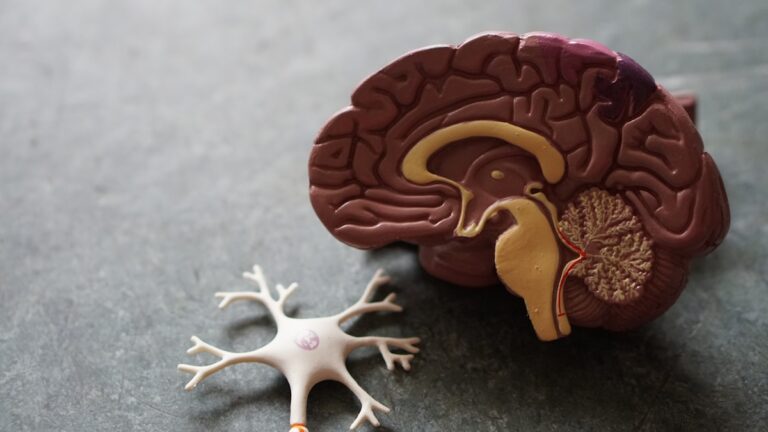
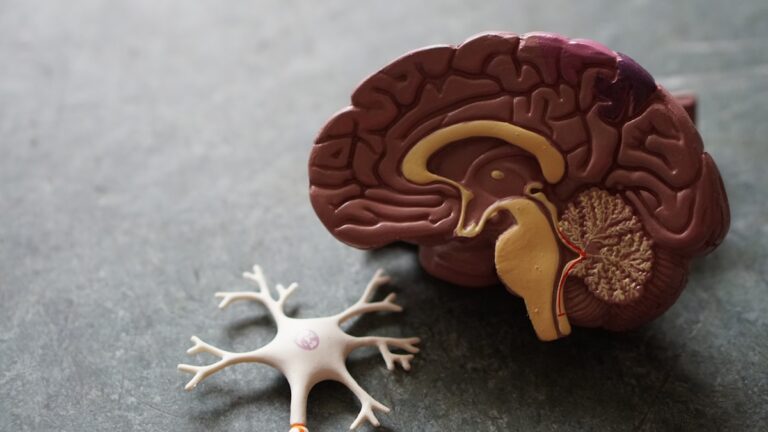
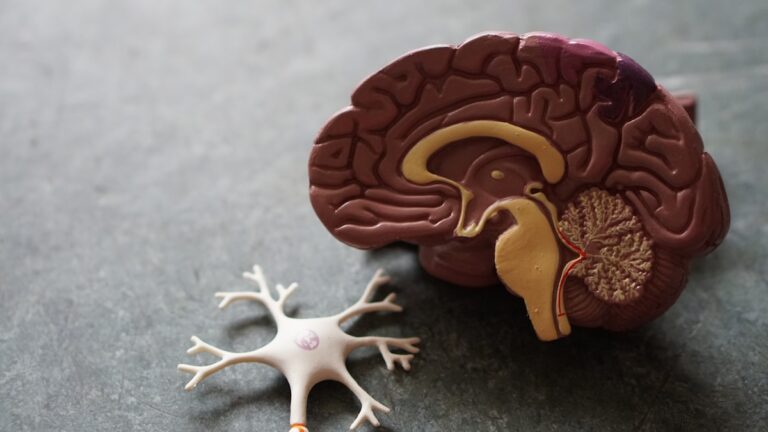
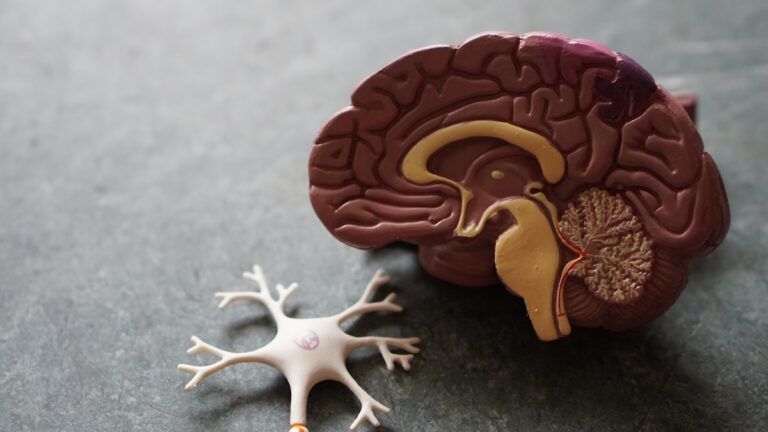
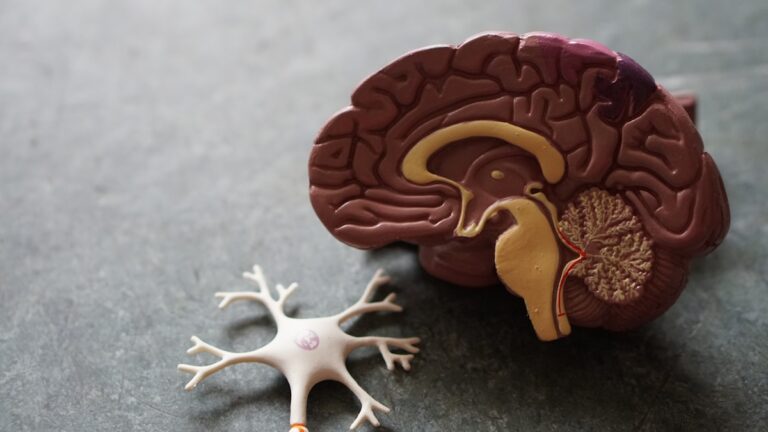
One of the key ways community engagement helps reduce dementia risk is through the development of *cognitive reserve*. Cognitive reserve refers to the brain’s ability to build and strengthen neural connections, making it more adaptable and efficient in processing information. This reserve acts like a buffer, allowing the brain to better cope with age-related changes or damage caused by diseases such as Alzheimer’s. Engaging socially challenges the brain with new interactions, conversations, and problem-solving situations, which encourages the growth of these neural networks. This means that even if some brain cells are lost or damaged, the brain can still function well because it has alternative pathways to rely on.
Moreover, community engagement often involves a variety of activities that combine mental, physical, and emotional stimulation. For example, joining a book club, participating in group exercise classes, or volunteering for local causes not only keeps the mind active but also promotes physical health and reduces feelings of loneliness and depression. These factors are all linked to better brain health. Physical activity improves blood flow to the brain, which supports neuron health, while emotional support from social networks helps reduce stress hormones that can harm brain cells over time.
Another important aspect is the sense of *purpose* and belonging that community involvement provides. Having meaningful roles and goals within a community—whether it’s mentoring younger people, organizing events, or simply being part of a social group—gives individuals a reason to stay engaged and motivated. Research shows that people with a strong sense of purpose tend to have a lower risk of cognitive impairment and dementia. This psychological well-being helps the brain remain resilient as people age, even among those with genetic risk factors for dementia.
Community engagement also encourages healthier lifestyle choices. Being part of a social group often means sharing information about nutrition, exercise, and medical care, which can lead to better management of cardiovascular health, a major factor in dementia risk. Socially active individuals are more likely to maintain routines that include balanced diets, regular physical activity, and adherence to medical advice, all of which contribute to protecting brain function.
Importantly, the benefits of community engagement are not limited to mid-life but extend into older age. Even individuals who begin to experience early memory loss or mild cognitive impairment can slow further decline by maintaining social connections and participating in stimulating activities. This ongoing engagement helps preserve cognitive function longer and improves quality of life.
The protective effects of community engagement are also influenced by the diversity and frequency of social interactions. Engaging with a wide range of people and participating in different types of activities provides richer cognitive stimulation than limited or repetitive social contact. This variety challenges the brain in multiple ways, enhancing its adaptability and strength.
Community-based approaches to brain health also help reduce stigma around aging and dementia. When communities promote awareness and inclusion, older adults feel more supported and empowered to participate actively, which further reinforces the protective cycle of engagement and cognitive health.
In summary, community engagement lowers dementia risk by building cognitive reserve through mental stimulation, promoting emotional well-being and a sense of purpose, encouraging healthy lifestyle habits, and providing diverse social interactions. These combined effects help the brain stay resilient and functional as people age, offering a powerful, accessible way to protect against cognitive decline.