Cerebral palsy (CP) profoundly affects crawling and walking because it disrupts the brain’s control over muscle movement, coordination, and balance. CP is a neurological disorder caused by damage to the brain areas responsible for motor function, often occurring before, during, or shortly after birth. This damage leads to abnormal muscle tone, impaired motor control, and difficulties with posture and coordination, all of which are critical for crawling and walking[6][4].
**How CP Affects Crawling and Walking:**
1. **Muscle Tone Abnormalities:**
Children with CP often experience either *hypertonia* (increased muscle stiffness) or *hypotonia* (reduced muscle tone). Hypertonia causes muscles to be overly tight and resistant to movement, making crawling and walking jerky, stiff, or even impossible in severe cases. Hypotonia results in floppy, weak muscles that lack the strength needed to support crawling or standing[2][3][5].
2. **Spasticity and Muscle Control:**
The most common type of CP is spastic cerebral palsy, characterized by muscle stiffness and spasms. This spasticity can cause abnormal postures such as bent elbows, flexed hips and knees, or scissoring of the legs, which interfere with the smooth, coordinated movements required for crawling and walking. Spasticity also leads to muscle fatigue and pain, further limiting mobility[2][3].
3. **Balance and Coordination Difficulties:**
CP often impairs the brain’s ability to coordinate muscle groups and maintain balance. Children with CP may have postural instability, making it hard to maintain upright positions or shift weight during crawling or walking. Ataxic cerebral palsy, a less common form, specifically affects balance and depth perception, causing unsteady, shaky movements and frequent falls[1][3].
4. **Delayed Motor Milestones:**
Due to these motor impairments, children with CP typically reach milestones like rolling over, crawling, sitting, and walking later than their peers. Some may never crawl or walk independently. Early delays in crawling and walking are often among the first signs of CP in infants[3][6].
5. **Joint and Bone Complications:**
Over time, abnormal muscle tone and spasticity can cause joint contractures (permanent tightening), muscle atrophy, and bone deformities. These physical changes further restrict movement and make crawling and walking more difficult or painful[2].
6. **Variability by CP Type and Severity:**
The impact on crawling and walking varies widely depending on the type and severity of CP. For example:
– *Spastic CP* often results in stiff, jerky movements and difficulty with weight-bearing activities.
– *Dyskinetic CP* causes involuntary, twisting movements that disrupt crawling and walking patterns.
– *Ataxic CP* leads to poor balance and coordination, causing unsteady gait and difficulty with precise movements[3].
**Therapeutic Approaches to Improve Crawling and Walking:**
– **Physical Therapy:**
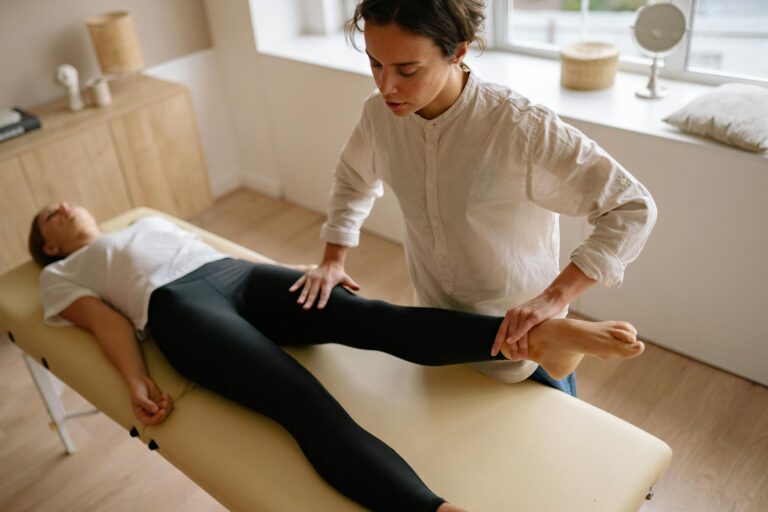
Targeted physical therapy focuses on strengthening muscles, improving balance, and enhancing coordination. Therapists use exercises and activities designed to promote motor skills and reduce spasticity, which can help children with CP improve their crawling and walking abilities[1].
– **Early Intervention:**
Research shows that early intervention is crucial. Starting therapy during infancy o