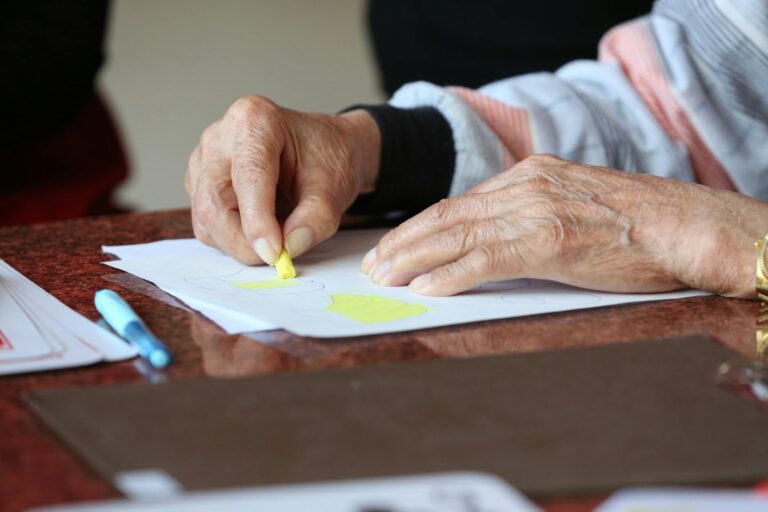
Art therapy supports autistic children by providing a unique, nonverbal way to express thoughts, feelings, and experiences that might be difficult to communicate through words. It creates a safe, structured space where children can explore their emotions and sensory experiences through creative activities like drawing, painting, or sculpting. This process helps them regulate their emotions, build self-esteem, and develop social and communication skills in a way that feels natural and engaging.
Autistic children often face challenges with verbal communication and sensory processing. Art therapy addresses these by using sensory-rich materials—such as clay, paint, or pastels—that engage the child’s senses in a calming and organizing manner. The tactile experience of handling these materials can soothe sensory overload or under-responsiveness, helping children feel more grounded and focused. This sensory regulation is crucial because many autistic children struggle with sensory sensitivities that affect their behavior and emotional state.
Beyond sensory benefits, art therapy encourages symbolic thinking. When children use colors, shapes, and images to represent their feelings or experiences, they create a bridge between their internal world and the outside environment. For example, a child might draw a chaotic scene to express anxiety or sculpt a protective figure to symbolize safety. This symbolic expression allows children to communicate complex emotions indirectly, reducing frustration and enhancing understanding by caregivers and therapists.
The therapeutic process also fosters a sense of agency and accomplishment. Creating something tangible gives children a visible product of their effort, which can boost confidence and self-esteem. This positive reinforcement often extends beyond the therapy room, encouraging children to try new activities and engage more with peers and family members.
Art therapy sessions are typically guided by trained art therapists who create a supportive, confidential environment. They observe the child’s choices and behaviors during art-making and use these insights to tailor interventions that meet the child’s emotional and developmental needs. The therapist might introduce different materials or themes to gently challenge the child’s comfort zone or to explore specific issues like anxiety, social skills, or sensory integration.
In addition to individual benefits, art therapy can improve social communication. Group art therapy sessions provide opportunities for autistic children to interact with peers in a structured, low-pressure setting. Sharing art projects or collaborating on creative tasks encourages turn-taking, joint attention, and understanding of social cues, which are often areas of difficulty for autistic individuals.
Art therapy can also complement other therapies such as occupational therapy or behavioral interventions. For instance, while occupational therapy might focus on fine motor skills and sensory integration, art therapy adds an emotional and expressive dimension, making the overall therapeutic experience more holistic and effective.
Moreover, art therapy has been shown to reduce anxiety and improve mood in autistic children. The creative process can be absorbing and meditative, helping to divert attention from stressors and providing a constructive outlet for emotional release. This emotional regulation is essential for improving daily functioning and quality of life.
Parents and caregivers often find that art therapy offers insights into their child’s inner world that might not emerge through conversation alone. It can reveal hidden fears, joys, or interests, enabling more empathetic and tailored support at home and school.
Practical art therapy activities might include free drawing, guided painting, collage-making, or working with clay. These activities are adaptable to each child’s preferences and abilities, ensuring that therapy remains engaging and accessible.
In summary, art therapy supports autistic children by addressing communication barriers, sensory challenges, emotional regulation, and social skills through a creative, sensory-rich, and child-centered approach. It empowers children to express themselves safely and meaningfully, fostering growth in multiple areas of their development.