Distracting dementia patients with safe activities involves engaging them in simple, enjoyable tasks that stimulate their senses, encourage movement, and foster a sense of accomplishment without causing frustration or risk. The key is to tailor activities to their current abilities and interests while ensuring safety and comfort.
One effective approach is incorporating **physical activity** into their routine. Gentle exercises like short walks in a secure environment, chair exercises, stretching, or light dancing can help maintain mobility and reduce agitation. Even small movements such as reaching or moving arms while seated promote circulation and flexibility. These activities not only improve physical health but also enhance mood and sleep quality.
**Music** is another powerful tool for distraction. Playing familiar songs from the patient’s past can evoke memories and emotions even when other cognitive functions decline. Encouraging singing along, gentle clapping, or using simple instruments like tambourines creates joyful moments of connection.
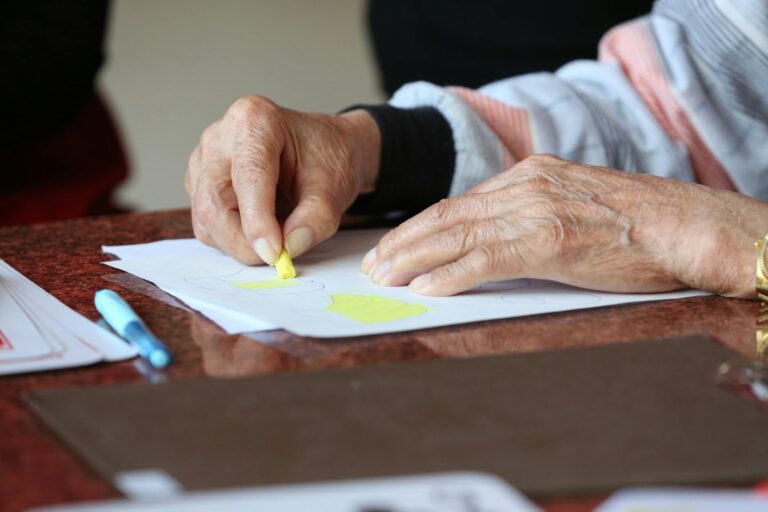
Creative outlets such as **arts and crafts** provide sensory stimulation without complexity. Activities like painting with large brushes or sponges, coloring with crayons, making collages from magazines or photos, folding paper into simple shapes, or arranging flowers engage fine motor skills gently while offering a sense of purpose.
Sensory experiences are particularly beneficial because they tap into remaining senses even when memory fades. Indoor gardening—sowing seeds in pots on a sunny windowsill or arranging cut flowers—engages touch (soil texture), smell (herbs’ aroma), sight (colors), and sometimes taste if herbs are used in cooking later on. Baking together allows patients to handle ingredients through measuring and mixing while enjoying familiar smells that may trigger pleasant memories; however safety precautions must be taken to avoid sharp tools or hot surfaces.
Simple household tasks adapted for dementia patients can also serve as distractions: sorting items by color; folding clothes; pairing socks; setting the table; washing dishes carefully under supervision—all these provide structure without overwhelming complexity.
Social interaction during these activities enhances engagement further—whether it’s chatting about the task at hand during gardening sessions or reminiscing over photo albums together after an art project.
When presenting any activity:
– Keep instructions very simple.
– Break down tasks into small steps.
– Demonstrate actions before asking them to try.
– Offer choices so they feel some control.
– Avoid overstimulation by limiting noise levels and distractions.
– Time activities appropriately—not too early when they might be sleepy nor too late when fatigue sets in.
Outdoor outings tailored for dementia patients offer additional benefits by combining gentle exercise with new sensory input: visiting botanical gardens encourages walking amid nature’s colors and scents; attending concerts stimulates hearing alongside social interaction; day trips provide cognitive challenges through navigation combined with emotional uplift from novel experiences—all done within safe boundaries set by caregivers.
Animals often bring comfort too—a visit from a friendly dog offers tactile engagement plus companionship that reduces anxiety.
In all cases safety is paramount: choose low-risk environments free of hazards where supervision ensures no falls occur; use non-toxic materials for crafts; avoid complex tools requiring fine motor precision beyond their capability at the moment.
By focusing on enjoyment rather than performance standards—and adapting each activity according to individual preferences—you create meaningful distractions that soothe restlessness while preserving dignity for those living with dementia over time.