Calming paranoia in dementia patients requires a compassionate, patient-centered approach that combines understanding, environmental adjustments, communication techniques, and sometimes medical intervention. Paranoia in dementia often manifests as suspiciousness, fear, or false beliefs, which can be distressing both for the person experiencing it and their caregivers. The goal is to reduce anxiety and confusion while promoting safety and comfort.
First, creating a **calm and predictable environment** is essential. Dementia patients often feel paranoid when they encounter unfamiliar or chaotic surroundings. Keeping their living space familiar, well-lit, and free of clutter helps reduce triggers of paranoia. Maintaining consistent daily routines for meals, medication, and activities provides a sense of security and reduces uncertainty that can fuel suspicious thoughts.
**Communication style** plays a crucial role. Use simple, clear, and reassuring language. Speak slowly and calmly, maintaining a gentle tone. Avoid arguing or directly challenging paranoid beliefs, as this can increase distress. Instead, acknowledge their feelings and gently redirect attention to something positive or neutral. For example, if a patient believes someone is stealing from them, rather than insisting it’s not true, you might say, “I understand that worries you. Let’s check together if everything is here.”
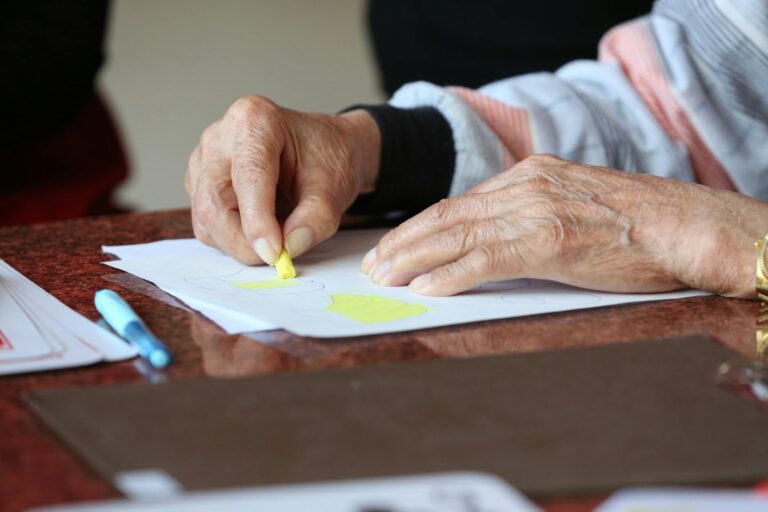
Engaging the person in **meaningful activities** can distract from paranoid thoughts and improve mood. Activities like music therapy, art therapy, or light physical exercise such as walking can stimulate the brain, reduce anxiety, and promote relaxation. Music, especially familiar songs, often evokes positive memories and emotions, helping to soothe agitation and fear. Art therapy offers a nonverbal outlet for expression, which can be particularly helpful when verbal communication is difficult.
**Cognitive stimulation** through gentle puzzles, discussions, or memory games tailored to the person’s abilities can also help maintain mental engagement and reduce behavioral symptoms, including paranoia. Occupational therapy may assist in adapting daily tasks to the patient’s current skills, fostering independence and reducing frustration that might contribute to paranoia.
Addressing **basic physical needs** is fundamental. Hunger, thirst, pain, discomfort, or fatigue can exacerbate paranoia and agitation. Ensuring the person is comfortable, well-nourished, and pain-free can significantly calm symptoms. Sometimes, paranoia arises from sensory misperceptions, so checking for issues like poor vision or hearing loss and correcting them can reduce misunderstandings.
**Environmental modifications** such as reducing noise, avoiding overcrowding, and minimizing sudden changes can prevent overstimulation, which often worsens paranoia. Soft lighting and familiar objects can create a soothing atmosphere. Using clocks and calendars helps orient the person to time, reducing confusion that can trigger paranoid thoughts.
When paranoia is severe or persistent, **professional support** is important. Behavioral management plans developed by healthcare providers can include non-drug strategies tailored to the individual’s history and preferences. In some cases, medications may be necessary, but these are used cautiously due to potential side effects and risks. Antipsychotic drugs might be prescribed for severe paranoia or psychosis, but only after thorough evaluation and when nonpharmacological methods are insufficient. Other medications like antidepressants or cognitive enhancers may also help if underlying depression or anxiety contributes to paranoia.
Caregivers benefit from education and support to understand the nature of paranoia in dementia and learn effective calming techniques. Keeping a behavior diary to track triggers and responses can guide adjustments in care. Support groups and community programs provide valuable resources and respite for caregivers, improving overall care quality.
Ultimately, calming paranoia in dementia involves patience, empathy, and a holistic approach that respects the person’s dignity and individuality. By combining environmental adjustments, gentle communication, engaging activities, and appropriate medical care, caregivers can help reduce fear and promote a more peaceful experience for those living with dementia.