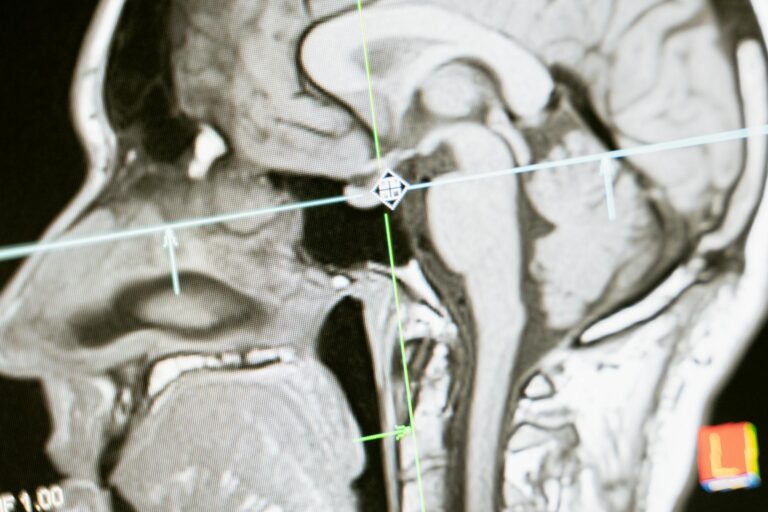
Vitamins play a big role in keeping our brains healthy, especially for people living with chronic illness. When someone has a long-term health problem, their body often needs extra support to stay strong and sharp. Vitamins can help fill in the gaps that diet or illness might leave behind.
Let’s look at how some key vitamins work for brain health:
**B Vitamins: The Brain’s Helpers**
B vitamins are like little helpers inside your brain. Vitamin B1 (thiamin) helps turn food into energy that your brain uses to think and remember things. If you don’t get enough B1, you might feel tired, forgetful, or even anxious[1][2]. Vitamin B6 is important because it helps make chemicals called neurotransmitters—these are messengers that help your mood stay balanced and your mind clear[2]. Not having enough B6 can make it harder to think clearly or feel happy.
Vitamin B12 is another star player. It keeps nerve fibers protected and helps make red blood cells that carry oxygen to the brain[1][2]. Without enough B12, people can feel confused or have trouble remembering things—this is especially true for older adults or those with chronic illnesses who may not absorb nutrients well from food[1][2].
Folate (also called vitamin B9) works closely with these other vitamins. It helps fix DNA inside cells and supports memory and thinking skills[2]. Together, these B vitamins keep the brain running smoothly.
**Vitamin D: The Sunshine Vitamin**
Vitamin D isn’t just good for bones; it also supports mood and mental health. People who don’t get enough vitamin D sometimes feel down or depressed[1]. For those with chronic illness who spend less time outside or have trouble absorbing nutrients, getting enough vitamin D from food or supplements can be extra important.
**Other Nutrients That Help**
While not technically vitamins, omega-3 fatty acids are worth mentioning because they fight inflammation in the body—a common problem in many chronic illnesses—and protect the brain from damage as we age[3][5]. Antioxidants found in fruits and vegetables also help by cleaning up harmful molecules that can hurt brain cells.
**Why This Matters for Chronic Illness**
People with ongoing health problems often face challenges like poor appetite, digestive issues, or trouble absorbing nutrients from food. This makes them more likely to run low on important vitamins needed for good mental function[1][5]. Taking care of nutrition by eating a balanced diet rich in these key nutrients—or using supplements when needed—can help keep their minds sharper and moods steadier.
In short:
Vitamins like the B group (especially thiamin/B1, pyridoxine/B6, cobalamin/B12), folate/B9), along with vitamin D and omega-3s all play special roles supporting memory, mood regulation through neurotransmitter production such as serotonin & dopamine synthesis pathways while protecting nerves against damage due either directly via myelin sheath maintenance (B12) but also indirectly via anti-inflammatory effects which reduce risk factors associated both cognitive decline & depression among chronically ill populations where nutrient absorption may be compromised over time if left unchecked without proper dietary intervention strategies tailored specifically towards individual needs based upon medical history/current status at any given point throughout treatment journey ahead!
But most importantly:
Eating well-balanced meals full of colorful fruits/vegetables plus lean proteins/dairy products fortified cereals etc., combined regular physical activity whenever possible will go far toward maintaining optimal cognitive wellness even amidst ongoing struggles faced daily by millions worldwide living successfully despite having one more multiple coexisting conditions requiring lifelong management plans designed around holistic approaches integrating both traditional medicine alongside complementary therapies including targeted supplementation under guidance licensed healthcare professionals whenever appropriate given unique circumstances each patient presents within clinical setting today tomorrow future generations come!