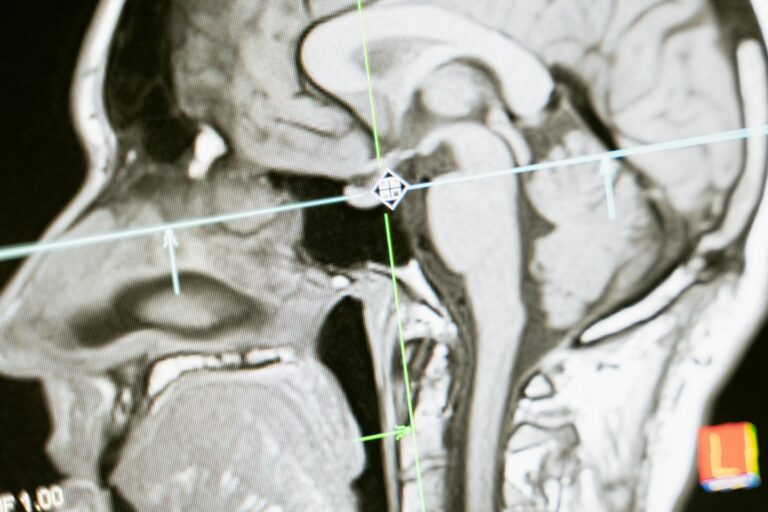
Clinical trials are playing a crucial role in advancing our understanding of dementia, a condition that affects millions worldwide. These trials are not only helping us understand the causes of dementia but also exploring new treatments and prevention strategies.
One significant area of research involves anti-amyloid drugs. These medications aim to remove amyloid plaques from the brain, which are believed to contribute to the development of Alzheimer’s disease, a common form of dementia. A recent trial using a drug called gantenerumab showed promising results in delaying the onset of Alzheimer’s symptoms in people with genetic predispositions. Although gantenerumab is no longer being developed, other similar drugs like lecanemab are being tested and have shown potential in slowing cognitive decline[1].
Another innovative approach is the use of focused ultrasound. This non-invasive technique can temporarily open the blood-brain barrier, allowing drugs to reach the brain more effectively. Clinical trials are underway to see if this method can improve the delivery of anti-amyloid antibodies and enhance cognitive function in Alzheimer’s patients[3].
Lifestyle interventions are also being studied as a way to prevent or delay dementia. The Finnish Geriatric Intervention Study to Prevent Cognitive Impairment and Disability (FINGER) demonstrated that a combination of diet, exercise, cognitive training, and managing vascular health can improve cognitive performance and reduce chronic diseases. Similar multidomain interventions are now being implemented worldwide, adapting to local cultural and socioeconomic factors[2].
Additionally, alternative therapies like Tai chi are being explored for their potential to improve cognitive function. Studies suggest that Tai chi can enhance nerve plasticity and cognitive abilities, offering a promising non-pharmacological approach to managing cognitive decline[4].
Gene therapy is another area of research, with trials investigating the use of Brain-Derived Neurotrophic Factor (BDNF) to protect brain cells from deterioration. This approach involves using a harmless virus to deliver BDNF directly into the brain, potentially slowing or preventing cell loss associated with Alzheimer’s disease[5].
In summary, clinical trials are driving progress in dementia research by exploring a wide range of treatments and prevention strategies. From anti-amyloid drugs to lifestyle interventions and innovative technologies like focused ultrasound, these studies are bringing us closer to understanding and managing dementia effectively.