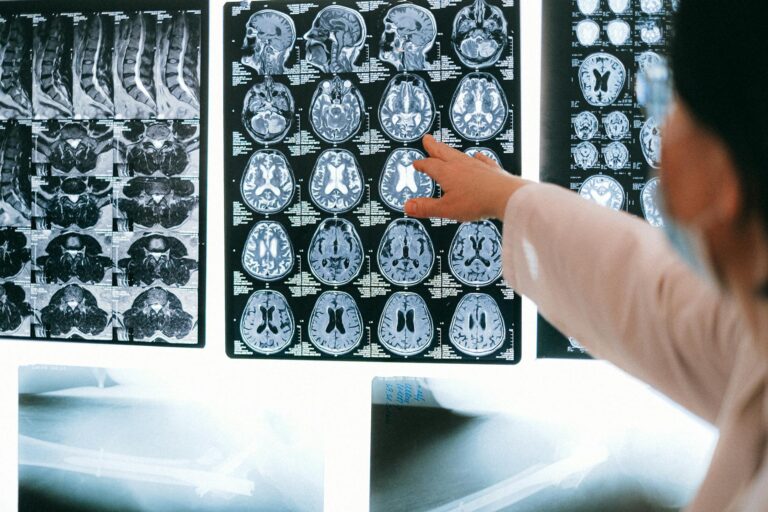
Breathing and rest play a fundamental role in resetting cognitive energy by directly influencing brain function, emotional regulation, and mental clarity. When you breathe deeply and rest properly, you provide your brain with the oxygen it needs to operate efficiently, reduce stress hormones, and activate the body’s natural relaxation systems. This combination helps clear mental fog, improve focus, and restore your ability to think creatively and make decisions.
Breathing is not just a passive process; the way you breathe can actively change how your brain works. Slow, deep breathing increases oxygen intake, which fuels brain cells and enhances cognitive functions like memory, attention, and problem-solving. When you breathe deeply, especially through your diaphragm (belly breathing), you stimulate the parasympathetic nervous system—the part of your nervous system responsible for calming your body down after stress. This activation lowers your heart rate and blood pressure, creating a state of relaxation that helps your brain reset from mental fatigue.
Rest, including short breaks and sleep, complements breathing by allowing your brain to recover from continuous cognitive effort. During rest, your brain consolidates memories, clears out metabolic waste, and balances neurotransmitters that regulate mood and alertness. Even brief pauses, when combined with mindful breathing, can reduce anxiety and improve your ability to concentrate when you return to tasks. This is because rest interrupts the buildup of stress and mental overload, giving your brain a chance to recharge.
Certain breathing techniques are especially effective at resetting cognitive energy. For example, resonance frequency breathing—breathing slowly at about six to ten breaths per minute—creates a harmonious rhythm between your heart and lungs. This synchronization promotes emotional regulation and mental clarity by balancing autonomic nervous system activity. Another technique, the physiological sigh (a double inhale through the nose followed by a long exhale through the mouth), quickly reduces acute stress and helps shift your brain out of fight-or-flight mode.
Regular practice of mindful breathing and scheduled rest periods can build resilience against cognitive fatigue over time. Just a few minutes of focused breathing daily can improve mood, reduce anxiety, and enhance your brain’s ability to manage uncertainty and complex tasks. Integrating these practices into daily routines—such as during work breaks, before stressful meetings, or as part of a bedtime ritual—helps anchor the calming effects and makes it easier to access mental calmness when needed.
In essence, breathing and rest work together to reset cognitive energy by increasing oxygen supply, calming the nervous system, and giving the brain time to recover. This combination not only improves immediate focus and decision-making but also supports long-term brain health and emotional well-being. By consciously controlling your breath and allowing yourself moments of rest, you create a powerful, natural tool to maintain mental sharpness and resilience in the face of daily challenges.