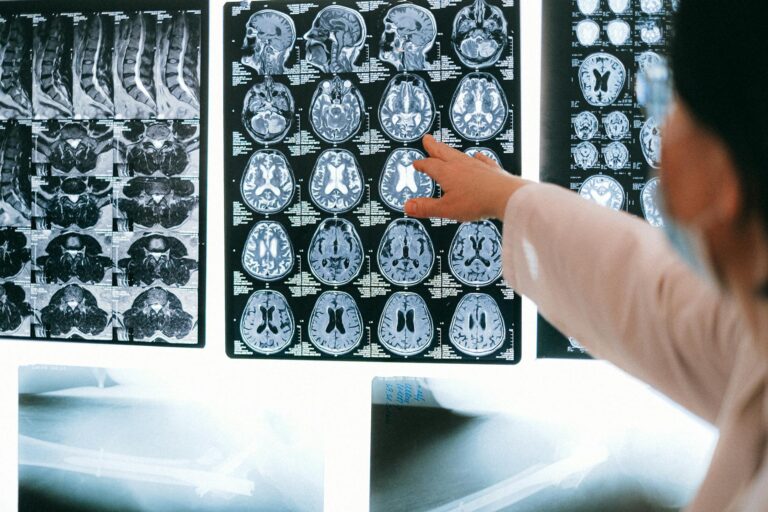
Breathing and memory loss are connected through several important biological and environmental pathways that influence brain health. The way we breathe affects oxygen supply to the brain, which is crucial for maintaining cognitive functions including memory. When breathing is impaired or disrupted, it can lead to reduced oxygen levels in the brain, inflammation, and other physiological changes that negatively impact memory.
One key connection lies in conditions like chronic obstructive pulmonary disease (COPD) and obstructive sleep apnea (OSA). COPD causes lung inflammation and reduces airflow, leading to lower oxygen delivery throughout the body including the brain. This chronic low oxygen state can cause neural damage over time, increasing risks of mild cognitive impairment and memory problems. Studies show people with COPD have a significantly higher chance of developing dementia or mild neurological decline compared to those without lung issues. Similarly, OSA involves repeated interruptions in breathing during sleep which cause intermittent drops in blood oxygen levels. This disrupts normal brain function resulting in poor concentration, daytime sleepiness, and measurable declines in memory performance.
Beyond these diseases directly affecting breathing mechanics, environmental factors related to what we breathe also play a role. Long-term exposure to air pollution—tiny particles from vehicle emissions or industrial sources—can increase dementia risk by promoting inflammation both systemically and within the brain itself. Fine particulate matter (PM2.5) penetrates deep into lungs then enters circulation causing oxidative stress that harms neurons involved with learning and recall.
On a more positive note, controlled breathing practices such as mindful meditation have been shown to improve cognitive function including short-term memory by reducing stress hormones while enhancing gray matter density—the part of the brain responsible for processing information.
The relationship between breathing quality and memory is complex but centers on how well oxygen reaches our brains along with how inflammatory processes are managed systemically:
– **Oxygen supply:** Brain cells need constant oxygen; insufficient supply due to poor lung function or interrupted breathing impairs neuron activity critical for forming memories.
– **Inflammation:** Both respiratory diseases like COPD/OSA and polluted air increase systemic inflammation which damages neural networks involved in cognition.
– **Sleep quality:** Breathing disruptions during sleep reduce restorative phases essential for consolidating memories formed during waking hours.
– **Stress regulation:** Proper breath control lowers cortisol levels improving focus needed for encoding new information into long-term storage.
In essence, healthy respiration supports optimal brain metabolism necessary for remembering facts or experiences clearly while any disruption—whether from disease states impairing airflow or external pollutants inhaled regularly—can accelerate cognitive decline manifesting as forgetfulness or difficulty concentrating over time.
Taking care of your lungs by avoiding smoking pollutants; managing conditions like asthma; practicing good sleep hygiene; engaging in relaxation techniques involving deep slow breaths—all contribute toward preserving mental sharpness across life’s span because every breath you take literally fuels your mind’s ability to remember what matters most.