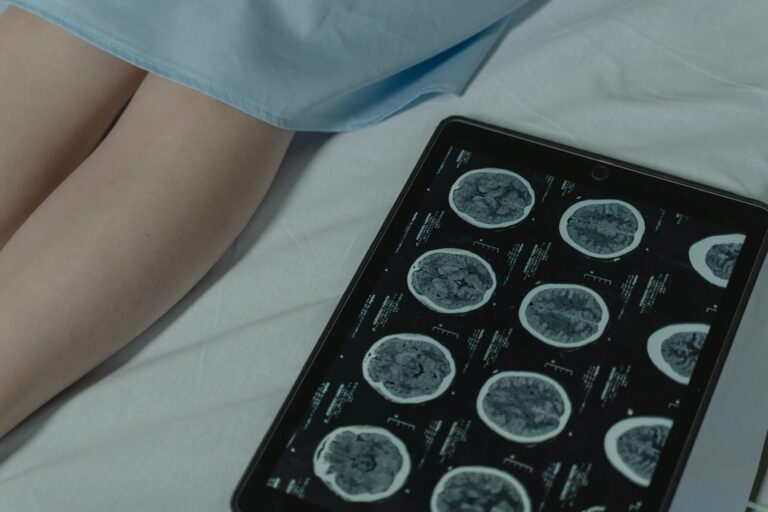
Artificial intelligence is revolutionizing the way we diagnose dementia, a condition that affects millions worldwide. Dementia is characterized by progressive cognitive decline, memory loss, and behavioral changes, but current diagnostic methods often rely on invasive procedures and expensive imaging, leading to misdiagnoses and delayed treatment.
### AI in Dementia Diagnosis
Artificial intelligence is changing this landscape by providing more accurate and early detection methods. Companies like IGC Pharma are developing AI models that analyze vast clinical datasets, including neuroimaging biomarkers, cognitive assessments, and genetic risk factors. These models use deep learning algorithms to distinguish between different diseases causing dementia, reducing false negatives and misdiagnoses. This approach enables a more precise and scalable diagnostic framework, ensuring patients receive the right treatment at the right time.
### Non-Invasive Methods
Researchers have also developed AI tools that analyze brain wave patterns during sleep to predict cognitive decline years before symptoms appear. This non-invasive method assesses risk factors well in advance, allowing for early interventions such as lifestyle changes or participation in clinical trials.
Another innovative approach involves using AI to analyze eye scans. The AI tool Quartz can identify differences in retinal blood vessels linked to cognitive health, providing a quick and low-cost way to flag individuals at risk of dementia. This method could be integrated into routine eye tests at opticians, making early detection more accessible.
### Future of AI in Dementia
The integration of AI in dementia diagnosis is part of a broader trend in leveraging technology to tackle complex medical challenges. From predicting cognitive decline to identifying new drug targets, AI is proving to be a game-changer in healthcare. As technology continues to evolve, early detection and prevention may become the new frontier in the fight against Alzheimer’s and dementia. These advancements offer hope for millions of families affected by cognitive decline, promising better patient outcomes and more effective care strategies.