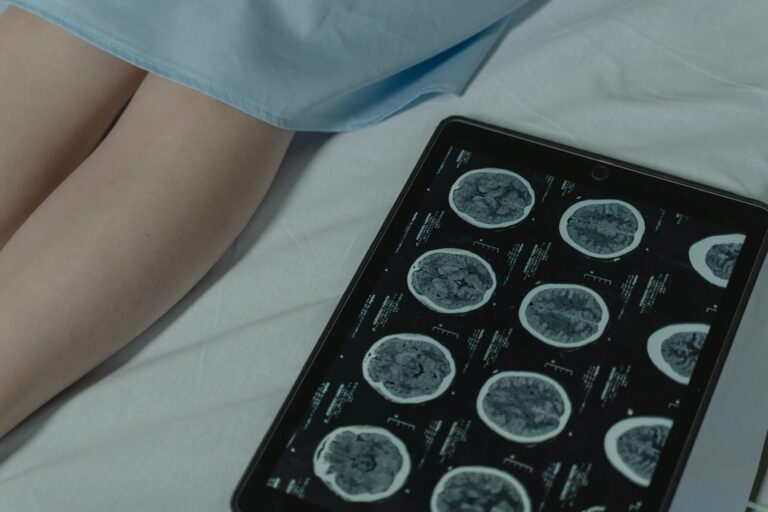
Exploring Robotics in Modern Dementia Care
In recent years, robotics has emerged as a promising tool in the care of individuals with dementia. These innovative machines are not only assisting caregivers but also providing emotional support and improving the quality of life for those affected by this condition.
### How Robots Assist in Dementia Care
Robots are being used in various ways to support dementia care. One of the most notable examples is the Paro robot, a therapeutic baby harp seal robot developed in Japan. Paro has been widely adopted in countries like Denmark and is used to provide emotional comfort and reduce stress in patients with dementia. By interacting with these robots, patients experience a sense of companionship, which can help alleviate symptoms of loneliness and agitation.
Robots are also being utilized to assist with daily tasks and monitoring. For instance, some robots can remind patients to take medication or perform routine activities, helping them maintain a sense of independence. Additionally, robots can monitor patients’ vital signs and alert caregivers if any issues arise, ensuring timely intervention.
### Benefits of Robotics in Dementia Care
The integration of robots into dementia care offers several benefits. Firstly, they help reduce the workload of caregivers by automating routine tasks, allowing caregivers to focus more on providing personalized care. Secondly, robots can provide consistent and reliable support, which is particularly important in settings where human caregivers may not always be available.
Moreover, robots like Paro have been shown to reduce behavioral symptoms such as wandering and agitation in older adults. This not only improves the patient’s quality of life but also reduces the risk of falls and other accidents.
### Future of Robotics in Dementia Care
As technology continues to advance, we can expect to see even more sophisticated robots being developed for dementia care. Future robots may be equipped with advanced AI capabilities, enabling them to learn and adapt to individual patient needs more effectively.
However, it is crucial to remember that while robots can provide valuable support, they should not replace human caregivers entirely. The emotional and social aspects of care that humans provide are irreplaceable, and robots should be seen as complementary tools rather than substitutes.
In conclusion, robotics is playing an increasingly important role in modern dementia care. By providing emotional support, assisting with daily tasks, and improving patient safety, robots are helping to create a more compassionate and efficient care system. As we move forward, it will be exciting to see how these technologies continue to evolve and enhance the lives of those affected by dementia.