Emotional Changes in Dementia Explained
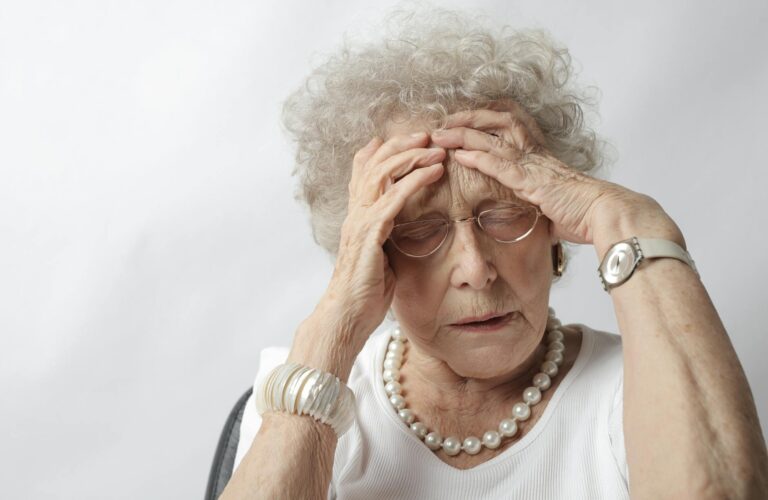
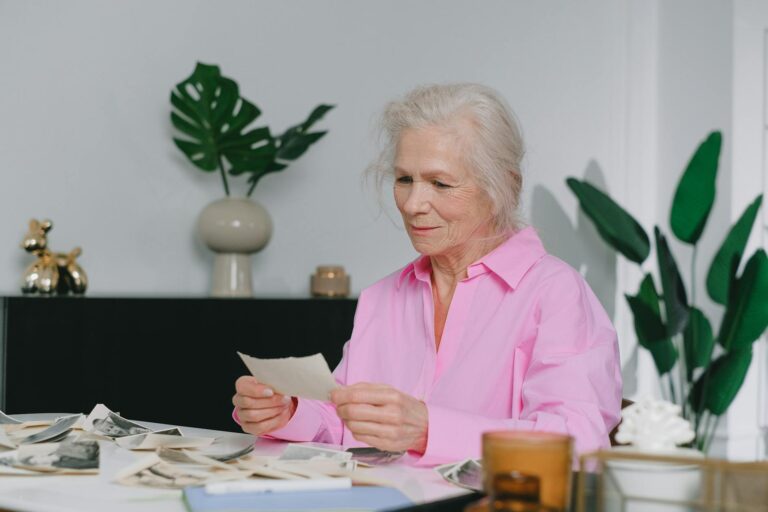
Dementia affects more than just memory. It often brings big shifts in how people feel and act. These emotional changes can show up early, sometimes before other signs like forgetting things. Family members might notice someone getting unusually upset, pulling away from friends, or seeming less like their old self.
One common change is mood swings. A person might feel anxious, irritable, or sad without a clear reason. These feelings can come on fast and feel stronger than normal ups and downs from aging or stress.[1][2] For example, small daily frustrations that used to be no big deal might lead to anger or tears. Irritability happens in 35 to 54 percent of people with dementia, and it often gets worse as the disease goes on.[4]
Anxiety and depression are also frequent. Up to 65 percent of people with dementia feel anxious, often mixed with sadness or restlessness.[4] Depression might appear before memory issues, making someone withdraw from hobbies or social events.[1][2] They may avoid friends because talking feels tiring or confusing, a sign called cognitive fatigue.[1]
Apathy stands out as the most common emotional shift. It hits 48 to 92 percent of patients, starting early and staying steady.[4] Apathy means losing interest in activities, showing less affection, or lacking drive. It is not laziness. The brain changes make it hard to start or enjoy things once loved.[1][4]
Personality changes add to the mix. Someone outgoing might turn quiet and suspicious. They could make odd choices, like spending too much or ignoring hygiene.[1][2] These shifts happen because the brain areas handling emotions and judgment are affected.
Recent studies link certain midlife feelings to higher dementia risk years later. Six key signs from depression in people under 60 include losing self-confidence, trouble facing problems, less warmth toward others, constant nervousness, dissatisfaction with tasks, and poor concentration.[3][5][6] Loss of confidence is the strongest link, raising risk by about 50 percent.[3][5] These might signal early brain changes that cut social ties and mental sharpness over time.[3]
In younger people, under 60, dementia signs like these often get mistaken for stress.[1] Men and women might show them differently, such as behavior changes or mood dips. Spotting them early helps. Regular or worsening emotions like these call for a doctor visit.[1][7]
These changes strain relationships but support exists. Caregivers learn ways to respond calmly and encourage simple joys.
Sources
https://www.e4aonline.com/understanding-early-signs-dementia/
https://www.elder.org/articles/dementia-care/what-are-the-early-signs-of-dementia/
https://www.news-medical.net/news/20251215/Six-midlife-depressive-symptoms-linked-to-dementia-decades-later.aspx
https://www.consultant360.com/articles/behavioral-and-psychological-symptoms-dementia-part-i-epidemiology-neurobiology
https://www.psychiatrist.com/news/six-midlife-depression-signs-tied-to-later-dementia-risk/
https://baptisthealth.net/baptist-health-news/depression-at-midlife-can-raise-risk-of-dementia-later
https://corsoatlanta.com/blog/recognizing-the-early-signs-of-dementia-when-to-seek-support/
https://nyneurologists.com/blog/6-common-signs-of-dementia