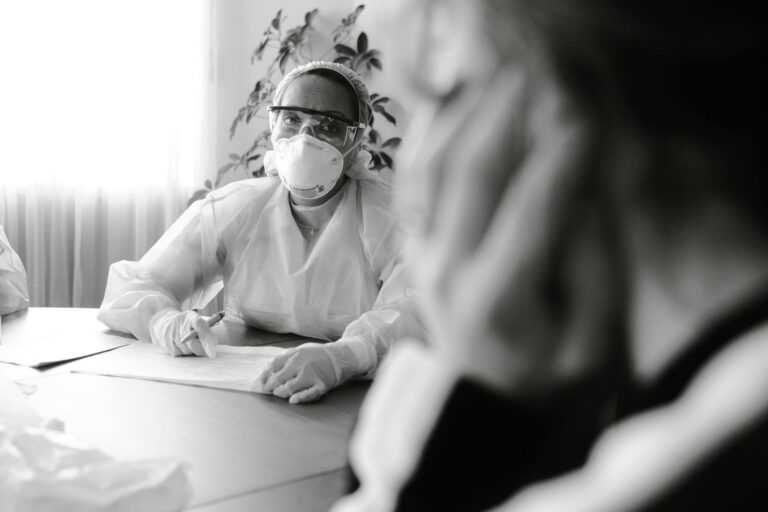
Effective communication is crucial when working with individuals who have dementia. It helps reduce anxiety, builds trust, and enhances interactions between caregivers and patients. Here are some effective strategies nurses can use:
First, **create a supportive environment**. This means reducing distractions and ensuring the space is quiet and well-lit. Approach the patient from the front, so they can see you coming, which helps prevent anxiety or aggression[2][4].
**Introduce yourself** clearly and address the patient by name. This helps them recognize you and feel more comfortable[4]. Maintain good eye contact to build trust and show you are engaged in the conversation[5].
**Use simple language** and speak clearly. Avoid using complex sentences or jargon that might confuse the patient. Instead, focus on short, straightforward sentences[1][5].
**Listen carefully** and anticipate any misunderstandings. If the patient struggles to find the right words, gently help them without correcting them too much[4].
**Focus on one idea at a time**. People with dementia often have difficulty processing multiple thoughts simultaneously, so keep conversations simple and focused[4].
**Avoid testing their memory** by asking if they remember specific events. Instead, encourage reminiscing in a positive way[4].
**Use non-verbal cues** like gestures, facial expressions, and touch to convey messages. A warm smile or a nod can be just as effective as words[4].
By implementing these strategies, nurses can improve communication with dementia patients, making interactions more positive and effective.