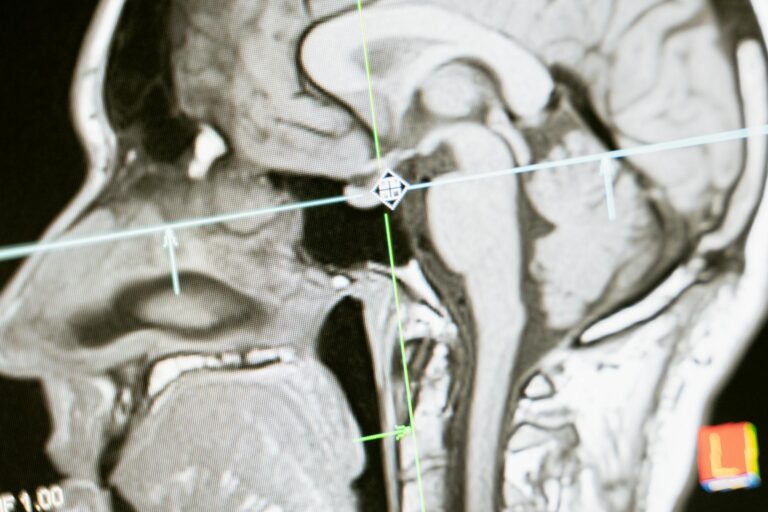
Dopamine agonists play a crucial role in the treatment of Parkinson’s disease, a neurodegenerative disorder characterized by the loss of dopamine-producing cells in the brain. This loss leads to symptoms such as tremors, stiffness, and difficulty with movement and balance.
### Understanding Dopamine Agonists
Dopamine agonists are medications that mimic the action of dopamine, a neurotransmitter that helps regulate movement. By activating dopamine receptors in the brain, these drugs can help alleviate symptoms of Parkinson’s disease. They are often used as an alternative or complement to levodopa, the most commonly used treatment for Parkinson’s.
### Types of Dopamine Agonists
There are two main types of dopamine agonists: ergot and non-ergot. Ergot agonists, such as cabergoline and bromocriptine, were once widely used but have largely been replaced due to serious side effects like heart valve problems. Non-ergot agonists, including pramipexole and ropinirole, are safer and more commonly prescribed today. They are effective in both early and late stages of Parkinson’s disease.
### Benefits and Side Effects
Dopamine agonists can help reduce motor fluctuations and dyskinesia, which are common issues with long-term levodopa use. However, they can cause side effects such as fatigue, daytime sleepiness, and hallucinations. In some cases, they may lead to impulse control disorders, especially after prolonged use.
### Use in Treatment
Dopamine agonists are particularly useful for managing symptoms in younger patients or those with mild to moderate Parkinson’s. They can also be used alongside levodopa to enhance its effectiveness and reduce “off” time, periods when levodopa’s effects wear off and symptoms return.
In summary, dopamine agonists are valuable in managing Parkinson’s disease by providing symptom relief and potentially reducing the need for higher doses of levodopa. However, their use must be carefully managed due to potential side effects.