Can Untreated Depression Mimic Dementia?
Many people worry about memory slips or confusion as signs of dementia, but untreated depression can create very similar problems. Doctors call this pseudodementia, where depression tricks the brain into acting like dementia without the permanent damage.[1][2]
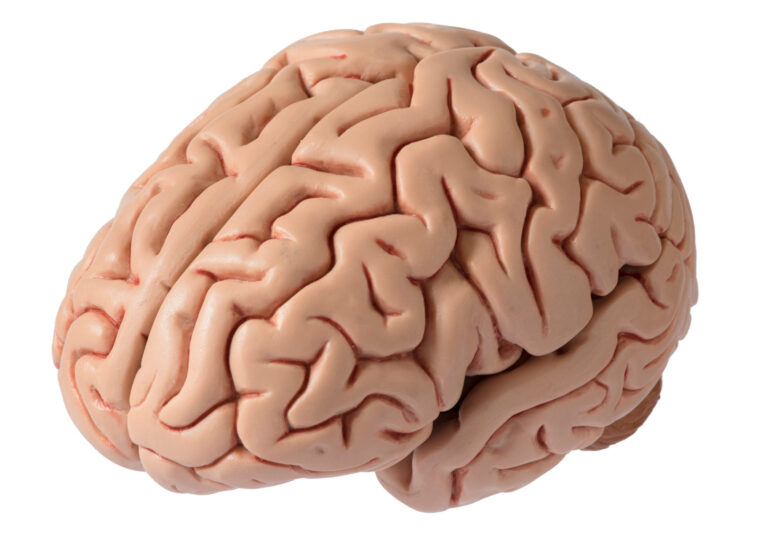
Picture this: You forget why you walked into a room, struggle to follow a conversation, or feel lost in daily tasks. These are classic dementia fears, but depression often causes the same brain fog. Research shows depression hits key brain areas hard. The hippocampus, which turns short-term memories into long-term ones, can shrink from chronic untreated depression because it stops growing new neurons.[2] The prefrontal cortex, up front and in charge of focus and decisions, also slows down, making everything feel hazy.[2]
Unlike real dementia, which creeps in slowly over years, depression-related issues hit fast. People with depression usually notice their memory gaps right away and feel upset about them. They might bomb a memory test not because they cannot remember, but because they lack the energy or focus to try.[1][2] For details on this link, see studies at https://www.abhasa.in/articles/depression-and-memory-loss/.[1]
The big worry is leaving depression untreated. A long-term study over 16 years found depression symptoms often come before memory decline, and severe cases speed it up.[1] Another report notes untreated depression raises real dementia risk later, especially in midlife or older adults.[4] Even alone, depression links to 41 percent higher dementia odds.[6]
Treating depression changes everything. When symptoms lift, memory, attention, and thinking sharpen up. Antidepressants and talk therapies like CBT help grow new brain connections and boost neuron growth.[1] I have seen cases where full cognitive fixes happen after treatment.[4] For more on brain protection habits, check https://jakegoodmanmd.substack.com/p/the-boring-habits-that-actually-protect.[4]
Spotting the difference matters. Dementia patients often hide their shortfalls or seem unaware, while depressed folks complain loudly. Dementia progresses no matter what, but depression memory loss fades with care.[2] Older adults face extra overlap, with depression showing in up to half of dementia cases, but it can stand alone.[3]
Everyday signs blend too: withdrawal, irritability, poor focus, or apathy. These pop up in both, but depression adds deep sadness or hopelessness that dementia might not.[7] Learn elder mental health cues at https://www.archbold.org/articles/2026/january/how-to-spot-signs-of-mental-illness-in-the-elder/.[7]
Early checks with a doctor rule out mixes like insomnia, which piles on dementia risk with depression.[6] Quick action keeps temporary fog from turning permanent.
Sources
https://www.abhasa.in/articles/depression-and-memory-loss/
https://safesoundtreatment.com/does-depression-cause-memory-loss/
https://www.consultant360.com/articles/behavioral-and-psychological-symptoms-dementia-part-i-epidemiology-neurobiology
https://jakegoodmanmd.substack.com/p/the-boring-habits-that-actually-protect
https://en.wikipedia.org/wiki/Dementia
https://sleepreviewmag.com/sleep-disorders/insomnia/insomnia-depression-compound-dementia-risk-study-finds/
https://www.archbold.org/articles/2026/january/how-to-spot-signs-of-mental-illness-in-the-elder/
https://marbellaanaheim.seniorlivingnearme.com/resources/grief-vs.-depression-how-to-recognize-the-differences