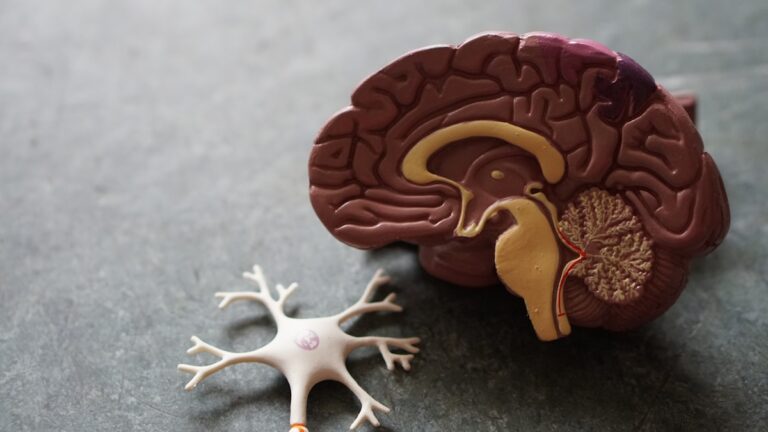
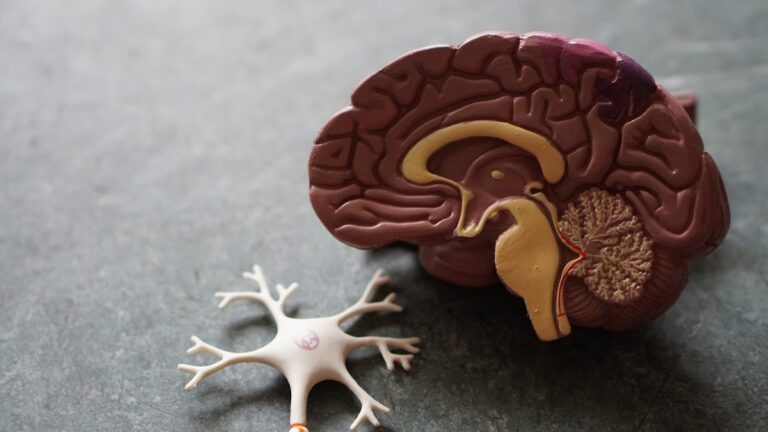
Repeated alcohol withdrawal can damage memory, and some of that damage can become permanent, but not everyone is affected in the same way. How often a person withdraws, how heavily they drink, their nutrition, and their overall health all shape whether memory problems fully heal, partially improve, or stay for life.
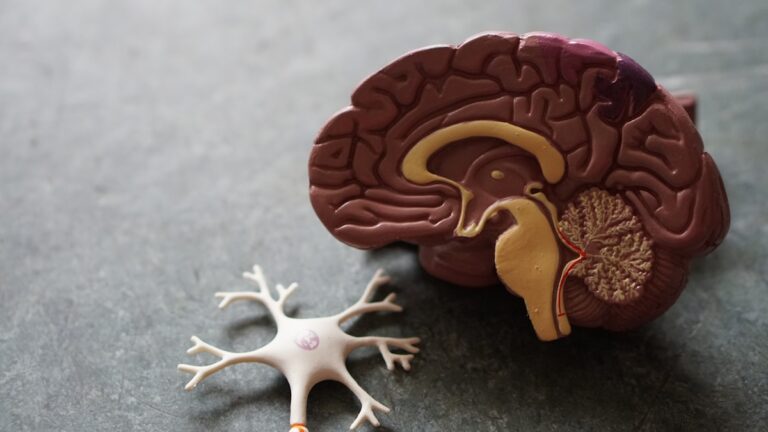
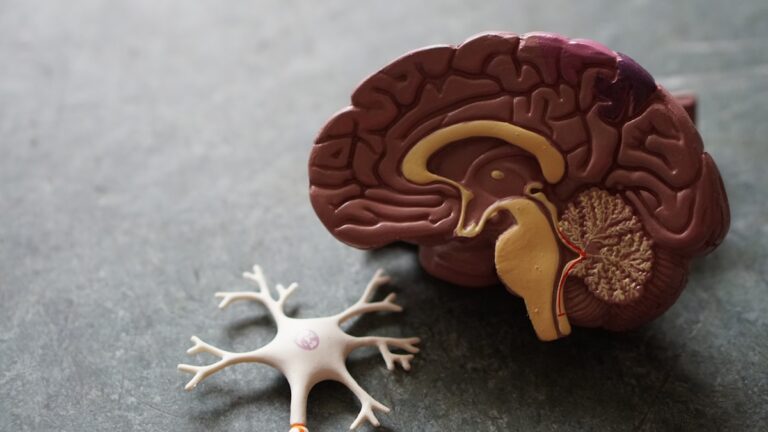
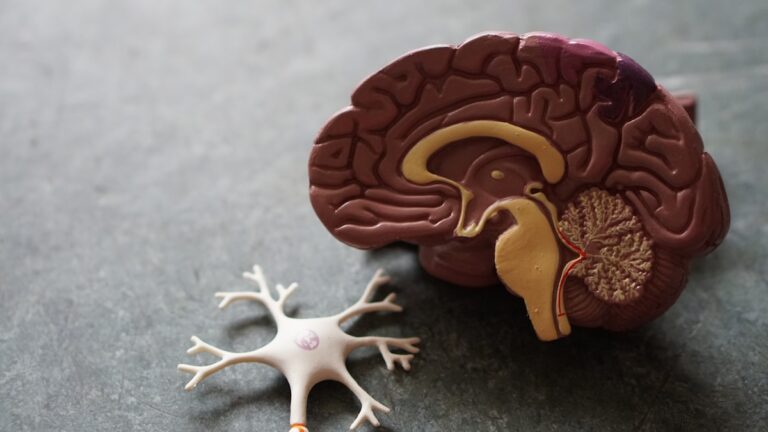
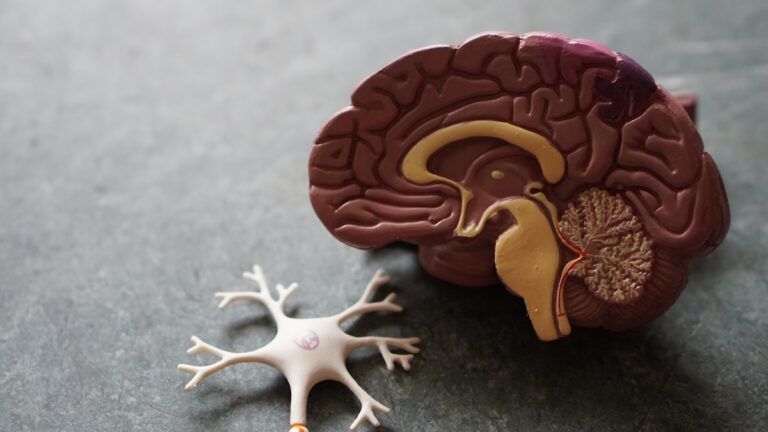
Alcohol has powerful effects on the brain areas that handle learning and memory. The hippocampus, which helps form new memories, and the prefrontal cortex, which supports planning, attention, and decision making, are especially sensitive to alcohol’s toxic effects and to the stress that comes with withdrawal. Heavy, long term drinking can shrink brain tissue in these regions and weaken the connections between brain cells, which shows up as trouble learning new information, remembering conversations, or organizing daily tasks. Over years, these structural changes can become partly or completely irreversible in some people, especially if the drinking continues. https://brightfuturestreatment.com/what-is-the-connection-between-substance-abuse-and-memory-impairment/ https://casacaprirecovery.com/blog/how-does-alcohol-affect-the-brain/
Withdrawal itself is another major source of harm. Each time a person who drinks heavily suddenly stops, the brain goes through a period of intense imbalance. Alcohol acts like a brake on the nervous system. Over time, the brain adapts by turning up its excitatory systems to keep things in balance. When alcohol is suddenly removed, that brake disappears but the extra excitatory activity remains. This rebound effect causes the classic withdrawal symptoms such as anxiety, shaking, sweating, and in severe cases seizures or delirium tremens. Repeated cycles of this extreme stress can injure brain cells and worsen problems with thinking and memory, especially if seizures or untreated severe withdrawal episodes occur. https://www.innovodetox.com/addiction/alcohol/
People who drink heavily for years often notice blackouts and memory gaps even before they try to quit. These blackouts happen because alcohol disrupts the brain’s ability to store new memories while the person is intoxicated. Over time, frequent blackouts usually mean that brain regions responsible for memory are under serious strain. Treatment centers and medical sources point out that memory lapses and blackouts are common in alcohol addiction and are a warning sign that deeper cognitive problems may be developing. https://casacaprirecovery.com/blog/how-does-alcohol-affect-the-brain/ https://www.innovodetox.com/addiction/alcohol/
One of the clearest examples of permanent alcohol related memory damage is Wernicke Korsakoff syndrome, sometimes called alcohol dementia. This condition is strongly linked to long term heavy drinking combined with a serious lack of vitamin B1, also known as thiamine. It typically develops after years of misuse and shows up as confusion, severe short term memory loss, and sometimes hallucinations and movement problems. Even with treatment, many people with Wernicke Korsakoff are left with lasting memory problems, and a portion of people with alcohol addiction will go on to develop this disorder. https://www.addictioncenter.com/alcohol/end-stage-alcoholism/ https://www.innovodetox.com/addiction/alcohol/
Repeated withdrawal can increase the risk of such severe complications for a few reasons. Every withdrawal episode often comes with poor sleep, high stress hormones, changes in blood pressure, and sometimes bad nutrition or dehydration. Over and over, these shocks can add up. For people who go through multiple detoxes without long term recovery, doctors sometimes talk about a kindling effect. With each cycle, withdrawal may become more intense and more dangerous, which in turn can raise the chance of brain injury, seizures, and cognitive decline. While not everyone who relapses and withdraws many times will develop permanent memory loss, the overall risk grows with each episode, especially without medical supervision or vitamin support.
At the same time, research and clinical reports also show that the brain has a real capacity to heal if alcohol use stops early enough. When someone quits and stays sober, the brain can rebuild some connections, restore more normal chemical balance, and even regain some lost volume over time. Treatment centers that track recovery note that many people see improvements in concentration, mood, and memory over several months of sobriety, especially when they receive good nutrition, thiamine replacement, sleep support, and therapy. Some long term cognitive changes can remain, but the overall picture is often one of partial recovery rather than unchanging damage, particularly in people who stop drinking before very advanced disease appears. https://brightfuturestreatment.com/what-is-the-connection-between-substance-abuse-and-memory-impairment/
Whether memory problems become permanent after repeated withdrawal depends on several personal and medical factors:
How long and how heavily the person has been drinking. Years of heavy daily drinking are far more likely to cause lasting harm than shorter periods of use.
The severity and number of withdrawal episodes. Repeated severe withdrawals, especially with seizures or delirium tremens, are more dangerous than a single mild withdrawal managed in a medical setting. https://www.innovodetox.com/addiction/alcohol/
Nutrition and vitamin status. People who drink heavily often have poor diets. Lack of thiamine and other nutrients greatly increases the risk of permanent brain damage, so early vitamin replacement is critical. https://journeyhillside.com/news/what-does-an-alcoholic-look-like/
Age and general health. Older adults and those with other brain or vascular problems