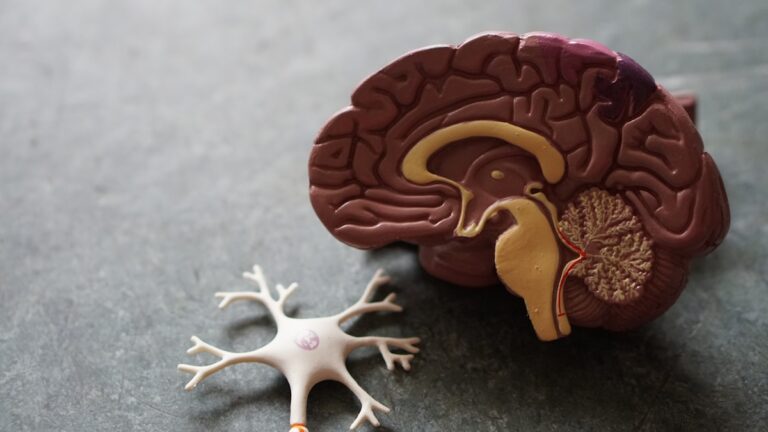
Reducing red meat intake, especially processed red meat, can help protect brain health by lowering the risk of cognitive decline and neurodegenerative diseases. Processed red meats like sausages, bacon, and salami have been linked to increased inflammation and oxidative stress in the brain, which are factors that contribute to dementia and Alzheimer’s disease. Studies have shown that even small amounts of processed meat daily can raise the risk of developing dementia significantly. This is thought to be due to preservatives, nitrates, and high salt content commonly found in processed meats, which negatively affect brain cells over time.
On the other hand, lean red meat consumed as part of a balanced, high-quality diet may support brain health by providing essential nutrients such as vitamin B-12, zinc, selenium, and choline. These nutrients are crucial for memory, mood regulation, muscle control, and overall cognitive function. Red meat can also contribute to a diverse and healthy gut microbiota, which plays a role in producing neurotransmitters like serotonin and dopamine that influence mood and cognitive resilience.
The key distinction lies in the type and quality of red meat consumed. While processed red meat is associated with higher risks of neurodegenerative diseases, unprocessed lean red meat within a nutrient-rich diet does not show the same harmful effects and may even offer mental health benefits. Diets rich in vegetables, fruits, whole grains, nuts, legumes, and unsaturated fats, combined with reduced intake of processed and excessive red meat, tend to slow down the progression of chronic diseases including dementia and cardiovascular conditions.
In summary, cutting down on processed red meat is advisable for brain health protection, while moderate consumption of lean red meat within a balanced diet can provide important nutrients that support cognitive function and mental well-being. The overall dietary pattern, emphasizing anti-inflammatory and nutrient-dense foods, plays a crucial role in maintaining brain health as we age.