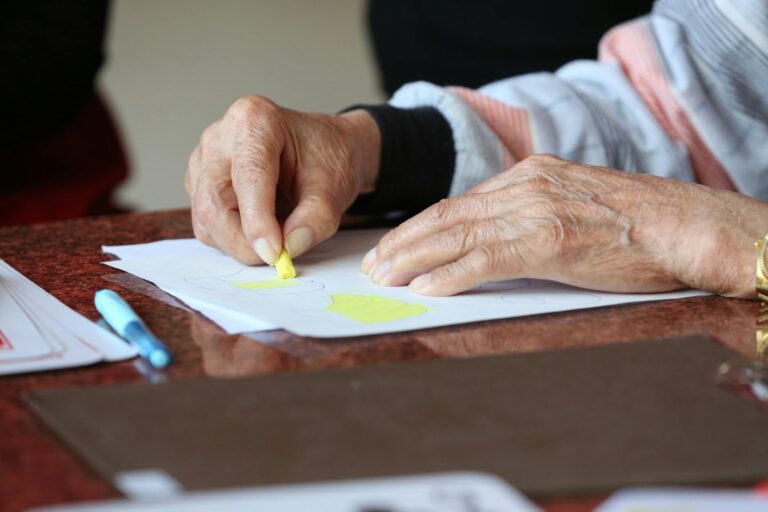
Radiation therapy is an important treatment for many cancers, but it naturally raises questions about long term effects on the brain, thinking, and memory. Whether radiation affects memory permanently depends on several factors, especially where the radiation is aimed, the total dose, how long treatment lasts, and the person’s age and overall health.
Radiation does not automatically cause permanent memory loss in everyone. Many people have only temporary thinking and memory changes that slowly improve after treatment ends. However, for some patients, especially those who receive radiation to the brain, there can be lasting or even permanent changes in memory and other mental skills.
How radiation therapy can affect memory
Radiation works by damaging the DNA of cancer cells so they can no longer grow. Normal tissues in the treatment area are also exposed and can be affected. In the brain, radiation can irritate or injure healthy nerve cells and the small blood vessels that support them. Over time this can interfere with how brain networks communicate, which can show up as problems with:
• short term memory
• learning new information
• attention and concentration
• processing speed, or how quickly you think
• planning, organizing, and problem solving
A rehabilitation review from the American Academy of Physical Medicine and Rehabilitation notes that cognitive changes in memory, attention, and executive function after cancer treatment may be transient or persistent, depending on dose and type of therapy[3]. This means that for some people the brain recovers well, while for others the changes last much longer.
Radiation to the brain and long term cognitive effects
The risk of lasting memory problems is greatest when radiation is directed at the brain itself. Whole brain radiation, which treats the entire brain, is particularly linked with cognitive side effects over time. Clinical guidance for whole brain external beam radiotherapy describes late side effects that can appear months to years after treatment and may be permanent, including problems with immediate memory, delayed memory, and verbal fluency[1]. These later effects are not the same as short term fatigue or “fog” during treatment. They can continue or slowly progress long after therapy is finished.
Studies comparing whole brain radiation to more focused approaches like stereotactic radiosurgery have found that people who received whole brain treatment were more likely to have measurable deterioration in memory tests a few months after therapy[1]. This is one reason why doctors now try, when possible, to limit how much normal brain tissue is exposed.
Age and development: children and young brains
Children, especially very young ones, are more vulnerable to long term effects of brain radiation than adults. Cancer Research UK explains that children under 3 who receive radiotherapy to the brain are more likely to have changes in how their brain works later on, including learning and thinking skills[5]. Many children treated for brain tumours have ongoing problems with:
• learning new skills and ideas
• short term memory
• problem solving
• keeping up with schoolwork compared with before treatment[5]
These issues can be permanent for some children, and a portion will need extra educational support or special schooling[5]. Because the central nervous system is still developing at a young age, radiation can interfere with normal brain growth, which makes permanent changes more likely. This is why doctors are constantly researching ways to lower doses, use more targeted methods, or delay radiation in very young children when it is safe to do so[5].
Temporary versus permanent changes
Not all radiation related memory problems are permanent. Side effects are usually grouped into:
• Acute effects: during treatment or right after, such as fatigue and temporary “brain fog”
• Early delayed effects: up to about 3 months after treatment, which may include short term memory and attention issues
• Late delayed effects: more than 3 months after treatment, which can be slowly progressive and are more likely to be permanent if they appear[3]
In many people, early memory and concentration problems improve over several months after treatment ends as the brain recovers, inflammation settles, and the body adjusts. A general article on radiation recovery notes that some effects are temporary and fade with time, while others reflect permanent tissue changes such as scarring that can affect long term health[4]. When radiation affects brain structures involved in memory, those permanent tissue changes can translate into ongoing cognitive limitations.
It is also important to remember that cancer treatment is often combined. Surgery, chemotherapy, targeted drugs, hormonal therapy, steroids, and the emotional stress of cancer can all influence memory and thinking, sometimes alongside radiation. For example, “chemo brain,” a term many patients use, describes difficulties with memory, focus, and problem solving after chemotherapy, which can last months and occasionally longer[6]. Fatigue, poor sleep, anxiety, depression, and pain all add to the burden on the brain. So when a person notices memory problems, radiation is usually one of several contributing factors.
Radiation outside the brain
If radiation is directed at parts of the body away from the brain, such as the breast, prostate, or limbs, it is much less likely to cause direct memory problems. The brain is not in the beam path, so it does not receive a significant dose. However, whole person factors like fatigue, poor sleep, chronic pain, or hormonal changes from treatment can still indirectly affect concentration and memory.
Long term nerve damage from radiation in other areas, like radiation induced brachial plexopathy in the shoulder region, can be irreversible[3]. This is an example of how some nerve tissues are very sensitive to late radiation injury. But these problems usually produce physical symptoms such as weakness or numbness, not memory loss.
Newer techniques and efforts to protect memory
Modern radiation oncology constantly works to reduce long term cognitive side effects while still controlling cancer. Techniques include:
• more precise targeting so that less normal brain tissue is exposed
• limiting or avoiding whole brain radiation when focused treatment is an option
• adjusting total dose and number of treatments
• exploring different radiation types, such as proton therapy, which can limit dose outside the target in some cases
A contemporary review of proton versus photon radiotherapy highlights ongoing trials that specifically measure long term neurocognitive outcomes, including verbal and working memory, attention, and processing speed, to see whether certain technologies can better preserve mental function over 5 years or more[2]. The goal of such research is to treat the cancer effectively while reducing the chances of permanent memory and thinking problems.
In children, there is active research aimed at lowering the number who are permanently affected by treatment, including radiotherapy[5]. This may involve careful planning to avoid critical brain regions when possible, combining radiation with other therapies, and providing early educational and rehabilitative support.
Living with and managing memory changes
If someone notices memory or thinking changes during or after radiation, it is important to talk to the treatment team. Early recognition allows for assessment and support. Depending on the situation, the care team might:
• review imaging to make sure there is no tumour progression, stroke, or other problem
• adjust medications that may worsen confusion, such as certain pain or sleep drugs
• refer to neuropsychological testing to measure specific strengths and weaknesses
• recommend cognitive rehabilitation, which is a kind of “therapy for the brain”
• suggest practical strategies, like planners, reminders, and routines to stay organized
A rehabilitation focused article emphasizes that cognitive changes after cancer therapy can benefit from early referral for rehabilitation interventions[3].