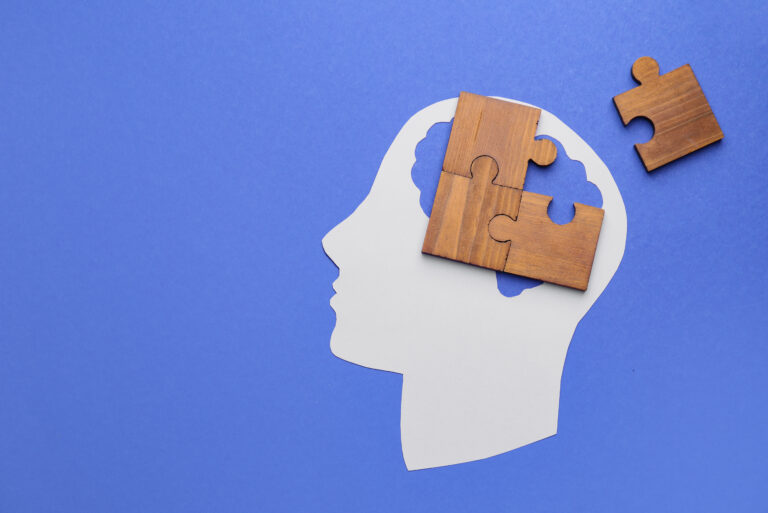
Problem-solving training can play a meaningful role in helping to prevent or delay the onset of dementia by actively engaging and stimulating the brain. Dementia is characterized by a decline in cognitive functions such as memory, reasoning, attention, and problem-solving abilities. Since these faculties deteriorate over time with age or disease, keeping the brain challenged through problem-solving exercises helps maintain neural connections and promotes brain plasticity—the ability of the brain to adapt and form new pathways.
Engaging regularly in activities that require critical thinking, planning, and decision-making—like playing chess or solving puzzles—can strengthen executive functions that are often impaired early in dementia. Chess is an excellent example because it demands rational thinking and strategic problem-solving while also encouraging social interaction. Social engagement itself has been linked to lower risks of cognitive decline since it stimulates multiple areas of the brain simultaneously.
Beyond purely mental exercises, combining physical activity with cognitive challenges—known as dual-task training—is particularly effective for dementia prevention. This approach involves performing two tasks at once that require both mental focus and physical movement; for instance, walking while having a conversation or doing balance exercises while solving simple math problems mentally. Such dual-task activities force the brain to coordinate information processing with motor control simultaneously, activating key regions like the prefrontal cortex which governs executive function.
Research shows that consistent practice of dual-task training not only improves memory, attention, problem-solving skills, balance, and gait speed but may also reduce harmful proteins associated with Alzheimer’s disease pathology. The simultaneous demand on multiple neural networks strengthens synaptic connections across different parts of the brain leading to improved neuroplasticity—a crucial factor in maintaining cognitive health as we age.
In addition to structured games or formal dual-task exercises:
– Everyday activities like crosswords, sudoku puzzles, memory games help build synaptic networks essential for cognition.
– Maintaining good sleep hygiene supports memory consolidation processes vital for learning new information.
– Socializing regularly provides emotional support alongside cognitive stimulation.
– Physical exercise alone boosts blood flow to the brain but when combined with mental tasks yields even greater benefits.
The key idea behind all these methods is *active engagement* rather than passive consumption; simply watching TV or listening without interaction does not provide enough challenge for lasting benefit. Problem-solving training encourages your mind to work harder by requiring you to analyze situations from different angles rather than relying on automatic responses.
Working memory—the ability to hold information temporarily while manipulating it—is central here because it underpins most complex thought processes including reasoning through problems step-by-step. Improving working memory through targeted challenges enhances your capacity not just for solving puzzles but managing daily life tasks effectively too.
While no single activity guarantees complete protection against dementia due to its multifactorial nature involving genetics and lifestyle factors beyond cognition alone—it is clear that regular problem-solving training forms an important part of a holistic approach toward maintaining mental sharpness into old age.
Ultimately this means incorporating enjoyable yet challenging pursuits into daily routines: playing strategy games like chess; practicing multitasking movements paired with mental calculations; engaging socially around intellectually stimulating topics; tackling crossword puzzles consistently—all contribute cumulatively toward building resilience against cognitive decline over time without overwhelming complexity or cost barriers.
By making these habits part of everyday life you create an environment where your brain stays active across multiple domains: logical reasoning skills sharpened by puzzle solving; attention sustained during conversations combined with movement; memories reinforced during restful sleep cycles supported by healthy lifestyle choices—all converging toward reducing risk factors associated with dementia development years down the line.