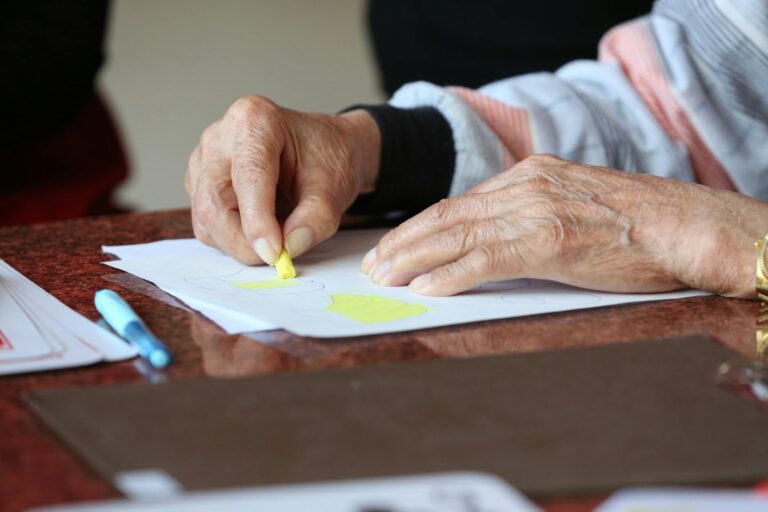
Physical therapy can significantly help dementia patients walk better by improving their strength, balance, coordination, and overall mobility. Dementia often affects motor skills and increases the risk of falls due to impaired cognitive function combined with physical decline. Targeted physical therapy interventions are designed to address these challenges by focusing on exercises that enhance walking stability and reduce fall risk.
Walking difficulties in dementia arise from a combination of muscle weakness, poor balance, slowed reflexes, and cognitive impairments that affect spatial awareness and motor planning. Physical therapists work with patients through tailored exercise programs that may include strength training for leg muscles, balance exercises such as standing on one foot or using support devices safely, gait training to improve walking patterns, and endurance activities like supervised walking sessions. These therapies help maintain or restore the ability to walk more steadily and confidently.
Moreover, physical activity stimulates brain health in ways particularly beneficial for people with dementia. Exercise promotes neuroplasticity—the brain’s ability to reorganize itself—and helps regulate inflammation in the nervous system. This creates a better environment for preserving cognitive functions related to movement control. For example, forms of walking like Nordic walking engage both upper and lower body muscles actively while providing stability through poles; this has been shown not only to improve physical fitness but also cognitive function in older adults including those with Alzheimer’s disease.
In addition to direct improvements in gait mechanics and muscle function, regular physical therapy can reduce agitation common among dementia patients by channeling restlessness into purposeful movement routines. This calming effect further supports safer mobility because less anxiety leads to fewer sudden movements or falls.
Physical therapists also educate caregivers on safe transfer techniques (such as moving from bed to chair) which are crucial daily activities requiring coordination between cognition and motor skills—both often compromised in dementia.
The benefits extend beyond just walking: improved mobility enhances independence in daily living tasks like dressing or toileting which rely heavily on stable locomotion abilities. Maintaining these functions delays institutionalization needs by supporting quality of life at home longer.
While no single approach fits all due to varying stages of dementia severity and individual health status, consistent engagement with physical therapy tailored specifically for neurological conditions shows clear advantages over inactivity or unstructured exercise alone.
In summary:
– Dementia impairs both cognition related to movement planning as well as muscle strength/balance needed for safe walking.
– Physical therapy uses targeted exercises focused on strengthening legs/core muscles plus balance/gait training.
– Such interventions reduce fall risk by making walking more stable.
– Exercise promotes brain plasticity helping preserve some motor-related cognitive functions.
– Specialized forms like Nordic walking provide dual benefits physically & cognitively.
– Movement routines can calm agitation common among dementia sufferers improving safety during ambulation.
– Caregiver education complements patient gains ensuring safer transfers/mobility assistance at home.
– Overall improved mobility supports independence delaying need for higher care levels.
Therefore, engaging dementia patients regularly in appropriate physical therapy is an effective strategy not only for helping them walk better but also enhancing their overall functional capacity despite progressive neurological decline caused by the disease process itself.