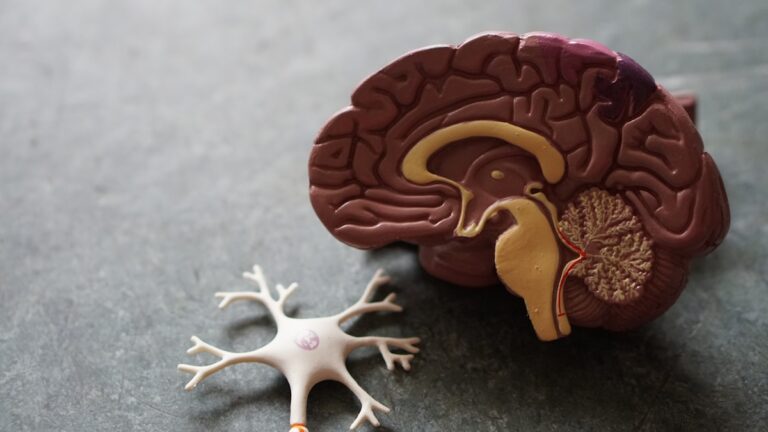
Listening to comedy can contribute to reducing dementia risk by stimulating the brain, improving mood, and promoting social engagement, all of which are factors linked to better cognitive health. Humor activates multiple brain regions involved in memory, attention, and executive function, potentially helping to maintain and even enhance neural connections that dementia threatens to weaken.
When you listen to comedy, your brain processes language, interprets social cues, and anticipates punchlines, which exercises cognitive functions like comprehension, memory recall, and problem-solving. This mental workout can help keep the brain agile. Moreover, laughter triggered by comedy releases endorphins and reduces stress hormones, which benefits brain health by lowering inflammation and improving blood flow. Chronic stress is known to negatively impact memory and cognitive function, so humor’s stress-relieving effects may indirectly protect against cognitive decline.
Social interaction is another important factor. Sharing comedy, whether by listening to a funny podcast, watching a stand-up show, or enjoying humorous conversations, encourages social bonding. Social engagement is strongly associated with a lower risk of dementia because it challenges the brain to navigate complex social dynamics and emotional responses. Comedy often serves as a bridge for connection, making it easier for people to interact and feel part of a community.
Additionally, the positive emotions elicited by comedy can enhance motivation to engage in other healthy behaviors, such as physical activity and mental exercises, which further support brain health. The enjoyment and relaxation from humor can improve sleep quality, another key element in maintaining cognitive function.
While comedy alone is not a guaranteed prevention method for dementia, it fits well within a holistic approach to brain health that includes physical exercise, a balanced diet, mental stimulation, and social interaction. Regularly incorporating humor and laughter into daily life can be a simple, enjoyable, and effective way to support cognitive resilience as we age.