Home → Guide → Does Honey Improve Cerebral Blood Flow
Does Honey Improve Cerebral Blood Flow
Understanding does honey improve cerebral blood flow requires examining multiple factors that influence outcomes and decisions. This comprehensive guide provides detailed information for caregivers and people interested in cognitive health, offering practical insights based on current data and expert analysis.
Whether you are new to this topic or looking to deepen your understanding, this article covers everything you need to know. We examine the key aspects, provide actionable recommendations, and answer the most common questions people have about this subject.
Table of Contents
- Overview and Key Points
- Detailed Analysis
- How to Apply This Information
- Important Considerations
- Expert Insights and Data
- Common Mistakes to Avoid
- Recommended Next Steps
- Frequently Asked Questions
Overview and Key Points
The topic of does honey improve cerebral blood flow encompasses several important dimensions that merit careful consideration. Based on current research and market analysis, there are specific factors that significantly influence outcomes in this area.
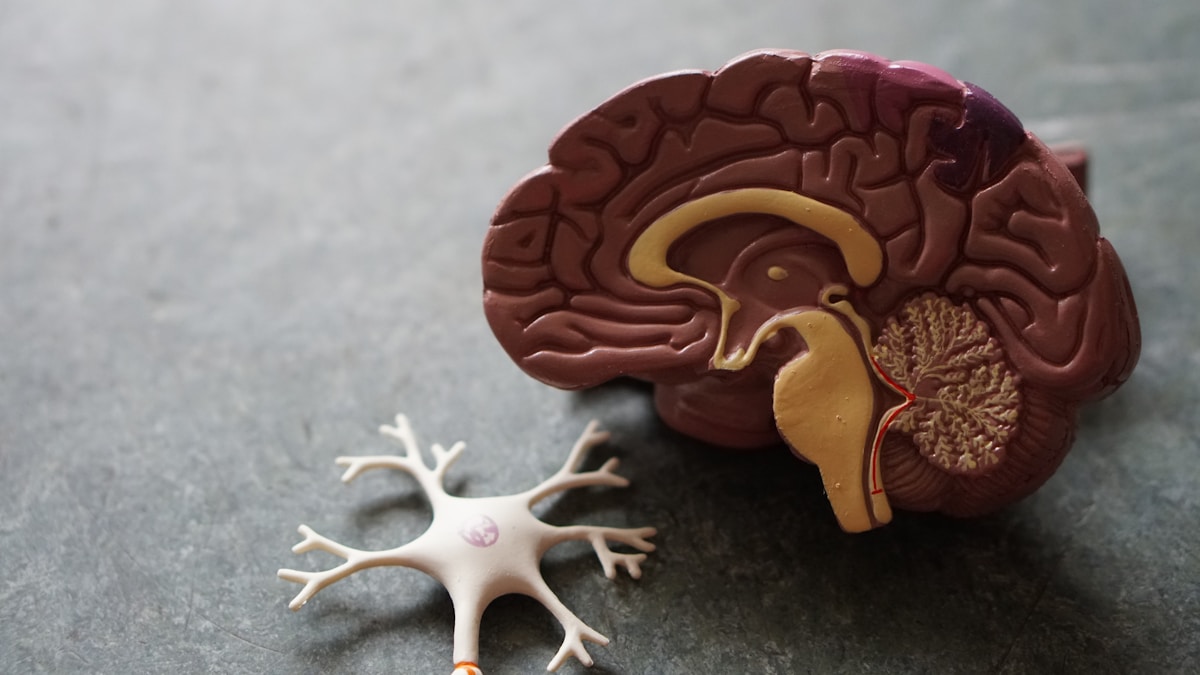
For caregivers and people interested in cognitive health, understanding these fundamentals provides a foundation for making informed decisions. The landscape has evolved considerably in recent years, with new developments creating both opportunities and challenges.
- Current Market Status: Active and evolving with significant interest from various stakeholders
- Key Trends: Shifting patterns indicate changing preferences and priorities
- Primary Factors: Multiple variables influence outcomes and should be evaluated carefully
- Time Considerations: Timing plays an important role in optimal decision-making
- Resource Requirements: Understanding necessary resources helps with planning and preparation
Detailed Analysis
A thorough examination of does honey improve cerebral blood flow reveals several layers of complexity that require careful analysis. The factors discussed below represent the most significant elements that influence this topic.
The data visualization above illustrates key trends and patterns that are relevant to this discussion. Understanding these patterns helps inform better decision-making and strategy development.

Primary Factors
Several primary factors drive outcomes in this area. These include market conditions, individual circumstances, timing considerations, and available resources. Each factor interacts with others, creating a complex landscape that requires holistic analysis.
- Market Conditions: External factors that influence availability, pricing, and opportunities
- Individual Circumstances: Personal factors that shape optimal approaches and decisions
- Timing: When actions are taken often affects outcomes significantly
- Resources: Available time, money, and expertise influence feasible options
Secondary Considerations
Beyond the primary factors, secondary considerations also merit attention. These include regulatory aspects, long-term implications, alternative approaches, and risk factors. Thoughtful analysis of these elements supports more comprehensive decision-making.
How to Apply This Information
Practical application of this knowledge requires a structured approach. The following steps provide a framework for caregivers and people interested in cognitive health to implement what they have learned effectively.

- Assess Your Situation: Begin by evaluating your current circumstances, needs, and goals
- Gather Information: Collect relevant data from reliable sources to inform your approach
- Develop a Strategy: Create a plan that accounts for the factors discussed in this guide
- Implement Thoughtfully: Execute your strategy while remaining adaptable to new information
- Monitor and Adjust: Regularly evaluate progress and make refinements as needed
Important Considerations
Several important considerations should inform your approach to this topic. These considerations help ensure that decisions are well-reasoned and account for relevant factors.
- Long-term Perspective: Consider how decisions today will affect outcomes over time
- Risk Assessment: Evaluate potential downsides and develop mitigation strategies
- Opportunity Cost: Consider what alternatives you might forego with each decision
- Expert Input: Seek professional guidance when dealing with complex situations
- Documentation: Keep records of decisions and their rationale for future reference
Expert Insights and Data
Expert analysis provides valuable perspective on this topic. Industry professionals and researchers have identified several key insights that inform best practices and optimal approaches.
Current data indicates that thoughtful, well-researched approaches tend to produce better outcomes than hasty decisions. Taking time to understand the full picture before acting typically yields superior results.
Common Mistakes to Avoid
Understanding common mistakes helps you avoid pitfalls that others have encountered. The following errors frequently undermine success in this area.
- Acting Without Research: Making decisions before gathering sufficient information
- Ignoring Professional Advice: Dismissing expert guidance that could prevent costly errors
- Short-term Thinking: Focusing only on immediate outcomes without considering long-term implications
- Overlooking Details: Missing important specifics that significantly affect outcomes
- Failing to Adapt: Sticking rigidly to plans when circumstances change
Recommended Next Steps
After reviewing this guide, consider taking the following concrete steps to advance your understanding and progress toward your goals.
- This Week: Review your current situation and identify immediate priorities
- This Month: Develop a detailed action plan based on the information in this guide
- Ongoing: Stay informed about developments in this area and adjust your approach accordingly
Final Thoughts
Understanding does honey improve cerebral blood flow requires attention to multiple factors and a willingness to engage with complexity. The information in this guide provides a foundation for caregivers and people interested in cognitive health to make informed decisions and pursue their goals effectively.
Success in this area comes from combining knowledge with thoughtful action. By applying the insights discussed here, you position yourself to achieve better outcomes and avoid common pitfalls that others encounter.
Frequently Asked Questions
What are the most important factors to consider?
The most important factors include your individual circumstances, timing considerations, available resources, and long-term goals. Each situation is unique, so prioritize factors based on your specific needs and constraints.
How can I get started with this information?
Begin by assessing your current situation and identifying your primary goals. Then, develop a structured approach based on the framework provided in this guide. Consider seeking professional guidance for complex decisions.
What mistakes should I avoid?
Common mistakes include acting without adequate research, ignoring expert advice, focusing only on short-term outcomes, overlooking important details, and failing to adapt when circumstances change. Being aware of these pitfalls helps you avoid them.
Where can I find more information?
Additional resources include industry publications, professional organizations, and qualified experts in this field. Staying informed about current developments helps you maintain an up-to-date understanding of this topic.
How often should I review my approach?
Regular review is important for maintaining alignment with your goals. Consider conducting a thorough review at least annually, with more frequent check-ins when circumstances change or new information becomes available.
You Might Also Like
Disclaimer: This article is for informational purposes only. Consult with qualified professionals before making important decisions based on this information.