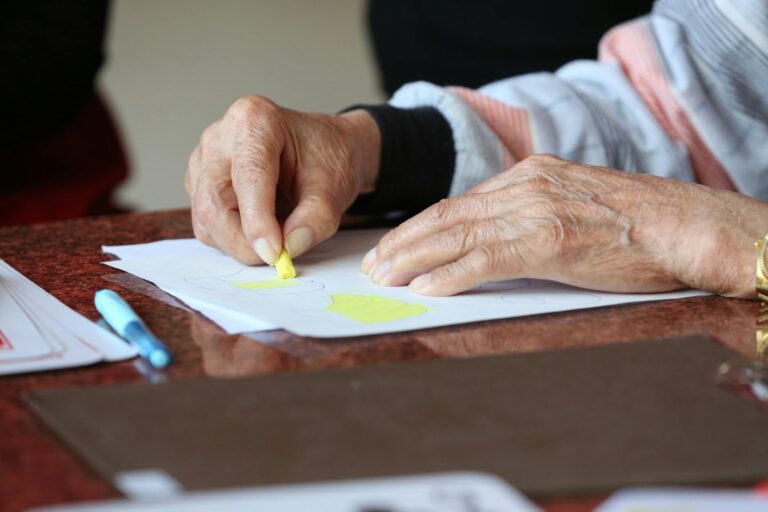
Dementia itself does not directly cause a complete inability to sense heat or cold, but it can significantly impair a person’s ability to perceive and respond appropriately to temperature changes. This impairment arises because dementia affects the brain regions responsible for processing sensory information and coordinating responses, which can lead to altered or diminished thermal sensation.
People living with dementia often experience disruptions in how their brains interpret sensory signals from the body, including those related to temperature. The brain’s ability to detect whether something is hot or cold depends on complex neural pathways that involve peripheral nerves sending signals through the spinal cord up to specific areas of the brain such as the somatosensory cortex. Dementia-related damage in these areas or in associated networks can blunt this perception. As a result, individuals may not recognize when they are too hot or too cold, which increases their risk of discomfort and injury like burns or hypothermia.
Moreover, dementia frequently impairs judgment and awareness. Even if some sensation remains intact, people with dementia might not understand what that sensation means for their safety or well-being. For example, they might feel warmth but fail to realize it indicates overheating and thus do not take steps like removing layers of clothing or seeking cooler environments.
This diminished thermal awareness is compounded by other factors common in dementia:
– **Communication difficulties:** People may be unable to express discomfort caused by extreme temperatures.
– **Cognitive decline:** Reduced executive function limits problem-solving abilities needed for self-care.
– **Physical frailty:** Older adults with dementia often have reduced mobility making it harder for them to adjust their environment (e.g., changing room temperature).
– **Impaired autonomic regulation:** Dementia can affect autonomic nervous system functions controlling sweating and blood flow—key mechanisms for maintaining body temperature balance.
Because of these vulnerabilities, caregivers must be vigilant about environmental conditions around people with dementia. Studies show that indoor temperatures influence sleep quality among those living with dementia; hotter bedrooms at night correlate with more disrupted sleep patterns and increased breathing rates while brighter daytime light improves sleep duration[1]. These findings highlight how sensitive this population is even to moderate changes in ambient conditions.
In addition, older adults generally have reduced thermoregulatory capacity due both to aging processes and chronic health issues common alongside dementia such as cardiovascular disease[4]. This further reduces sweating efficiency and skin blood flow necessary for heat dissipation while also diminishing thirst response—making dehydration during heat exposure more likely without obvious warning signs from feeling hot.
The combination of impaired sensing plus physiological vulnerability means people living with advanced stages of dementia are at heightened risk during extreme weather events like heatwaves or cold snaps unless carefully monitored[4]. They may fail entirely to seek shelter from uncomfortable temperatures because they do not perceive danger signals normally triggered by thermal receptors on skin surfaces.
Behavioral symptoms associated with dementia such as agitation (including sundowning syndrome) complicate care further since restlessness might increase energy expenditure raising body temperature unknowingly[2][5]. Conversely during colder times patients might become less active yet still unable cognitively recognize need for warmth leading again toward hypothermia risks if unattended.
In practical terms:
– Caregivers should maintain stable comfortable indoor temperatures tailored specifically considering seasonal variations.
– Regular checks on room climate combined with monitoring patient behavior help identify distress potentially linked indirectly back to poor thermal perception.
– Clothing choices should be adapted proactively rather than relying solely on patient feedback about comfort levels.
– Hydration status must be closely observed since thirst cues diminish alongside impaired thermal sensing.
While research continues into optimizing environments (like adjusting light exposure along daylight cycles) improving overall well-being including sleep quality among those affected by cognitive decline[1], direct restoration of lost sensory perception due specifically to neurodegeneration remains beyond current medical capabilities.
In summary — although *dementia does not outright erase* one’s ability *to sense* heat or cold completely at early stages — it progressively disrupts both detection *and interpretation* of these sensations through neurological damage combined with aging-related physiological decline. This create