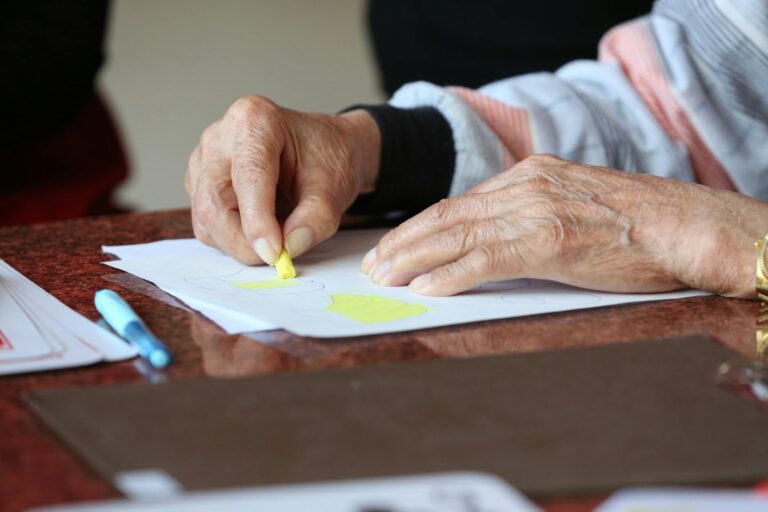
Dementia can indeed affect coordination in the hands, particularly as the disease progresses. Dementia is a broad term describing a decline in cognitive function severe enough to interfere with daily life, and it often involves impairments in memory, thinking, and motor skills. One of the less obvious but significant impacts of dementia is on fine motor skills and hand-eye coordination, which are essential for tasks like buttoning clothes, writing, or using utensils.
In the early stages of dementia, the primary symptoms usually involve memory loss and difficulties with complex thinking or planning. However, as the condition advances, the brain areas responsible for motor control and coordination can also be affected. This leads to problems with hand dexterity and coordination. Patients may find it increasingly difficult to perform tasks that require precise hand movements. For example, activities such as tying shoelaces, knitting, or even simple hand gestures can become challenging.
The decline in hand coordination is linked to the progressive damage dementia causes in the brain’s motor and sensory pathways. The disease can disrupt the communication between the brain and muscles, leading to slower, less accurate, or uncoordinated hand movements. This is often observed in Alzheimer’s disease, the most common form of dementia, where the degeneration of neurons affects not only memory but also motor functions.
Moreover, the loss of hand coordination in dementia is not just about muscle weakness or stiffness; it involves complex neurological changes. The brain’s ability to plan, initiate, and control movements deteriorates. This can manifest as tremors, clumsiness, or difficulty in manipulating objects. For example, a person with dementia might struggle to hold a pen steadily or to pick up small objects, which can severely limit their independence.
Non-pharmacological therapies, such as art therapy, have been explored to help maintain or improve hand function in people with dementia. Activities like drawing, coloring, or clay modeling engage both cognitive and motor skills, potentially stimulating brain plasticity and helping preserve hand coordination for longer. These therapies can also reduce anxiety and improve quality of life by providing meaningful engagement.
In addition to the direct effects of dementia on hand coordination, other factors can contribute. For instance, some individuals with dementia may develop tremors or other movement disorders that further impair hand function. Sensory changes, such as altered sensation or numbness, can also affect how well a person can control their hand movements.
Engaging in sensory and motor activities tailored to the individual’s abilities can be beneficial. Gentle hand massages, knot tying, knitting with larger needles, or playing simple games on tablets designed for seniors can help keep the hands active and maintain some level of coordination. These activities not only exercise the muscles but also stimulate the brain’s motor areas, potentially slowing the decline in hand function.
Overall, dementia’s impact on hand coordination is a significant aspect of the disease that affects daily living and independence. While memory loss is the hallmark symptom, the deterioration of fine motor skills and hand-eye coordination plays a crucial role in the challenges faced by individuals with dementia. Understanding this helps caregivers and healthcare providers develop better support strategies to maintain function and quality of life.