Crossword solving is often considered a beneficial activity for the brain, and many people wonder if it can actually protect against dementia. While crossword puzzles alone are not a guaranteed shield against dementia, engaging regularly in crossword solving and similar mentally stimulating activities can contribute positively to brain health and may help delay cognitive decline.
Crosswords challenge the brain by requiring language recall, vocabulary skills, and problem-solving abilities. These puzzles stimulate various cognitive functions, including memory, attention, and reasoning. When you work on a crossword, your brain actively searches for words, connects clues to knowledge, and exercises your mental flexibility. This kind of mental workout helps keep neural pathways active and engaged, which is important because the brain, like muscles, benefits from regular exercise.
One key aspect is that crossword puzzles help maintain and improve cognitive reserve. Cognitive reserve refers to the brain’s resilience to damage or decline. People with higher cognitive reserve can often cope better with brain changes related to aging or diseases like dementia. Regularly solving crosswords and other puzzles can contribute to building this reserve by continuously challenging the brain to learn, recall, and think critically.
In addition to the direct cognitive benefits, crossword puzzles can reduce stress and promote relaxation. Stress is known to negatively impact brain health, so activities that help manage stress indirectly support cognitive function. The calming, focused nature of crossword solving can create a positive mental state that benefits overall brain health.
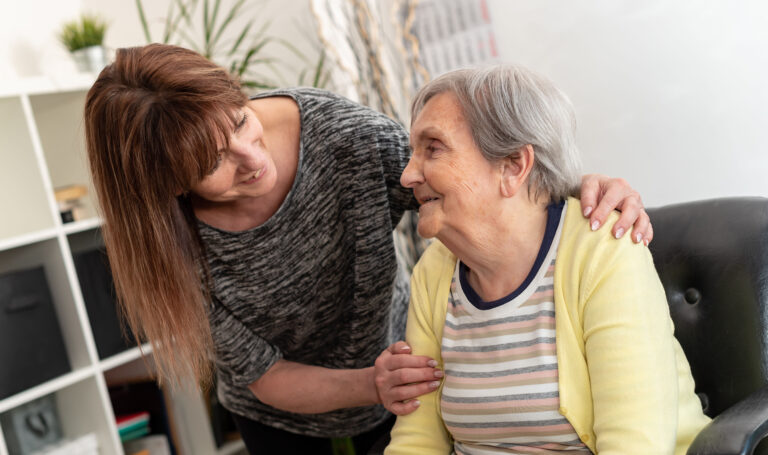
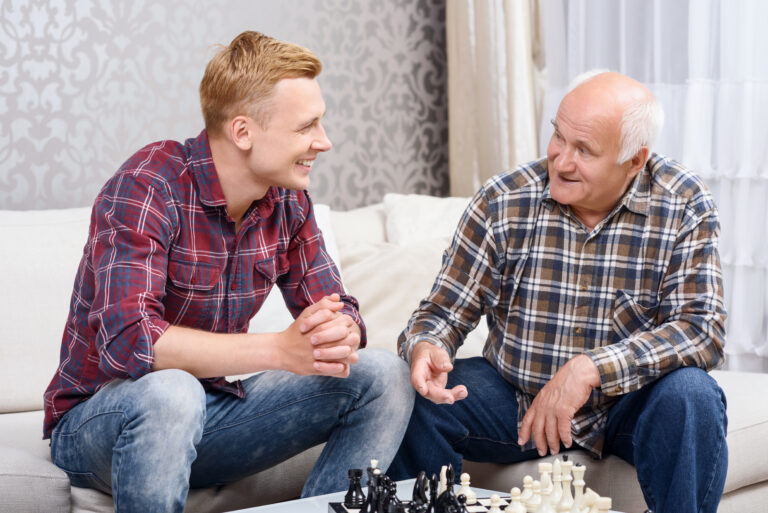
Crossword puzzles also encourage social interaction when done in groups or with family members. Social engagement is another important factor in protecting against cognitive decline. Conversations and shared activities stimulate the brain in ways that solitary tasks may not, providing emotional support and cognitive stimulation simultaneously.
It is important to note that crossword puzzles are just one part of a broader approach to brain health. Other activities like playing chess, Sudoku, trivia games, learning new skills, and maintaining an active social life also contribute significantly to cognitive well-being. A varied routine that includes different types of mental challenges is more effective than relying on a single activity.
Consistency is crucial. Regularly engaging in crossword puzzles over time is more beneficial than occasional or sporadic attempts. Gradually increasing the difficulty of puzzles as your skills improve can further enhance the cognitive challenge and benefits.
While crossword puzzles can help keep the mind sharp and may delay the onset of dementia symptoms, they are not a cure or a guaranteed prevention method. Dementia is a complex condition influenced by genetics, lifestyle, and overall health. Maintaining a healthy diet, exercising physically, managing cardiovascular health, and staying socially active are all important complementary strategies.
In summary, crossword solving supports brain health by exercising memory, language, and problem-solving skills, reducing stress, and encouraging social interaction. When combined with other healthy habits and mental activities, it can be a valuable part of a lifestyle aimed at protecting the brain from dementia and cognitive decline.