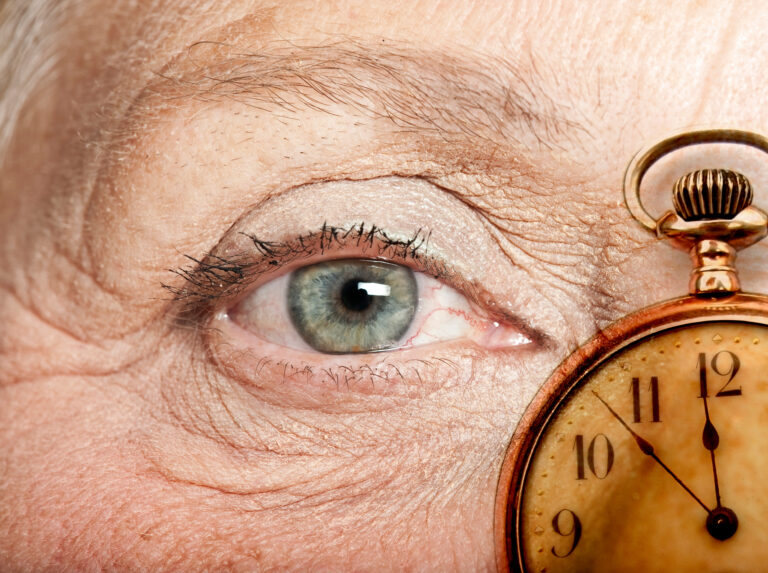
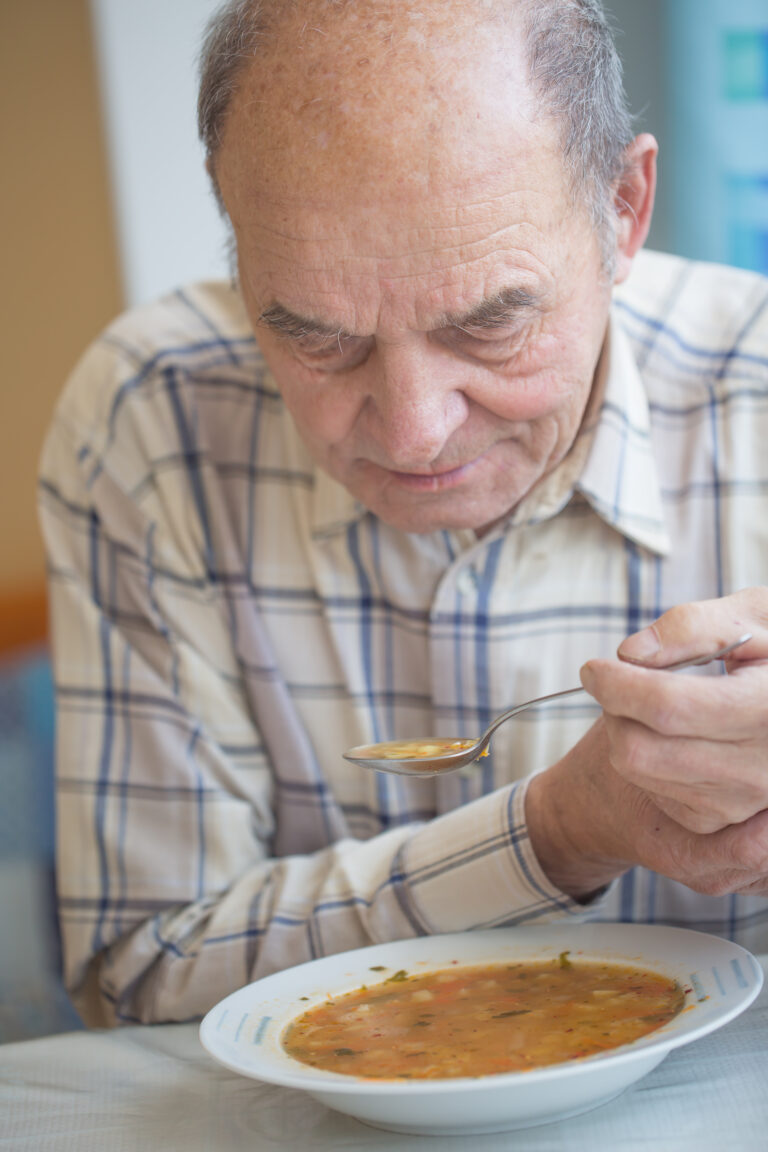
Age can influence vaccine effectiveness in seniors, primarily due to changes in the immune system that occur as people grow older. This phenomenon, known as immunosenescence, leads to a gradual weakening of the immune response, which can reduce how well vaccines work in older adults. However, vaccines still provide significant protection and are crucial for preventing severe illness in this population.
As people age, their immune systems undergo several changes. The production and function of immune cells, such as T cells and B cells, decline. This results in a less robust response to vaccines, which rely on the immune system’s ability to recognize and remember pathogens. For example, older adults often produce fewer antibodies and have less effective cellular immune responses after vaccination compared to younger individuals. This diminished response can mean that vaccines may not be as effective at preventing infection or may provide shorter duration of protection in seniors.
Despite this, many vaccines remain highly beneficial for older adults. Vaccination against diseases like influenza, COVID-19, respiratory syncytial virus (RSV), and pneumococcal infections significantly reduces the risk of severe disease, hospitalization, and death in seniors. For instance, RSV vaccination in older adults has been shown to provide strong protection and important public health benefits, even though older adults are more vulnerable due to declining lung function and chronic illnesses. Similarly, COVID-19 vaccines have been prioritized for seniors because they save the most lives and years of life, even if vaccine efficacy slightly declines with age.
The variability in vaccine effectiveness among seniors is influenced not only by immunosenescence but also by other factors such as chronic health conditions, prior immunity, and individual differences. Some older adults mount a robust antibody response to vaccines, while others show a diminished cellular immune response, which is critical for long-term immunity. This variability highlights the need for tailored vaccination strategies that may include booster doses or vaccines designed specifically to enhance immune responses in older populations.
Public health efforts also focus on increasing vaccine uptake among seniors, as willingness to receive vaccines can vary by age group within the senior population. For example, those aged 60 to 69 may be more willing to get vaccinated than those over 70, who might have more concerns about vaccine safety. Community promotion and education about vaccine benefits and safety are essential to improve vaccination rates in older adults.
In response to the challenges posed by immunosenescence, vaccine development is evolving. Newer vaccines and booster strategies aim to enhance both antibody production and T-cell activation to provide better protectio