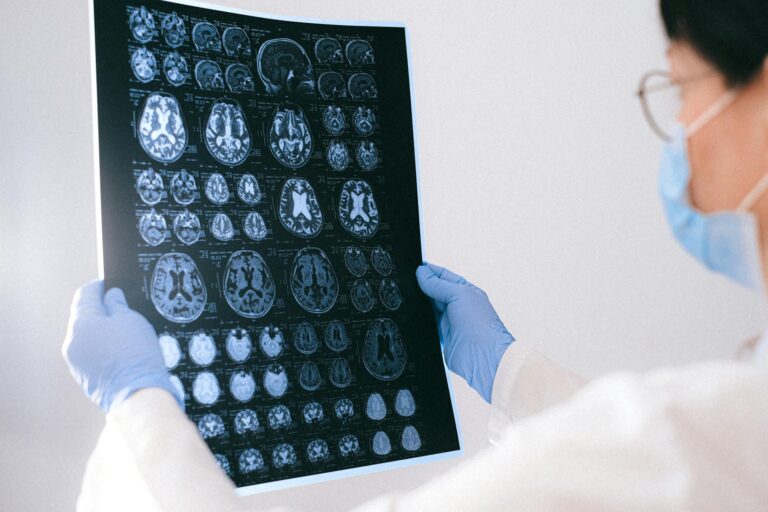
Cerebral palsy (CP) lawsuits frequently focus on **hypoxic brain injury**, particularly hypoxic-ischemic encephalopathy (HIE), as a central cause of the condition. Hypoxic brain injury occurs when the brain is deprived of adequate oxygen (hypoxia) and blood flow (ischemia), often during labor or delivery, leading to brain damage that can result in cerebral palsy. This connection is a key element in many birth injury malpractice claims because medical negligence or delayed intervention during childbirth can cause or worsen oxygen deprivation, directly contributing to CP[1][5].
**Understanding Hypoxic Brain Injury and Its Role in Cerebral Palsy**
Hypoxic-ischemic encephalopathy (HIE) is a type of brain injury caused by oxygen deprivation and limited blood flow to the infant’s brain around the time of birth. This injury can damage brain cells and disrupt normal brain development, often resulting in cerebral palsy, a group of permanent movement disorders caused by brain damage[5]. The severity of HIE and the timing of oxygen deprivation are critical factors influencing the extent of brain injury and subsequent disability.
Medical literature and authoritative sources such as the American Academy of Pediatrics and the National Institute of Neurological Disorders and Stroke recognize HIE as a leading cause of cerebral palsy. When oxygen deprivation is due to preventable causes like improper fetal monitoring, delayed cesarean section, or failure to respond to fetal distress, families may pursue legal action alleging medical malpractice[5].
**Why Do Cerebral Palsy Lawsuits Emphasize Hypoxic Brain Injury?**
1. **Clear Medical Link:** Hypoxic brain injury is one of the most well-documented causes of cerebral palsy. Establishing that a child’s CP resulted from oxygen deprivation during birth provides a concrete medical basis for a lawsuit[1][5].
2. **Preventability and Negligence:** Many cases of hypoxic brain injury are linked to failures in medical care, such as delayed emergency interventions, misinterpretation of fetal heart rate monitoring, or inadequate response to complications like umbilical cord problems or placental abruption. These failures can be grounds for malpractice claims[1][4].
3. **Significant Impact on Life:** Children with CP caused by hypoxic brain injury often require lifelong medical care, therapies, and adaptive equipment. Lawsuits seek compensation to cover these extensive needs, which can be substantial[2][3].
4. **Legal Precedents and Settlements:** Many high-value cerebral palsy settlements and verdicts involve cases where hypoxic brain injury was proven. For example, settlements have reached millions of dollars for children diagnosed with CP linked to HIE and oxygen deprivation during delivery[1][4][5].
**Typical Medical Scenarios Leading to Hypoxic Brain Injury in CP Lawsuits**
– **Fetal Distress and Delayed Delivery:** When fetal distress signals (such as abnormal heart rates) are ignored or mismanaged, oxygen supply to the baby can be compromised. Delays in performing a cesarean section or other interventions can cause hypoxic injury[1][4].
– **Umbilical Cord Complications:** Umbilical cord prolapse, compression, or strangulation can restrict oxygen flow. Failure to promptly recognize and treat these conditions can result in brain injury[1].
– **Placental Abruption or Insufficiency:** Premature separation or poor function of the pla