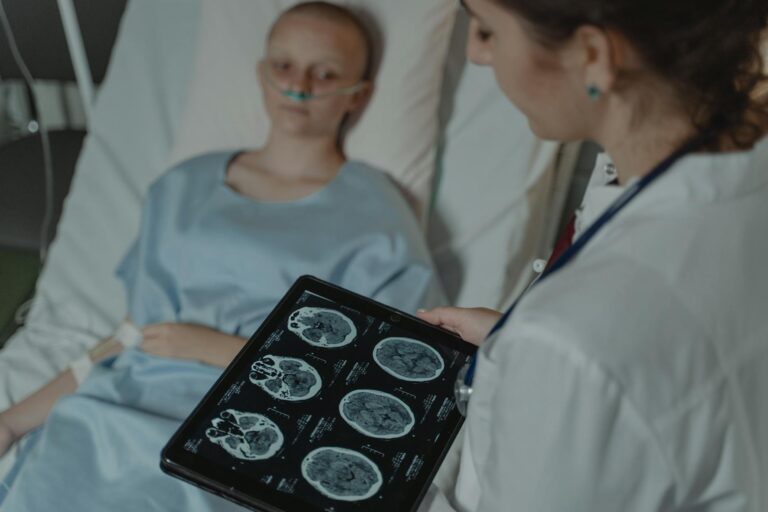
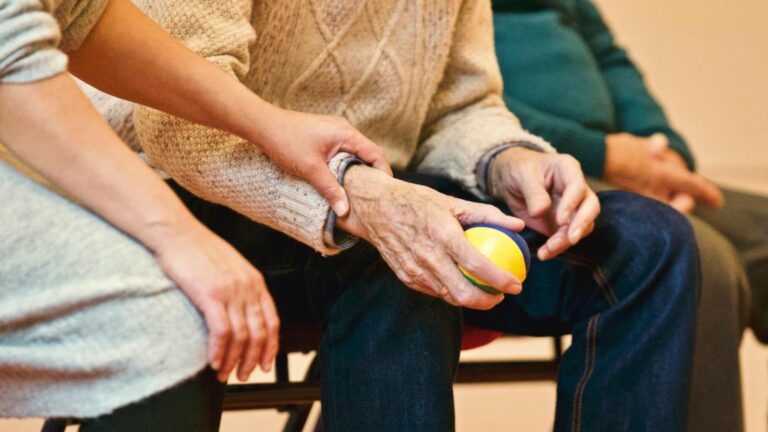
Cancer patients often benefit significantly from physical therapy after completing their treatment. Physical therapy plays a crucial role in helping survivors recover strength, mobility, and overall function that may have been compromised by surgery, chemotherapy, radiation, or other cancer treatments.
Cancer treatments can cause a variety of physical challenges. These include muscle weakness, fatigue, joint stiffness, nerve damage (such as chemotherapy-induced peripheral neuropathy), balance problems, and reduced range of motion. For example, chemotherapy can damage nerves leading to numbness or pain in the hands and feet that makes everyday tasks difficult. Surgery might limit movement around the treated area due to scar tissue or pain. Radiation can cause tissue tightness and swelling that restricts flexibility.
Physical therapy addresses these issues through carefully designed exercise programs tailored to each patient’s specific needs and limitations. These programs typically focus on:
– **Strength building:** Rebuilding muscle mass lost during treatment helps improve energy levels and makes daily activities easier.
– **Improving mobility:** Stretching and range-of-motion exercises reduce stiffness and restore normal joint function.
– **Balance training:** Exercises help counteract dizziness or instability caused by nerve damage or weakness.
– **Pain management:** Techniques such as manual therapy combined with movement help reduce discomfort.
– **Neuropathy symptom relief:** Targeted exercises may promote nerve health by improving blood flow and reducing inflammation.
Beyond physical improvements, engaging in physical therapy also supports mental well-being for cancer survivors. Exercise stimulates endorphin production which reduces anxiety and depression symptoms common after cancer diagnosis and treatment. It also improves sleep quality which is often disrupted during recovery.
Importantly, ongoing physical activity after cancer treatment has been linked with better long-term outcomes including lower risk of recurrence for some cancers like breast or colon cancer. Survivors who maintain regular exercise routines tend to experience less fatigue over time compared to those who remain inactive.
Physical therapists trained in oncology rehabilitation understand the complexities involved with post-cancer recovery—such as fluctuating energy levels—and design gentle yet effective regimens that respect individual limits while encouraging gradual progress. They provide education on safe movement patterns to avoid injury while rebuilding confidence in one’s body capabilities.
Many hospitals now offer specialized survivorship exercise programs combining clinical care with supportive community resources aimed at restoring both body function and quality of life after cancer treatment ends.
In essence: yes—physical therapy is often an essential part of healing for many people recovering from cancer treatments because it helps restore strength; manage side effects like neuropathy; improve balance; reduce pain; enhance mental health; support independence in daily living tasks; decrease risk factors related to recurrence; all contributing toward a better overall survivorship experience beyond just medical remission status alone.