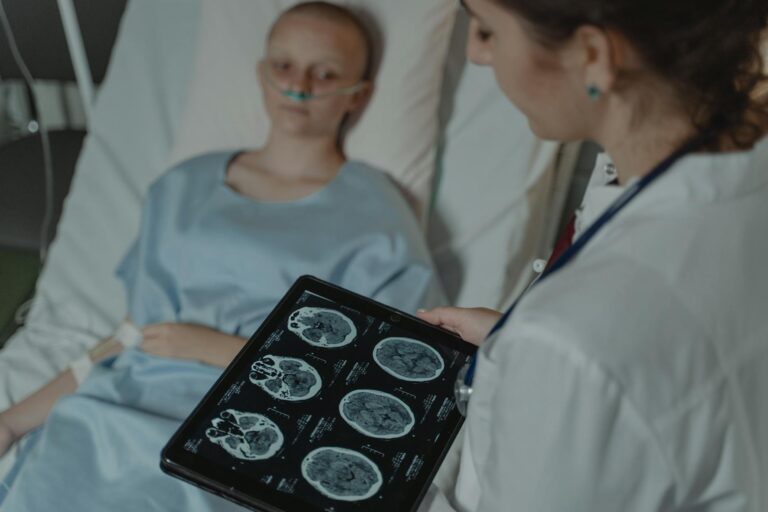
Cancer patients often face not only physical challenges but also significant emotional and psychological struggles during their treatment journey. Counseling can play a crucial role in supporting them through these difficulties, helping to improve their overall well-being and quality of life.
When someone is diagnosed with cancer, it can trigger a wide range of emotions such as fear, anxiety, sadness, anger, and uncertainty about the future. These feelings are natural but can become overwhelming without proper support. Counseling provides a safe space where patients can express these emotions openly and receive guidance on coping strategies tailored to their unique situation.
One important benefit of counseling during cancer treatment is the reduction of anxiety and depression symptoms that frequently accompany the diagnosis and therapy process. Cancer treatments like chemotherapy or radiation often weaken the immune system, making patients more vulnerable physically; this vulnerability can heighten emotional distress. Mental health counseling helps manage stress by teaching relaxation techniques, mindfulness practices, or cognitive-behavioral approaches that reduce negative thought patterns.
Moreover, counseling supports patients in maintaining motivation to adhere to demanding treatment regimens. A positive mindset fostered through therapeutic support encourages resilience — enabling individuals to face side effects or setbacks with greater strength rather than despair or withdrawal from care plans.
Practical aspects also make counseling essential: many cancer treatments require frequent hospital visits which may be exhausting physically and emotionally. Online therapy options have emerged as convenient alternatives allowing patients to access mental health services safely from home without exposure risks or travel burdens.
Counseling is not just for managing distress; it also empowers patients by improving communication skills so they can better discuss concerns with healthcare providers and family members. This empowerment leads to more informed decision-making about treatment options aligned with personal values.
In addition to individual benefits for the patient’s mental health, counseling often extends its positive impact on caregivers who experience high levels of stress themselves while supporting loved ones through illness. Including caregivers in supportive interventions reduces burnout among family members who play critical roles in ongoing care.
Therapeutic interventions may include various approaches such as:
– Mindfulness-based stress reduction programs that help regulate emotional responses.
– Guided imagery techniques that alleviate pain perception or nausea.
– Cognitive-behavioral therapy focusing on changing unhelpful thoughts related to illness.
– Support groups providing peer connection reducing feelings of isolation.
Physical rehabilitation therapies complement psychological support by addressing fatigue management and rebuilding strength lost during treatment—both vital for restoring independence in daily activities after intense medical procedures.
Ultimately cancer affects every aspect of life—physical health intertwined deeply with emotional resilience—and comprehensive care plans increasingly recognize this interplay by integrating mental health services into oncology care routines rather than treating them separately.
For many people facing cancer diagnoses today, having access to consistent counseling throughout their journey means gaining tools not only for survival but also for preserving dignity amid hardship — fostering hope even when confronted with uncertainty about outcomes.