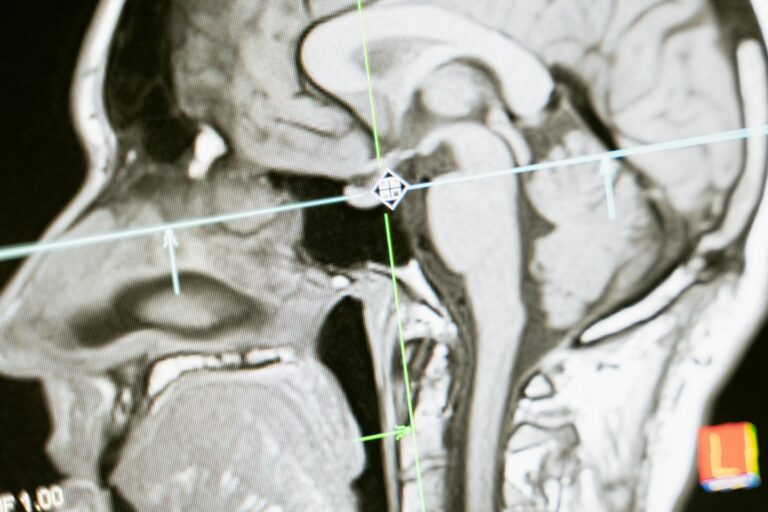
Discussing Dementia Risk with Family Members Openly
Talking about dementia can be challenging, especially when it involves family members. However, having open and honest conversations is crucial for understanding and managing the risks associated with this condition. Dementia affects millions worldwide, and its impact on families can be profound. Here’s how you can approach these discussions in a supportive and informative way.
### Understanding Dementia
Dementia is a term that describes a decline in cognitive function, including memory loss and difficulties with thinking and problem-solving. It’s not a normal part of aging, but rather a condition that can result from various factors, including Alzheimer’s disease, vascular changes, and other brain disorders. The risk of developing dementia increases with age, and certain lifestyle factors can influence this risk.
### Why Open Discussions Are Important
Open discussions about dementia can help family members understand what to expect and how to support each other. It’s essential to involve everyone in the conversation, as each person may have different concerns or questions. By talking openly, you can:
– **Reduce Fear and Misunderstanding**: Many people fear what they don’t understand. Open discussions can help clarify what dementia is and how it affects individuals.
– **Plan for the Future**: Understanding the risks and potential impacts of dementia can help families plan for future care needs and make informed decisions.
– **Build Support Networks**: Family members can offer emotional support and help each other cope with the challenges of caring for someone with dementia.
### How to Have These Conversations
1. **Choose the Right Time and Place**: Find a comfortable and private setting where everyone feels safe and supported.
2. **Be Honest and Clear**: Use simple language to explain what dementia is and how it might affect your family.
3. **Listen Actively**: Allow everyone to express their feelings and concerns without judgment.
4. **Focus on Prevention**: Discuss lifestyle changes that can help reduce the risk of dementia, such as regular exercise, a healthy diet, and managing chronic health conditions.
5. **Seek Professional Advice**: If needed, consult with healthcare professionals for guidance on managing dementia risks and caring for someone with the condition.
### Lifestyle Changes to Reduce Dementia Risk
While some risk factors for dementia cannot be changed, such as age and genetics, there are lifestyle adjustments that can help promote brain health:
– **Stay Physically Active**: Regular exercise can improve cognitive function and reduce dementia risk.
– **Eat a Balanced Diet**: Focus on foods that support heart health, as a healthy heart supports brain health.
– **Maintain Social Connections**: Social engagement can help build cognitive reserve and reduce feelings of loneliness.
– **Manage Chronic Conditions**: Conditions like diabetes, hypertension, and hearing loss should be managed effectively to reduce dementia risk.
### Conclusion
Discussing dementia openly with family members is a crucial step in understanding and managing its risks. By fostering a supportive environment and encouraging honest conversations, families can better prepare for the future and support each other through challenging times. Remember, while some factors cannot be changed, lifestyle adjustments can play a significant role in promoting overall brain health.